
The frankincense tree has captivated travelers, historians, and botanists for millennia, particularly in the region of Salalah in southern Oman, where it thrives in arid landscapes. Known for producing one of the world’s most treasured resins, the frankincense tree has shaped cultural trade routes, inspired religious ceremony, influenced community livelihoods, and become a symbol of heritage and biodiversity. The story of the frankincense tree in Salalah is not merely botanical; it is an epic narrative entwined with ancient civilizations, maritime commerce, ecology, and modern tourism.
Origins and Botanical Identity
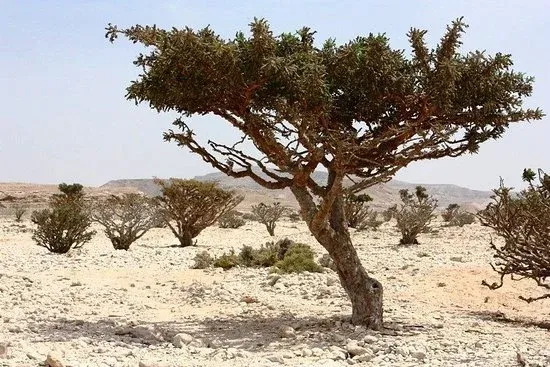
The frankincense tree refers to several species of the genus Boswellia, of which Boswellia sacra is most closely associated with the Arabian Peninsula. Indigenous to the dry, rocky foothills of Dhofar, the Boswellia sacra thrives in a landscape that few other trees can tolerate: heat‑baked escarpments, alkaline soils, and limited rainfall. Its resilience has allowed it to survive—and flourish—despite climatic challenges that stifle many plant species.
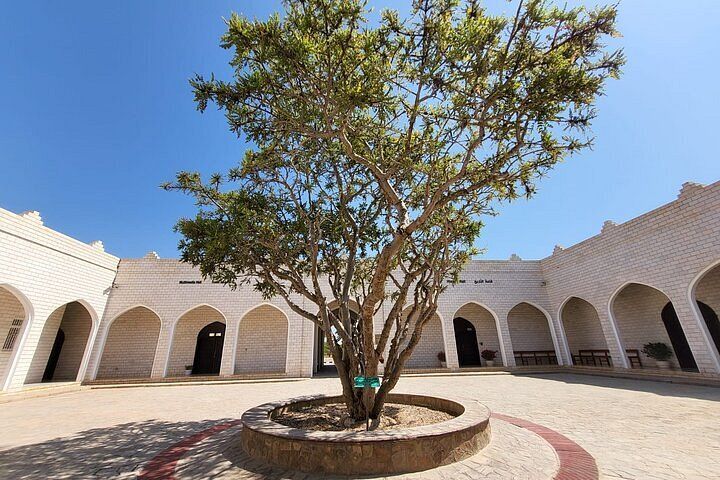
The frankincense tree is a small, gnarled tree with pale, peeling bark and a sparse canopy. While it rarely grows taller than six meters, its branches spread intricately, giving it a silhouette that is both delicate and determined. Its waxy leaves consist of tiny leaflets that conserve moisture—an adaptation vital to its survival in arid conditions.
When the bark is carefully scored, the tree exudes a milky sap that dries into resin droplets. These resin tears are the source of frankincense—once more valuable than gold—which has been harvested for thousands of years.
Historical Significance
Human interaction with the frankincense tree in Salalah dates back at least 5,000 years, as evidenced by archaeological findings and ancient texts. This resin was prized in ancient Egypt for religious rites and embalming. It became central to the incense offerings of temples and royal courts throughout the ancient world. The Greeks and Romans prized frankincense not only for its fragrance but for its medicinal and ceremonial properties.
Frankincense was a cornerstone of the ancient Arabian economy, and Salalah was a key node in a vast network of desert caravan routes that carried the resin northwards to Yemen, across the Red Sea to East Africa, and into the Mediterranean basin. Salt, spices, precious textiles, and incense were traded along the famed Incense Routes, facilitating cultural exchange and economic prosperity.
As maritime technology improved, frankincense shipments grew more extensive. Dhows laden with resins crossed the Indian Ocean to trade with ports in India and East Africa. The port of Qana, near modern‑day Salalah, became a major hub, drawing merchants from Persia, Egypt, and beyond.
Cultural Importance and Mythology
To the people of Dhofar, the Frankincense Coast holds deep cultural and spiritual meaning. In the ancient South Arabian scripts of the Ḥaḍramawt and Qataban, frankincense was often described as “tears of the gods”—a sacred substance that carried prayers to the heavens. Offerings of frankincense were made at shrines, and travelers gifted resin to local chieftains to ensure safe passage.
In later centuries, Islamic scholarship also referenced the use of frankincense for spiritual purification. Its scent was believed to cleanse spaces and elevate the soul, often used in mosques and during religious festivals.
Local folklore in Salalah incorporates the sacredness of the frankincense tree in tales passed down through generations. Some elders recount that the first frankincense trees were a divine gift, planted to bridge heaven and earth. Others tell of desert spirits that protected groves of trees from harm, rewarding respectful harvesters with bountiful resin.
Ecology and Environment
The frankincense tree’s success in Salalah is a testament to its evolutionary adaptation. Its roots penetrate deep crevices to access minimal groundwater, while its waxy leaflets reduce water loss. However, its dependence on specific ecological conditions makes it vulnerable to environmental change.
Salalah’s climate is unique among Arabian regions due to the annual Khareef season—a monsoonal influence that brings mist and drizzle from June to September. This seasonal moisture benefits the frankincense tree, allowing for a burst of green growth and supporting other plant species in the region. During Khareef, the otherwise dry terrain is transformed, and the groves of frankincense trees stand out amid a landscape brimming with life.
Despite these favorable bursts of rainfall, the frankincense tree still confronts threats. Over‑harvesting can weaken individual trees, and habitat loss from grazing or development reduces population density. Conservation initiatives today emphasize sustainable harvesting practices, ensuring that trees are not over‑tapped and that young saplings can grow to maturity.
Harvesting and Resin Production
Harvesting frankincense resin is an art passed down through generations of Dhofari harvesters. The process begins in late summer or early autumn when the tree’s sap flow is most active. Skilled workers make shallow incisions in the bark, and over the following days, the sap exudes and hardens into droplets known as “tears.”
These tears vary in color from pale yellow to deep amber, and their quality is judged by clarity, size, and fragrance. High‑quality resin commands higher value in global markets because it burns evenly and produces rich, complex aromas.
Traditionally, harvesters leave older incisions to heal before re‑scoring fresh areas of bark. This ensures that the tree is not overly stressed and can continue producing resin over many years. In recent decades, local cooperatives and agricultural ministries have introduced new techniques to balance tradition with sustainable yields.
After collection, the tears are sorted and graded. Resin may be sold raw, processed into essential oils, or incorporated into perfumes and incense products. Oman has also nurtured a niche export market for artisan frankincense products that appeal to global tourists and collectors.
Economic Impact
Frankincense has long been a source of livelihood for communities in Salalah. Historically, trade in frankincense enriched city‑states and tribal confederations across southern Arabia. Today, it remains economically relevant in several contexts:
-
Local trade and markets: Frankincense is sold in Souqs across Salalah, attracting locals and tourists alike. Its aesthetic and aromatic qualities make it a popular souvenir.
-
Export markets: Essential oils and processed resins are exported worldwide for use in perfumery, cosmetics, and aromatherapy.
-
Cultural tourism: The mystique and history of frankincense draw many cultural travelers. Museums, heritage sites, and festivals celebrate the legacy of Boswellia sacra.
Revenue generated from frankincense products supports families, cooperatives, and small businesses, strengthening local economic resilience.
Frankincense and Modern Science
Modern research has explored the possible medicinal properties of frankincense resin and its extracts. Scientific interest has focused on compounds such as boswellic acids, which have been studied for their anti‑inflammatory and therapeutic properties. While traditional medicine long attributed healing qualities to frankincense, contemporary studies aim to understand and validate these claims within evidence‑based frameworks.
Aromatherapists often use frankincense oil for relaxation and stress relief. Perfumers prize its deep, warm, and resinous bouquet, which blends well with other aromatic compounds.
Ongoing ecological research also seeks to understand the genetic diversity of frankincense trees, the impacts of climate change on resin production, and the best strategies for conservation.
Cultural Heritage and Festivals
Salalah honors its frankincense legacy through cultural initiatives and festivals that celebrate this valuable resource. Events may include demonstrations of traditional harvesting, educational workshops about sustainable practices, and cultural storytelling that connects visitors with ancient traditions.
Visitors may explore reconstructed sites of the ancient Incense Route or participate in guided tours through groves where the trees still grow wild. These experiences not only educate but also create emotional resonance between guests and the land.
Tourism and Visitor Experiences
For travelers to Salalah, the frankincense tree is more than a subject of study—it is a living connection to history. Tour operators offer specialized experiences that highlight the ecological and cultural importance of frankincense. These may include:
-
Guided hikes through frankincense groves during the Khareef season.
-
Visits to traditional harvesting sites, where visitors can observe how resin is collected and processed.
-
Workshops on making traditional incense or perfumed oils.
-
Visits to museums and heritage sites focused on the Incense Route’s history.
These activities enrich travel experiences and cultivate appreciation for both natural and cultural heritage.
In this context of tourism, the frankincense tree becomes a centerpiece—informing narratives, guiding excursions, and inspiring curiosity.
Mid‑Journey Reflection on the Frankincense Tree
The frankincense tree stands at the intersection of history, culture, ecology, economy, and identity in Salalah. Its resin once funded empires, lubricated ancient trade, and perfumed the temples of legendary civilizations. Today, it continues to shape local life and global admiration.
As both a symbol and a resource, the frankincense tree teaches resilience. Its ability to thrive in harsh environments speaks to adaptation. Its historical legacy speaks to the ingenuity of ancient peoples who recognized its value. And its continued relevance in tourism and science speaks to humanity’s enduring fascination with nature’s gifts.
Threats and Conservation
Despite its enduring legacy, the frankincense tree faces challenges:
-
Over‑tapping can weaken trees, reducing life span and resin quality.
-
Habitat fragmentation due to urban expansion and agriculture alters ecological balance.
-
Climate change may shift rainfall patterns or increase temperature extremes, affecting growth.
In response, conservation efforts have expanded. Local governments, NGOs, and community cooperatives promote sustainable harvesting methods, replanting programs, and public awareness initiatives. Protected areas have been established to safeguard large groves of trees, allowing ecosystems to thrive and regenerate.
Education plays a key role—local schools and visitor centers teach sustainable practices, emphasizing that preserving the frankincense tree ensures cultural heritage and economic opportunity for future generations.
Modern Heritage and Global Recognition
The frankincense tree and its landscape are increasingly recognized as part of humanity’s shared heritage. UNESCO’s recognition of frankincense trade routes and landscapes highlights their historical and cultural importance on a global scale.
This recognition elevates the profile of Salalah and the surrounding regions, integrating local stories into the broader narrative of human civilization and exchange.
Final Reflections
The frankincense tree in Salalah is more than a botanical specimen. It is a living relic of ancient marketplaces, spiritual traditions, and ecological endurance. It connects eras and cultures, from incense burners in pharaonic temples to contemporary perfumeries and cultural tourists.
Preservation of frankincense trees is not only about conserving a species—it is about sustaining a legacy that nourished human imagination and enterprise for thousands of years.
Through education, sustainable practice, and respectful tourism, communities safeguard both the tree and its stories for generations to come. In celebrating the frankincense tree, we celebrate unity between humans and the resilient tapestry of nature.
Conclusion
The legacy of the frankincense tree in Salalah stands as a tribute to human ingenuity, ecological resilience, and cultural richness. Its resin shaped economies, inspired rituals, and still draws admiration centuries after its rise to prominence. Today, it offers insight into sustainable coexistence between people and landscape. lets discover frankincense tree through our salalah activities.