
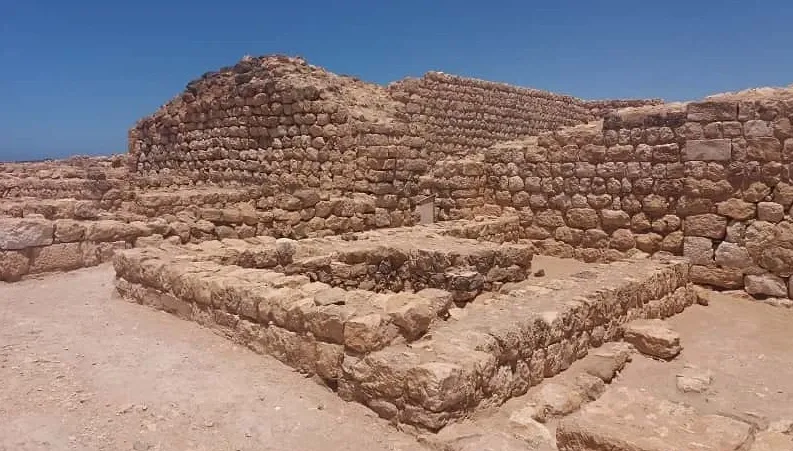
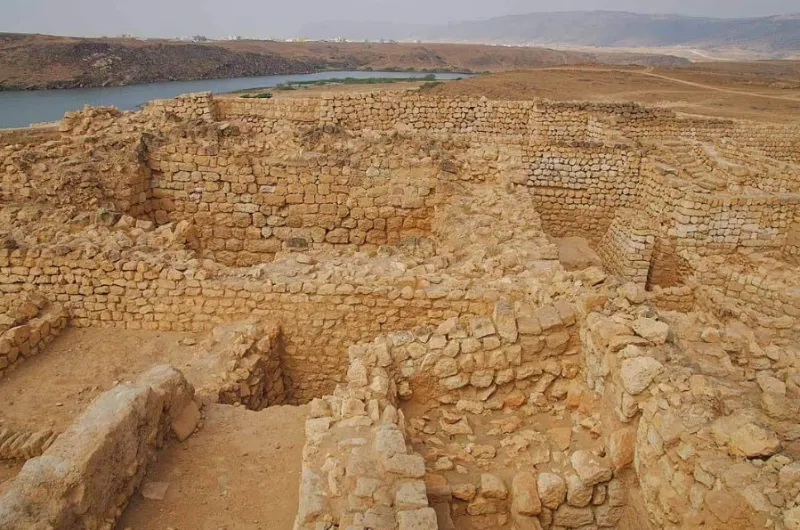
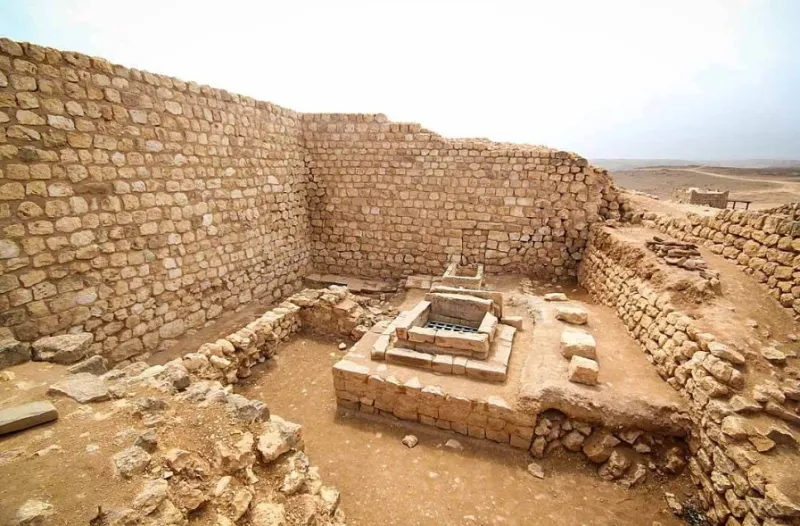
The Sumhuram, also known as Sumhuram Old City or Khor Rori, is one of the most important archaeological treasures in southern Oman. Located near the coastal city of Salalah, this ancient settlement once served as a thriving port and a major hub in the global frankincense trade.
Dating back more than 2,000 years, Sumhuram played a crucial role in connecting southern Arabia with powerful civilizations across the Mediterranean, Africa, and Asia. Today, the site stands as a well-preserved window into the past, offering visitors a unique opportunity to explore Oman’s rich history, culture, and trade legacy.
Historical Background
Sumhuram was founded around the 3rd century BCE and is believed to have been part of the Kingdom of Hadramawt. Its location along a natural lagoon made it an ideal harbor for ancient maritime trade.
The city quickly rose to prominence as a key export center for frankincense, one of the most valuable commodities of the ancient world. This aromatic resin was in high demand for religious rituals, perfumes, and medicinal uses.
Trade Connections
From Sumhuram, goods were transported to major civilizations, including:
- Ancient Egypt
- The Roman Empire
- Mesopotamia
- India
Ships carried goods across the Arabian Sea, while caravans moved inland through desert trade routes, making Sumhuram a vital link between sea and land commerce.
UNESCO World Heritage Significance
The site of Sumhuram is part of the Land of Frankincense, a collection of historically significant locations that highlight Oman’s central role in the ancient frankincense trade.
This recognition emphasizes:
- The global importance of the site
- Its contribution to ancient trade networks
- The need for preservation and cultural protection
Strategic Location
One of the main reasons for Sumhuram’s success was its strategic position at Khor Rori, a naturally protected lagoon.
Advantages of the Location
- Safe harbor for ships
- Direct access to inland caravan routes
- Close proximity to frankincense-producing regions
This combination made Sumhuram an essential connection point between maritime and overland trade.
Archaeological Discoveries
Excavations at Sumhuram have revealed detailed insights into the structure and life of the ancient city.
City Layout
The city was enclosed by strong defensive walls with controlled entry points. Inside, archaeologists uncovered:
- Residential buildings
- Storage facilities
- Administrative centers
- Religious structures
Artifacts and Inscriptions
Findings include:
- Inscriptions in ancient South Arabian script
- Pottery and everyday tools
- Imported goods from distant regions
These discoveries confirm Sumhuram’s role as a cosmopolitan trade center with international connections.
The Role in the Frankincense Trade
Sumhuram’s prosperity was largely driven by its involvement in the frankincense trade.
Importance of Frankincense
- Used in religious ceremonies worldwide
- Essential in perfumes and cosmetics
- Valued for its medicinal properties
Control over this valuable resource allowed Sumhuram to flourish economically and politically.
Decline of Sumhuram
Despite its early success, Sumhuram eventually declined and was abandoned.
Possible reasons include:
- Shifts in trade routes
- Environmental changes affecting the harbor
- Political and economic transformations
By the early centuries CE, the city had lost its significance and was gradually deserted.
Visiting Sumhuram Today
Today, Sumhuram is a well-maintained archaeological site open to visitors.
What Visitors Can Experience
- Ancient city walls and gates
- Foundations of buildings
- Archaeological remains
- Scenic views over Khor Rori lagoon
Informational signage helps visitors understand the historical importance of the site.
Natural Beauty of Khor Rori
The location of Sumhuram at Khor Rori enhances its appeal with stunning natural surroundings.
Highlights
- Calm lagoon waters
- Diverse birdlife
- Seasonal greenery during the Khareef season
This blend of history and nature makes the site especially unique.
Activities and Experiences
Visitors to Sumhuram can enjoy a variety of experiences:
Walking Tours
Explore the ruins and learn about the city’s history.
Photography
Capture scenic views of the lagoon and ancient structures.
Birdwatching
Observe local and migratory birds around the lagoon.
Cultural Exploration
Discover the history of trade and civilization in southern Oman.
Best Time to Visit
- June to September (Khareef Season): Lush landscapes and cooler temperatures
- October to April: Clear skies and ideal weather for exploration
- Morning or late afternoon: Best times to avoid heat
Travel Tips
- Wear comfortable walking shoes
- Bring water and sun protection
- Visit early to avoid crowds
- Combine with nearby attractions for a full-day trip
Why Visit Sumhuram?
The Sumhuram is one of Oman’s most important historical destinations. It offers a rare opportunity to explore an ancient port city that once connected civilizations across continents.
Whether you are passionate about history, archaeology, or travel, Sumhuram provides a meaningful and memorable experience.
Conclusion
The ancient city of Sumhuram stands as a powerful symbol of Oman’s role in global trade and cultural exchange. From its strategic harbor at Khor Rori to its well-preserved ruins, every part of the site tells a story of commerce, exploration, and human achievement.
Visiting Sumhuram is more than just exploring ruins—it is stepping into a chapter of history that shaped the ancient world.
Ready to explore Sumhuram Old City?
Visit our Oman Tour Packages today to book your customized tours and discover the rich heritage of Salalah with expert guides and unforgettable travel experiences.