
Wadi Dawkah is one of the most historically and culturally significant natural sites in southern Oman. Located north of Salalah in the Dhofar region, this remarkable valley is famous for its vast population of frankincense trees, which have played a central role in the history, economy, and culture of Oman for thousands of years.
Wadi Dawkah is part of the renowned Land of Frankincense, a UNESCO World Heritage Site that celebrates the ancient trade routes and cultural landscapes connected to the production of frankincense. The valley contains one of the largest natural populations of Boswellia sacra, the tree responsible for producing the aromatic resin known as frankincense.
For travelers exploring Salalah and the Dhofar region, Wadi Dawkah offers a unique opportunity to step into the history of one of the most valuable commodities of the ancient world. The landscape, dotted with hardy frankincense trees growing in a dry desert environment, provides a fascinating glimpse into the natural origins of this legendary incense.
Geographic Location
Wadi Dawkah lies approximately 40 kilometers north of Salalah, in a semi-arid valley that forms part of the Dhofar plateau.
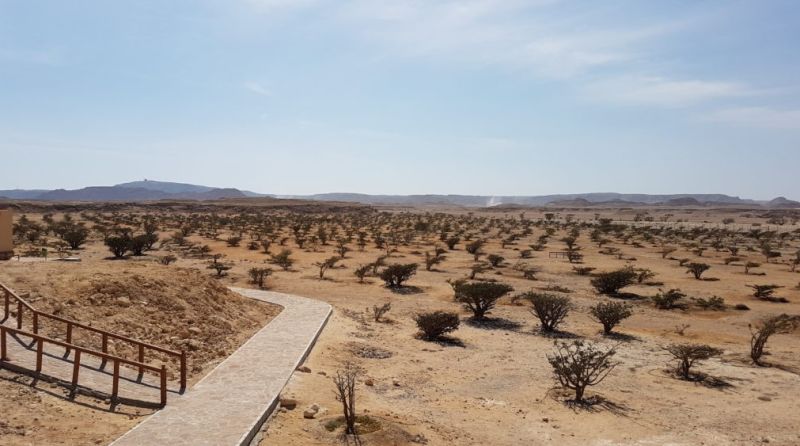
The area is characterized by rocky terrain, scattered shrubs, and sandy soil that provides the perfect conditions for frankincense trees to thrive. Despite the harsh environment, these trees have adapted remarkably well to the dry climate and limited rainfall.
The valley sits along historical caravan routes that once connected the frankincense-producing regions of Dhofar with major trading centers across Arabia and the Mediterranean world.
Today, visitors can easily reach Wadi Dawkah by road from Salalah, making it one of the most accessible heritage sites in southern Oman.
The Frankincense Tree
The most important feature of Wadi Dawkah is the Boswellia sacra, the tree responsible for producing frankincense resin.
These trees are uniquely adapted to arid environments and often grow on rocky hillsides or dry valleys where few other plants can survive.
Key characteristics of the frankincense tree include:
-
Small twisted branches
-
Peeling bark with pale coloration
-
Small green leaves
-
Fragrant resin that forms when the bark is cut
The trees in Wadi Dawkah grow naturally without intensive cultivation, which makes the valley an important example of a traditional frankincense landscape.
Frankincense: The Sacred Resin
Frankincense has been valued for thousands of years for its fragrance and spiritual significance. When the resin from the Boswellia sacra is dried, it produces aromatic crystals that release a distinctive scent when burned.
In ancient times, frankincense was used for:
-
Religious ceremonies
-
Perfumes and cosmetics
-
Medicinal treatments
-
Ritual offerings in temples
The resin was considered so valuable that it was sometimes worth more than gold in ancient markets.
Civilizations such as ancient Egypt, Greece, Rome, and India all used frankincense in their cultural and religious traditions.
The Ancient Frankincense Trade
The history of Wadi Dawkah is closely tied to the ancient frankincense trade that flourished for more than two thousand years.
Caravans transported frankincense from Dhofar across the Arabian Peninsula toward trading centers in the Levant and Mediterranean regions. These routes became known as the Frankincense Trail.
Cities such as Petra and Gaza became important distribution points where frankincense was traded and shipped to distant markets.
The prosperity generated by this trade helped establish southern Oman as one of the most important economic regions in the ancient world.
UNESCO World Heritage Status
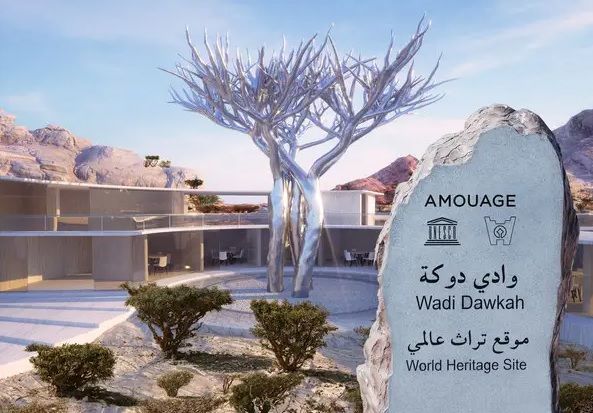
Because of its historical significance, Wadi Dawkah is included as part of the Land of Frankincense, which was inscribed on the UNESCO World Heritage List in 2000.
This heritage site includes several locations connected to the frankincense trade, including:
-
Wadi Dawkah (the frankincense tree reserve)
-
Ancient port settlements
-
Archaeological caravan sites
Together, these locations represent the cultural landscape that supported one of the most important trade networks in the ancient world.
The UNESCO designation helps protect the valley and its unique natural and historical features.
Landscape and Environment
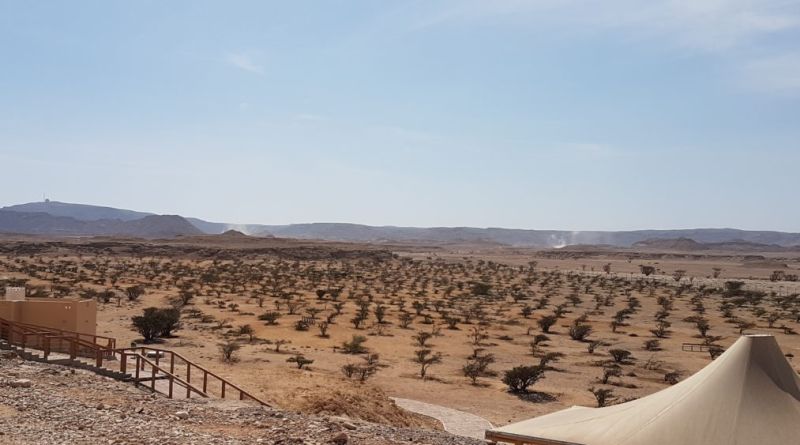
The landscape of Wadi Dawkah is characterized by open desert plains dotted with hundreds of frankincense trees.
Unlike cultivated forests, the trees grow naturally across the valley, creating a scattered pattern that reflects the ecological conditions required for their survival.
The soil in the valley is rocky and well-drained, allowing the trees to develop strong root systems that can access underground moisture.
Despite the harsh climate, the valley supports a variety of desert plants and small wildlife species.
Visiting Wadi Dawkah
Travelers visiting Salalah often include Wadi Dawkah in their itinerary to learn about the history of frankincense production.
The site features walking paths that allow visitors to explore the valley and observe the frankincense trees up close.
Informational displays explain the harvesting process and the importance of the resin in ancient trade.
Visitors can also see examples of how the bark of the trees is carefully cut to release the resin, which hardens into aromatic crystals.
The Frankincense Harvesting Process
Harvesting frankincense requires skill and patience. The process involves carefully cutting the bark of the Boswellia sacra to allow the resin to flow out.
This process typically involves several steps:
-
Small cuts are made in the tree bark.
-
The resin begins to ooze out from the wound.
-
The resin hardens into small droplets.
-
The hardened crystals are collected by hand.
Harvesters must allow time between cuts to ensure the tree remains healthy and continues producing resin.
This traditional method has been used in Oman for centuries.
Cultural Importance in Oman
Frankincense remains deeply connected to the cultural identity of Oman.
In many Omani homes, frankincense is burned to perfume rooms and welcome guests. The fragrance is also used during celebrations, religious ceremonies, and traditional gatherings.
The resin from Boswellia sacra is also used in perfumes, oils, and incense products sold throughout the region.
Visitors to Salalah often purchase frankincense as a souvenir to bring home a piece of Omani tradition.
Khareef Season and the Dhofar Landscape
The Dhofar region experiences a unique monsoon season known as Khareef, which occurs between June and September.
During this period, moisture from the Indian Ocean creates fog, mist, and light rain across the mountains near Salalah.
Although Wadi Dawkah itself remains relatively dry, the surrounding landscapes become greener and cooler, attracting tourists from across the Gulf region.
The Khareef season is one of the most popular times to visit Salalah and explore the historical sites connected to the frankincense trade.
Nearby Attractions
Visitors exploring Wadi Dawkah often combine their trip with visits to other famous destinations near Salalah.
One popular natural site is Wadi Darbat, known for its seasonal waterfalls and lush greenery during the Khareef season.
Another dramatic location is Jabal Samhan, which offers breathtaking mountain views and cliffs overlooking the Arabian Sea.
Travelers may also visit the impressive Tawi Atair Sinkhole, one of the largest sinkholes in the world.
Together, these sites showcase the incredible natural and historical diversity of the Dhofar region.
Best Time to Visit
The best time to visit Wadi Dawkah is between October and April, when temperatures are cooler and comfortable for outdoor exploration.
However, many travelers also visit during the Khareef season to experience the unique climate and green landscapes of southern Oman.
Morning and late afternoon are ideal times to explore the valley, as the lighting highlights the beauty of the trees and surrounding desert scenery.
Preservation and Sustainability
Protecting Wadi Dawkah is essential for preserving Oman’s cultural heritage and natural environment.
Conservation programs aim to protect the frankincense trees and promote sustainable harvesting practices.
Visitors are encouraged to respect the site by avoiding damage to the trees and following designated paths while exploring the valley.
Through responsible tourism and conservation efforts, Wadi Dawkah can continue to share its remarkable history with future generations.
Conclusion
Wadi Dawkah stands as one of the most important cultural landscapes in Oman. Home to hundreds of Boswellia sacra trees, the valley represents the natural origin of a substance that shaped trade, religion, and culture across the ancient world.
As part of the Land of Frankincense, Wadi Dawkah preserves a remarkable connection between nature, history, and human civilization.
For visitors traveling to Salalah, exploring this historic valley offers a rare opportunity to witness the living legacy of the ancient frankincense trade.
Planning a trip to Salalah Activities and the Dhofar region? Visit our website today to discover detailed Oman travel guides, exciting Oman tour packages, and expert tips to help you explore the Land of Frankincense and many other amazing destinations.