

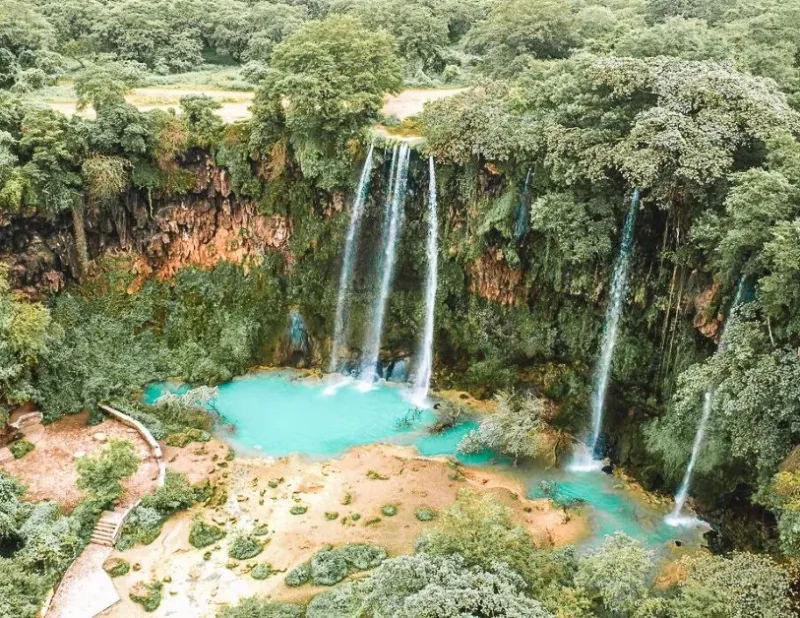
Tucked away in the lush landscapes of southern Oman lies one of the most enchanting natural wonders of the Arabian Peninsula: Wadi Darbat. Located near Salalah in the Dhofar region, this extraordinary valley transforms dramatically with the seasons, offering visitors a rare sight in the Gulf—flowing waterfalls, emerald greenery, misty hills, and serene lakes. For travelers seeking a blend of natural beauty, cultural depth, and outdoor adventure, Wadi Darbat stands as a destination that feels almost surreal.
Unlike the arid deserts commonly associated with the Middle East, Wadi Darbat reveals a softer, greener face of Oman. During the monsoon season known locally as Khareef, the valley comes alive with cascading water, grazing camels, and cool breezes. This transformation has made Wadi Darbat waterfalls Salalah one of the most photographed and beloved spots in the region.
This article serves as a comprehensive wiki-style guide to Wadi Darbat—covering its geography, climate, waterfalls, wildlife, cultural significance, activities, best visiting times, and why it deserves a place on every traveler’s bucket list.
Geographic Location and Natural Setting
Wadi Darbat is located approximately 40 kilometers northeast of Salalah, nestled within the Dhofar Mountains. The valley stretches across a wide area characterized by rolling hills, limestone cliffs, open grasslands, and seasonal water channels. Its proximity to the Arabian Sea plays a major role in shaping its climate and ecosystem.
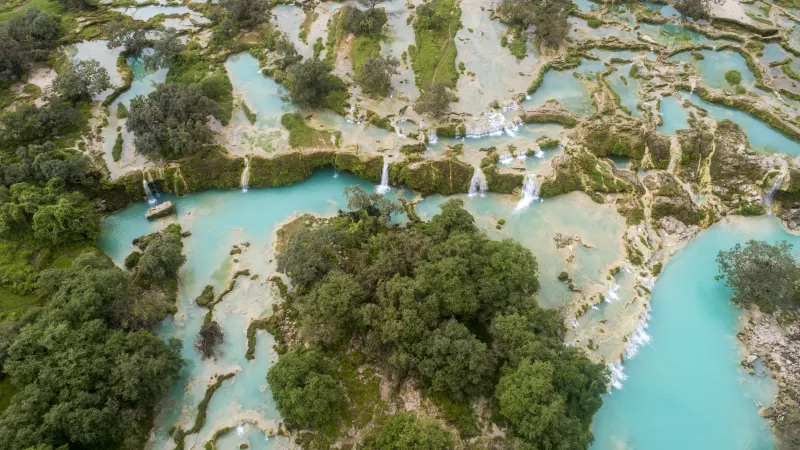
The wadi acts as a natural drainage basin, collecting rainwater during the Khareef season and channeling it through streams and waterfalls into large pools and lakes. These water bodies eventually feed into sinkholes and underground systems, making Wadi Darbat an essential part of the region’s natural water cycle.
What makes the location particularly unique is the contrast it offers: rugged mountains rise above soft green plains, while waterfalls tumble into calm waters below. This striking combination gives Wadi Darbat a landscape unlike anywhere else in Oman.
The Khareef Season and Climate Transformation
The defining feature of Wadi Darbat is its dramatic seasonal change, driven by the annual Khareef monsoon. From late June to early September, moisture-laden winds from the Indian Ocean blanket the Dhofar region in mist, rain, and cool temperatures.
During this time:
-
Hills turn vibrant green
-
Waterfalls begin to flow strongly
-
Lakes fill with fresh rainwater
-
Temperatures drop to a pleasant 20–25°C
Outside the Khareef season, Wadi Darbat takes on a quieter beauty. The waterfalls may slow or stop, but the valley remains peaceful and scenic, with clear skies and golden landscapes. Each season offers a different experience, making the area worth visiting year-round.
The Waterfalls of Wadi Darbat
The waterfalls are undoubtedly the crown jewel of the valley. Fed by seasonal rains, they cascade down rocky cliffs into expansive pools below. The sound of falling water echoes through the valley, creating a calming, almost meditative atmosphere.
Unlike single-drop waterfalls, Wadi Darbat features a series of cascades spread across the landscape. Some are gentle streams flowing over rocks, while others plunge dramatically from higher elevations. The largest waterfalls can reach impressive heights during peak monsoon months, drawing visitors from across Oman and beyond.
The sight of Wadi Darbat waterfalls Salalah during full flow is often compared to scenes from tropical destinations, making it one of the most unexpected natural attractions in the Middle East.
Lakes, Streams, and Boat Rides
As water accumulates at the base of the waterfalls, it forms large natural lakes that stretch across the valley floor. These calm bodies of water reflect the surrounding greenery and cliffs, creating picture-perfect views.
Visitors can enjoy:
-
Pedal boat rides
-
Kayaking during high water levels
-
Relaxing by the lakeshore
-
Watching birds and wildlife
The lakes are particularly popular with families and photographers, offering a tranquil alternative to hiking or off-road exploration.
Flora and Fauna
Wadi Darbat is a biodiversity hotspot in Oman, especially during and after the Khareef season. The valley supports a wide range of plant and animal life rarely seen elsewhere in the country.
Plant Life
-
Wild grasses and flowering plants
-
Frankincense trees in surrounding areas
-
Acacia and fig trees
-
Mosses and ferns during monsoon months
Animal Life
-
Camels grazing freely
-
Cattle and goats belonging to local herders
-
Foxes and small mammals
-
Migratory and resident bird species
Birdwatchers are particularly drawn to Wadi Darbat, as the valley becomes a temporary home for species migrating between Africa and Asia.
Cultural and Historical Significance
Beyond its natural beauty, Wadi Darbat holds cultural importance for the people of Dhofar. Historically, the valley served as a seasonal grazing ground and a vital water source for nearby communities.
Local folklore often references the valley as a symbol of life, abundance, and renewal. Even today, families visit Wadi Darbat during weekends and holidays to picnic, socialize, and reconnect with nature—a tradition passed down through generations.
The area also reflects Oman’s deep respect for preserving natural landscapes while allowing responsible tourism, ensuring that Wadi Darbat remains protected for future generations.
Activities and Experiences
Wadi Darbat offers a wide range of activities suitable for different types of travelers:
Nature Walks and Hiking
Gentle trails wind through the valley, offering scenic views without requiring advanced hiking skills. More adventurous visitors can explore higher elevations for panoramic perspectives.
Photography
From misty mornings to golden sunsets, the valley provides endless photo opportunities, especially during the monsoon season.
Picnicking and Relaxation
Designated areas allow families and groups to enjoy meals surrounded by nature.
Off-Road Exploration
The rugged terrain surrounding the valley makes it ideal for 4x4 adventures and mountain safaris.
Wildlife Observation
Quiet moments near the lakes often reward visitors with sightings of birds and grazing animals.
Best Time to Visit
The ideal time to experience Wadi Darbat depends on what you want to see:
-
July to September: Best for waterfalls, greenery, and cool weather
-
October to March: Clear skies, mild temperatures, quieter atmosphere
-
April to June: Transition period with warmer weather and fewer crowds
For those dreaming of flowing waterfalls and lush landscapes, Wadi Darbat waterfalls Salalah during Khareef is unmatched.
Accessibility and Visitor Facilities
Wadi Darbat is easily accessible by paved roads from Salalah, making it suitable for both private cars and guided tours. Parking areas, rest spots, and basic facilities are available, especially during peak tourist seasons.
Local vendors often sell snacks, drinks, and traditional items nearby, adding to the authentic experience.

Responsible Tourism and Preservation
As tourism grows, preserving Wadi Darbat’s fragile ecosystem is crucial. Visitors are encouraged to:
-
Avoid littering
-
Stay on designated paths
-
Respect wildlife
-
Follow local guidelines
Sustainable tourism ensures that the valley remains pristine and welcoming for years to come.
Why Wadi Darbat Is a Must-Visit Destination
Wadi Darbat is more than just a scenic stop—it’s a living, breathing landscape that showcases the natural diversity of Oman. Its waterfalls, lakes, wildlife, and cultural roots combine to create an experience that feels both grounding and inspiring.
Few places offer such a dramatic transformation within a single year, making each visit unique. Whether you’re an adventurer, nature lover, photographer, or family traveler, Wadi Darbat delivers something unforgettable.
Your Adventure Awaits
Nature is calling, and Wadi Darbat is ready to amaze you.
Let’s discover Wadi Darbat through our Wadi Darbat Mountain Safari Adventure—an unforgettable journey through waterfalls, green valleys, and breathtaking mountain views. Don’t just visit Salalah—experience it in its wildest, most beautiful form. Book your adventure today and create memories that flow as endlessly as the valley’s waterfalls.