
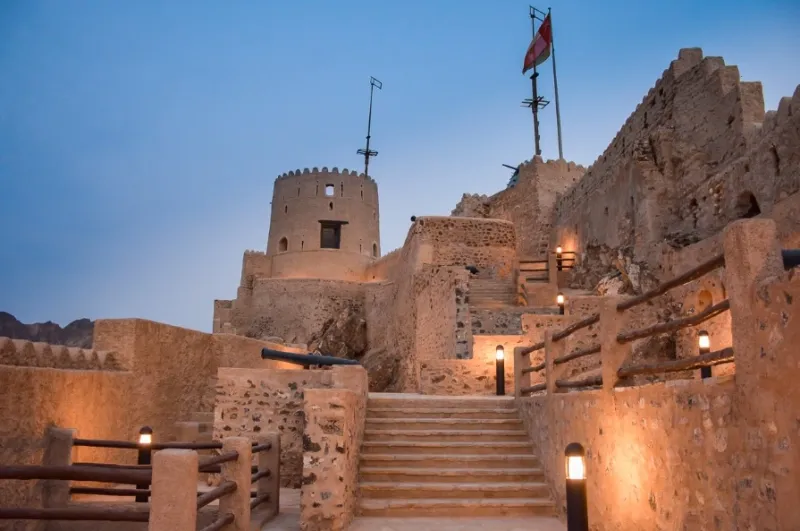
Castles and Forts in Oman: Exploring Oman’s Historic Fortresses
Oman is a country where history and tradition come alive through its magnificent castles and forts. With over 500 forts scattered across the country, Oman is often described as a living museum of ancient military architecture. These structures, built from mud bricks, stones, and wood, reflect Oman’s strategic importance in the Arabian Peninsula and its rich cultural heritage.
Visiting Oman forts offers travelers a glimpse into the past, showcasing the country’s defensive strategies, architecture, and the life of its rulers. From imposing hilltop fortresses to coastal castles guarding trade routes, Oman’s castles are both historical landmarks and breathtaking scenic viewpoints.
The Importance of Castles and Forts in Oman
Oman’s forts and castles were built primarily for defense and protection against invaders, pirates, and rival tribes. They served as administrative centers, royal residences, and military outposts. Their construction highlights Oman’s historical emphasis on security, governance, and trade protection.
Many forts were strategically placed to control key routes, oversee fertile valleys, or protect coastal towns. Their design reflects a blend of functional architecture and cultural artistry, with towers, battlements, watchtowers, and intricately carved doors.
Today, these historic sites are preserved as symbols of Oman’s national heritage and attract history enthusiasts, photographers, and travelers seeking authentic cultural experiences.
Top Castles and Forts to Visit in Oman
1. Nizwa Fort
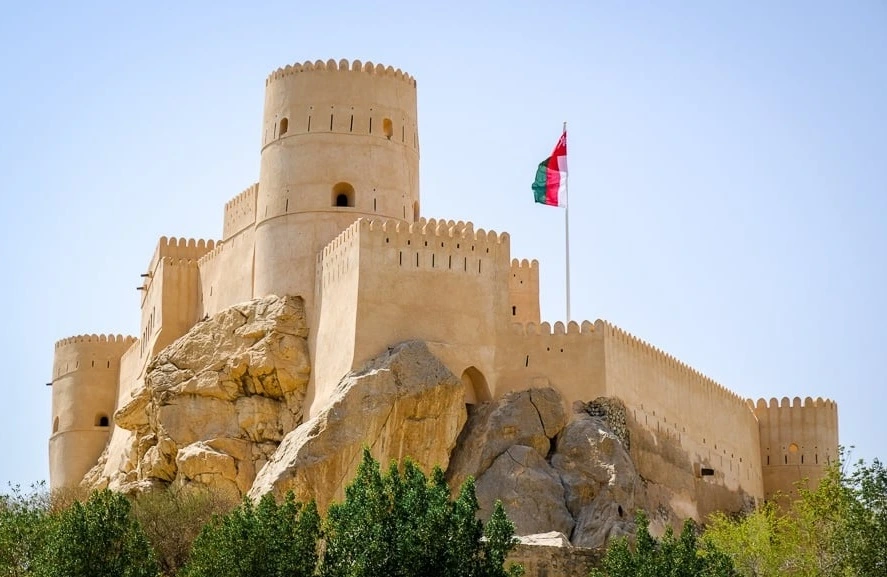
One of the most famous Oman forts, Nizwa Fort is a 17th-century structure and a prime example of Omani architecture. Its massive circular tower, thick walls, and strategically placed battlements made it nearly impenetrable. Visitors can climb the tower to enjoy panoramic views of Nizwa city and the surrounding mountains. The nearby Nizwa Souq adds cultural depth, offering traditional crafts, spices, and silver jewelry.
2. Bahla Fort
Bahla Fort is a UNESCO World Heritage Site and one of the oldest forts in Oman. Built with mud bricks and surrounded by an extensive wall, it reflects Omani defensive architecture. The fort was historically linked to the ruling Banu Nebhan tribe and is a testament to the country’s medieval history. Its intricate design, watchtowers, and surrounding oasis make it a must-visit Oman fort.
3. Jabrin Castle
Jabrin Castle, also known as Jabreen, is an architectural masterpiece from the 17th century. Unlike many defensive forts, it was primarily a residential palace, showcasing luxurious living quarters, ornate ceilings, and beautifully painted rooms. Jabrin Castle is also known for its library, reflecting Oman’s emphasis on education and culture during its era.
4. Rustaq Fort
Located at the foot of the Al Hajar Mountains, Rustaq Fort is one of Oman’s oldest and largest forts. It features multiple towers, rooms, and a natural hot spring nearby. The fort is historically significant for protecting the surrounding region and hosting important tribal and governmental events. Rustaq Fort is a perfect destination for those exploring Oman forts off the beaten path.
5. Sur and Al Ayjah Forts
The coastal city of Sur is home to several historic forts built to protect maritime trade routes. Al Ayjah Fort is notable for its location overlooking the harbor, providing protection from pirate attacks and foreign invasions. These forts also highlight Oman’s seafaring heritage and the strategic importance of coastal defense.
6. Sohar Fort
Sohar Fort is linked to the legendary birthplace of Sinbad the Sailor and the city’s history as a major trading hub. The fort has been restored to showcase the traditional Omani fortification style. Inside, visitors can explore restored rooms, towers, and exhibitions detailing the city’s maritime history.
Architectural Features of Omani Forts
Oman’s forts share common architectural characteristics that reflect their purpose:
-
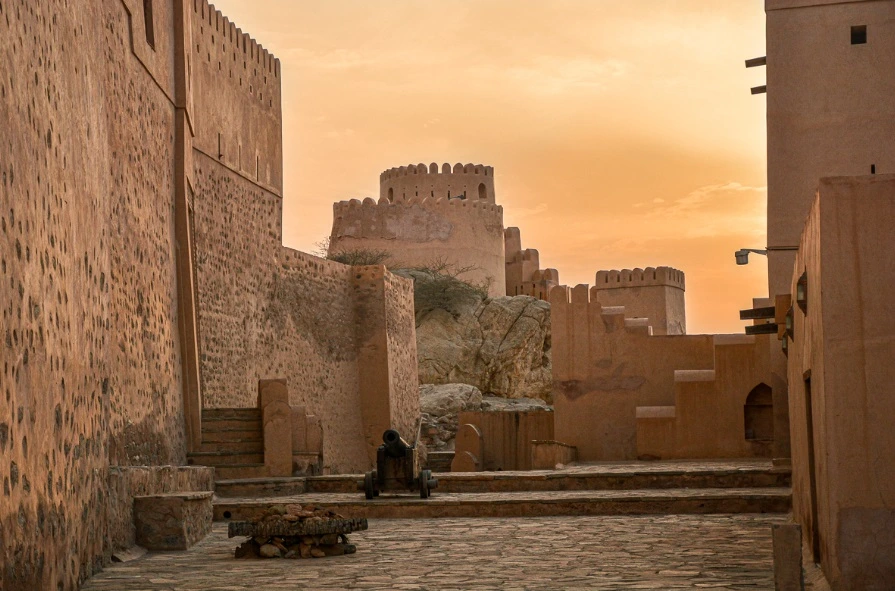
Thick Walls: Constructed from stone and mud, designed to withstand attacks.
-
Watchtowers: Strategically placed for surveillance and signaling.
-
Battlements: Defensive parapets for archers and guards.
-
Internal Courtyards: Open spaces for gatherings and military drills.
-
Ornate Doors and Ceilings: Decorative artistry reflecting Omani culture.
Many forts are built on hilltops or mountain edges, offering panoramic views and natural defense advantages. These design features make Oman’s castles both functional and visually impressive.
Experiencing Forts and Castles in Oman
Visiting Oman forts is more than a sightseeing experience. Travelers can:
-
Walk through ancient corridors and climb towers.
-
Capture panoramic photos of mountains, valleys, and deserts.
-
Learn about Oman’s tribal and military history through museum exhibits.
-
Experience traditional culture and architecture firsthand.
Some forts also host cultural festivals and reenactments, offering a dynamic way to connect with Omani heritage.
Top Activities Around Oman Forts
-
Photography: The combination of fort architecture, desert landscapes, and mountains creates perfect photo opportunities.
-
Cultural Tours: Guided tours provide insights into historical events, rulers, and local traditions.
-
Hiking: Many hilltop forts offer trails leading to scenic viewpoints.
-
Souq Visits: Nearby markets offer souvenirs, local crafts, and traditional Omani products.
Why Oman’s Forts Are Unique
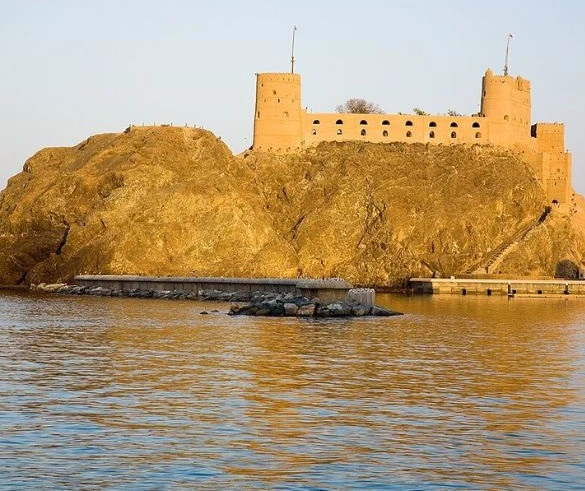
Unlike many Middle Eastern countries, Oman’s forts are exceptionally well-preserved and accessible. Visitors can explore interiors, climb towers, and experience authentic architecture rather than just viewing ruins. Many forts also blend seamlessly with their natural surroundings, creating stunning photographic and cultural experiences.
Planning Your Forts Tour in Oman
To make the most of Oman forts:
-
Allocate 1–2 days in Nizwa and Bahla.
-
Combine coastal forts like Al Ayjah with nearby beaches and seafood experiences.
-
Visit Jabrin for architectural and cultural insights.
-
Include Rustaq for mountain scenery and natural hot springs.
Guided tours are recommended for detailed historical understanding.
Travel Tips for Visiting Omani Castles and Forts
-
Wear comfortable walking shoes for climbing towers and exploring courtyards.
-
Bring water and sun protection, as many forts are outdoors.
-
Respect cultural norms; some areas may have restricted access.
-
Check opening hours in advance, especially for smaller or remote forts.
The Cultural Significance of Forts in Oman
Oman’s forts are more than historical structures—they are symbols of national pride and cultural heritage. They tell the story of Oman’s resilience, strategic vision, and rich tribal history. Preserving these sites is essential for future generations and helps travelers connect deeply with Omani traditions.
Conclusion: Discover Oman’s Castles and Forts
Exploring castles and forts in Oman is a journey through history, architecture, and breathtaking landscapes. From the towering Nizwa Fort and lush Jabrin Castle to the coastal defenses of Sur and Rustaq, Oman offers a unique window into Arabian heritage.
Whether you are a history enthusiast, an architecture lover, or a photography fan, Oman’s forts provide unforgettable experiences. These ancient fortresses, combined with the country’s natural beauty and warm hospitality, make Oman a must-visit destination.
Ready to explore Oman’s castles and forts? Visit Oman Tour Packages to plan your personalized Oman heritage tour and experience these iconic forts with expert local guidance. Discover history, culture, and adventure in every fortress