
Is Morocco Safe to Visit? Everything You Need to Know Before You Travel
My Experience Traveling in Morocco
"Before booking my trip, the first question I searched online was, 'Is Morocco safe to visit?' Like many travelers, I had read different opinions and wasn't sure what to expect. After spending nearly two weeks exploring Marrakech, Chefchaouen, Fes, Casablanca, and the Sahara Desert, I quickly realized that Morocco was far more welcoming than I had imagined. Friendly locals helped with directions, bustling markets were full of life, and every destination felt unique. By following simple travel precautions, I enjoyed one of the most memorable journeys I've ever experienced."
If you're wondering "Is Morocco safe to visit?", the short answer is yes. Morocco is one of the most popular tourist destinations in North Africa and welcomes millions of international visitors every year. From vibrant imperial cities and peaceful mountain villages to the breathtaking Sahara Desert and Atlantic coastline, Morocco offers unforgettable experiences for travelers from around the world.
Like any destination, staying aware of your surroundings, respecting local customs, and using common sense will help ensure a safe and enjoyable trip.
Is Morocco Safe to Visit?
Morocco is generally considered a safe destination for tourists. The country has a well-developed tourism industry, modern transportation, quality hotels, and experienced tour operators.
Popular destinations such as:
- Marrakech
- Casablanca
- Fes
- Rabat
- Chefchaouen
- Essaouira
- Tangier
- Merzouga
welcome visitors throughout the year.
Most trips to Morocco are completed without any serious problems, especially when travelers follow basic safety precautions.
Quick Facts
Location
Northwest Africa
Bordered by the Atlantic Ocean, Mediterranean Sea, Algeria, and Western Sahara.
Capital
Rabat
Currency
Moroccan Dirham (MAD)
Best Time to Visit
- Spring (March–May)
- Autumn (September–November)
These seasons offer pleasant weather for sightseeing across the country.
Recommended Trip Length
7–12 days
Perfect for visiting several cities and experiencing the Sahara Desert.
Emergency Number
Police: 19
Tourist Police are available in many major tourist destinations.
Morocco's Tourism and Safety Reputation
Tourism plays a significant role in Morocco's economy.
Over the years, the country has invested heavily in:
- Modern airports
- High-speed trains
- Tourist infrastructure
- Luxury hotels
- Road networks
- Visitor security
Major attractions are regularly monitored, and tourist police are present in many popular areas to assist visitors when needed.
Because tourism is so important, hospitality is deeply rooted in Moroccan culture.
What to Expect During Your Trip
Visitors can expect:
- Friendly local hospitality
- Busy traditional markets
- Historic medinas
- Luxury hotels and riads
- Organized tours
- Modern transportation
- Excellent restaurants
- Diverse landscapes
Popular tourist areas are lively and full of visitors throughout the year.
As with any destination, crowded places require extra attention to personal belongings.
Safety in Morocco's Major Cities
Marrakech
Marrakech is Morocco's most visited city.
The historic Medina and Jemaa el-Fnaa Square are generally safe, although they can become extremely busy.
Tips:
- Keep valuables secure.
- Politely decline persistent street vendors if you're not interested.
- Use licensed guides for Medina tours.
Overall, Marrakech is considered safe for tourists.
Casablanca
Casablanca is Morocco's largest city and business hub.
Visitors usually explore:
- Hassan II Mosque
- Corniche
- Morocco Mall
- City Center
Stick to well-populated areas, especially after dark, and use official taxis or ride-hailing services whenever possible.
Fes
Fes is famous for its ancient Medina.
Its maze-like streets are fascinating but can be confusing for first-time visitors.
Many travelers hire licensed local guides to better understand the city's history while avoiding getting lost.
Chefchaouen
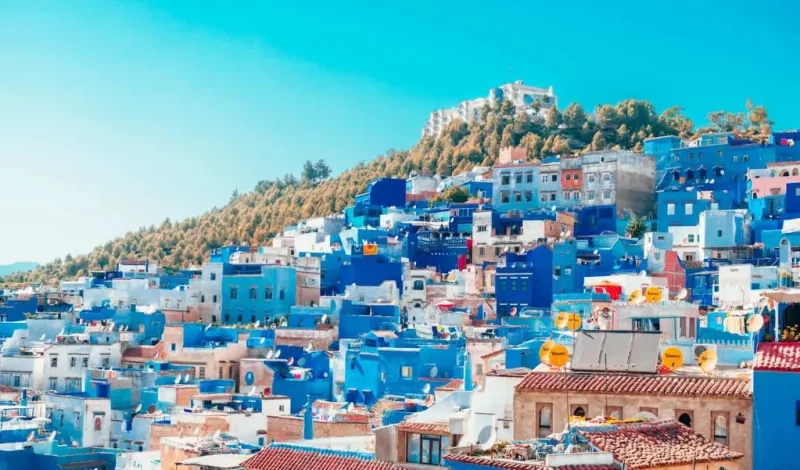
Often called Morocco's Blue City, Chefchaouen is considered one of the country's safest and most relaxed destinations.
Visitors appreciate its peaceful atmosphere, friendly residents, and slower pace of life.
Rabat
As Morocco's capital, Rabat is modern, organized, and generally very safe.
Visitors enjoy walking along the waterfront, exploring historical landmarks, and relaxing in public gardens.
Is Morocco Safe for Solo Travelers?
Yes.
Morocco is a popular destination for solo travelers from around the world.
Many visitors travel independently by:
- Train
- Bus
- Domestic flights
- Organized tours
Solo travelers should:
- Stay in reputable accommodations.
- Share itineraries with family or friends.
- Avoid isolated areas late at night.
- Keep valuables secure.
Joining guided day tours is an excellent way to explore while meeting other travelers.
Is Morocco Safe for Families?
Absolutely.
Morocco is a family-friendly destination offering activities suitable for all ages.
Families often enjoy:
- Camel rides in the Sahara
- Exploring ancient kasbahs
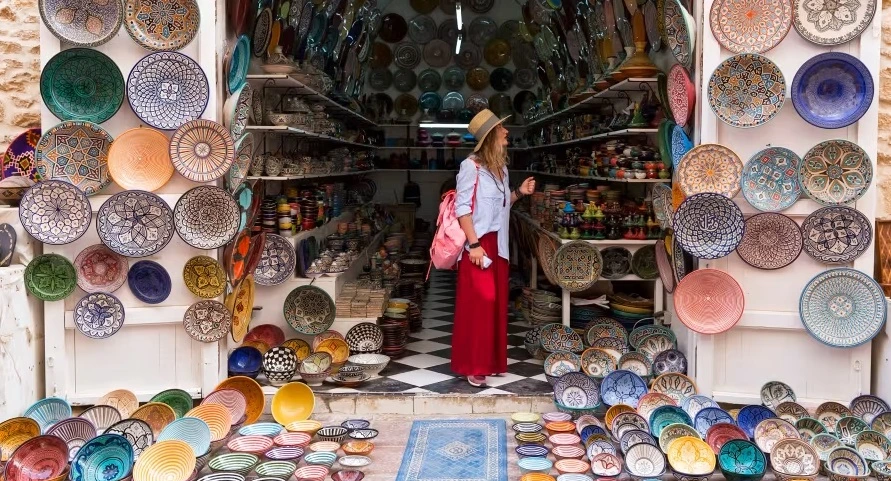
- Visiting colorful markets
- Coastal beaches
- Mountain villages
- Cultural experiences
Many hotels offer family rooms, swimming pools, and child-friendly facilities.
Common Tourist Scams and How to Avoid Them
Like many popular destinations, Morocco has some common tourist scams, but they are usually easy to avoid.
Unofficial Guides
In busy medinas, strangers may offer to guide you.
Use licensed guides arranged through reputable companies.
Overpriced Taxis
Always agree on the fare before starting the journey or request that the driver uses the meter.
Fake Directions
Some individuals may intentionally provide incorrect directions before asking for payment.
Offline maps can be extremely helpful.
Market Bargaining
Negotiating prices is part of Moroccan shopping culture.
Take your time, compare prices, and negotiate politely.
Why Millions of Tourists Continue Choosing Morocco
Every year, millions of visitors choose Morocco because it offers an incredible combination of history, culture, landscapes, cuisine, and hospitality.
Whether you're walking through the blue streets of Chefchaouen, riding camels across the Sahara Desert, exploring ancient palaces in Marrakech, or relaxing along the Atlantic coast, Morocco provides unforgettable experiences while remaining one of North Africa's most accessible destinations.
With reasonable precautions and thoughtful planning, travelers consistently describe Morocco as welcoming, exciting, and rewarding.
Crowds and Tourist Areas
Morocco is one of Africa's leading travel destinations, attracting millions of visitors each year. Tourist areas are generally lively, well-organized, and welcoming.
Peak Tourist Seasons
The busiest periods are:
- March to May (Spring)
- September to November (Autumn)
- Christmas and New Year holidays
- Easter vacation
Popular attractions such as Jemaa el-Fnaa Square, Hassan II Mosque, Chefchaouen's blue streets, and the Sahara Desert camps can become crowded during these seasons. Booking accommodations and guided tours in advance is recommended.
Quieter Travel Periods
If you prefer fewer crowds, consider visiting:
- January (after the New Year holidays)
- February
- Early June
- Late November
These months often provide a more relaxed experience while still offering pleasant weather in many regions.
Distances Between Morocco's Top Destinations
Understanding travel times helps you build a realistic itinerary.
Approximate driving distances include:
- Marrakech to Casablanca: 240 km
- Casablanca to Rabat: 90 km
- Rabat to Chefchaouen: 250 km
- Fes to Chefchaouen: 200 km
- Marrakech to Essaouira: 190 km
- Marrakech to Merzouga (Sahara): 560 km
- Fes to Merzouga: 470 km
- Marrakech to Ouarzazate: 195 km
- Ouarzazate to Ait Ben Haddou: 30 km
- Tangier to Chefchaouen: 115 km
Morocco's modern highways and rail network make traveling between major cities convenient and comfortable.
Weather and Seasonal Safety Tips
Spring
Spring is considered one of the safest and most comfortable seasons for exploring Morocco. Temperatures are mild, landscapes are green, and outdoor activities are enjoyable.
Summer
Summer temperatures can exceed 100°F (38°C) in inland cities such as Marrakech and Fes.
Travel tips include:
- Stay hydrated.
- Wear sunscreen.
- Schedule sightseeing early in the morning or late afternoon.
- Carry a reusable water bottle.
Coastal cities like Essaouira and Tangier remain cooler due to ocean breezes.
Autumn
Autumn offers pleasant weather, making it one of the best seasons for city tours, mountain hiking, and desert excursions.
Winter
Winter is generally mild in most cities, but mountain regions may experience snow, while desert nights can become surprisingly cold.
Pack layers if your itinerary includes the Atlas Mountains or the Sahara Desert.
Practical Safety Tips
Use Licensed Transportation
Choose official taxis, ride-hailing services where available, or transportation arranged by your hotel or tour operator.
Protect Your Valuables
Carry only what you need for the day and keep passports, cash, and electronics secure.
Anti-theft bags are useful in busy markets.
Respect Local Customs
Morocco is known for its hospitality, and respecting local traditions enhances your travel experience.
Simple, modest clothing is appreciated, especially when visiting religious or rural areas.
Drink Bottled Water
Bottled water is widely available and recommended for most visitors.
Stay Connected
Purchasing a local SIM card or using international roaming helps with navigation and emergency communication.
Choose Reputable Tour Operators
Booking with experienced travel companies ensures reliable transportation, knowledgeable guides, and well-planned itineraries.
Cultural Etiquette
Understanding local customs helps travelers enjoy smoother interactions.
Helpful etiquette includes:
- Ask permission before photographing people.
- Dress respectfully in traditional neighborhoods.
- Greet locals politely.
- Bargain respectfully in markets.
- Accept hospitality with appreciation.
Moroccans are widely known for their friendliness and generosity toward visitors.
Emergency Information
Morocco has reliable emergency services in major cities.
Important contacts include:
- Police: 19
- Ambulance and Fire Services: 15
Most hotels can also assist guests with medical services, transportation, and emergency support.
Travel insurance is strongly recommended for international visitors.
Real Traveler Insights
One of our travelers mentioned:
"Before arriving, I was worried after reading different opinions online. After spending ten days traveling across Morocco, I felt completely comfortable. Everyone from hotel staff to local shop owners was welcoming, and joining guided tours made the experience even easier."
Visitors often say Morocco feels energetic rather than unsafe. The busy markets, lively squares, and vibrant streets are part of the country's charm. With normal travel awareness and respect for local customs, most travelers enjoy a smooth and memorable trip.
Frequently Asked Questions
Is Morocco safe for first-time visitors?
Yes. Morocco is a popular destination for first-time travelers, especially when visiting well-known tourist areas.
Is Morocco safe for women?
Many women travel safely throughout Morocco, including solo travelers. Dressing modestly, staying aware of your surroundings, and using reputable transportation are recommended.
Is Morocco safe at night?
Popular tourist areas are generally safe during the evening. Avoid isolated places late at night and use official transportation whenever possible.
Is the Sahara Desert safe?
Yes. Desert excursions are safe when arranged through licensed tour operators with experienced local guides.
Is public transportation safe?
Morocco's trains, buses, and domestic flights are widely used by both locals and tourists and are generally considered safe.
Do I need travel insurance?
Yes. Comprehensive travel insurance covering medical care, trip delays, and lost luggage is recommended.
Can families travel comfortably in Morocco?
Absolutely. Morocco offers family-friendly hotels, cultural attractions, beaches, and desert experiences suitable for all ages.
Final Thoughts
So, is Morocco safe to visit? For most travelers, the answer is yes. Morocco combines rich history, vibrant culture, breathtaking landscapes, and warm hospitality, making it one of North Africa's most rewarding destinations. Like any country, staying informed, respecting local customs, and using common sense will help ensure a safe and enjoyable journey.
Whether you're exploring the colorful streets of Chefchaouen, wandering through the ancient medinas of Fes, relaxing along the Atlantic coast, or watching the sunset over the Sahara Desert, Morocco offers unforgettable experiences that leave lasting memories.
Ready to explore Morocco Holiday Packages with confidence? Let Flying Carppet Tour help you plan a safe, comfortable, and unforgettable journey with expertly designed itineraries, trusted local guides, and carefully selected accommodations across Morocco's most iconic destinations.