
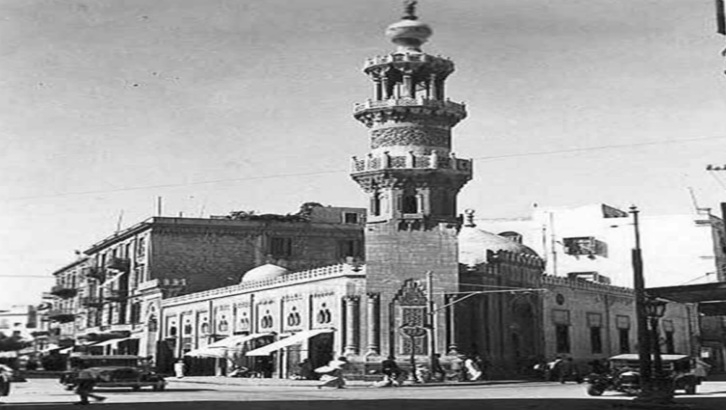
Attarine Mosque Alexandria, Egypt: Discover the Spiritual and Historical Heart of Old Alexandria
Attarine Mosque is one of the most fascinating Islamic landmarks hidden within the historical streets of Alexandria. While many travelers visit Alexandria for its Mediterranean coastline, ancient ruins, and famous library, Attarine Mosque offers a completely different experience filled with spirituality, heritage, and authentic local atmosphere. From the first moment you approach the mosque, the surrounding old streets, traditional architecture, and peaceful environment create a feeling that instantly transports visitors into another era of Egyptian history.
Unlike crowded modern attractions, Attarine Mosque feels deeply connected to the soul of Alexandria itself. The mosque reflects centuries of religious history, local traditions, and architectural beauty that continue to survive in one of Egypt’s oldest cities. Visiting Attarine Mosque is not simply about seeing a religious building; it is about experiencing the quiet rhythm of old Alexandria where history still lives naturally among local communities, markets, and traditional neighborhoods.
Quick Facts About Attarine Mosque
Location
Attarine Mosque is located in the historic Attarine district in central Alexandria, Egypt, surrounded by traditional markets and old streets filled with local life.
Opening Hours
Attarine Mosque is generally open daily from early morning until evening prayer times, although visitor access may vary during Friday prayers and religious occasions.
Ticket Prices
Entry to Attarine Mosque is free for both worshippers and respectful visitors.
Best Time to Visit
The best time to visit Attarine Mosque is early in the morning or before sunset when the weather is cooler and the streets are less crowded.
Recommended Duration
Most travelers spend between 45 minutes and 1.5 hours exploring Attarine Mosque and its surrounding historical neighborhood.
Nearby Attractions
Visitors often combine Attarine Mosque with other famous sites in Alexandria including:
-
Bibliotheca Alexandrina
-
Citadel of Qaitbay
-
Pompey's Pillar
-
Abu al-Abbas al-Mursi Mosque
The History of Attarine Mosque
The story of Attarine Mosque reflects the long and complex history of Alexandria itself. Historians believe the site originally contained an ancient Byzantine church before it was transformed into a mosque during the Islamic era. Over time, Attarine Mosque became one of the important spiritual centers in Alexandria and played a significant role in the religious life of the city.
Throughout different historical periods, Attarine Mosque witnessed the rule of various Islamic dynasties including the Mamluks and Ottomans. Each era added architectural and artistic elements that shaped the mosque’s current appearance. Although several renovations took place over the centuries, Attarine Mosque still preserves much of its original historical atmosphere.
The location of Attarine Mosque inside one of Alexandria’s oldest districts also increased its importance. Merchants, scholars, travelers, and local residents passed through the surrounding streets for generations, making the mosque part of the daily rhythm of city life. Even today, Attarine Mosque remains active as a place of worship while continuing to attract visitors interested in Islamic history and architecture.
Unlike some modern religious sites, Attarine Mosque carries a visible sense of age and authenticity. The stone walls, old prayer halls, and quiet courtyards allow visitors to feel the historical depth of the place without needing large museums or modern displays.
Enjoy seeking in these historical moments by visiting El Attarine Mosque with Flying Carpet Tours through Egypt Travel Packages & Best Tours 2026 /2027
What to Expect at Attarine Mosque
The Place
The moment you arrive at Attarine Mosque, you immediately notice the contrast between the busy streets of Alexandria and the calm atmosphere inside the mosque. The building itself may not be as massive as some famous mosques in Cairo, but Attarine Mosque possesses a unique beauty that comes from its simplicity, age, and historical character.
Inside Attarine Mosque, visitors discover elegant Islamic arches, decorated prayer spaces, traditional geometric details, and peaceful corners filled with soft natural light. The mosque creates a quiet environment where visitors can pause and appreciate the spiritual side of Alexandria away from modern distractions.
The surrounding neighborhood also adds an important part of the experience. The narrow streets around Attarine Mosque are filled with small local shops, traditional vendors, and old residential buildings that still preserve the atmosphere of historical Alexandria. Walking through this area feels authentic because daily life continues naturally around the mosque.
Many visitors mention that Attarine Mosque feels more personal and less commercial than larger tourist attractions. Instead of crowds of tour groups, visitors often encounter local worshippers, neighborhood residents, and travelers quietly exploring the area.
Crowds
The level of crowds at Attarine Mosque changes depending on the time of day and religious occasions. Early mornings are usually peaceful, making them perfect for visitors who want to experience the calm atmosphere and take clear photographs.
Friday prayers bring larger numbers of worshippers to Attarine Mosque, especially from nearby neighborhoods. During Islamic holidays and Ramadan, the mosque becomes more active and spiritually vibrant, offering visitors a chance to witness local religious traditions.
Despite these busy moments, Attarine Mosque still feels far less crowded than Egypt’s major tourist sites. Many travelers appreciate that the mosque allows them to enjoy a slower and more meaningful cultural experience.
Distances
Attarine Mosque is located within a walkable part of Alexandria’s historical center, making it easy to combine with nearby attractions and local markets. Visitors can comfortably spend hours exploring the surrounding district on foot.
Walking around Attarine Mosque allows travelers to discover hidden alleyways, old architecture, local cafés, and traditional shops that are often missed during fast-paced city tours. Because the district is rich in historical details, many visitors end up spending more time in the area than originally planned.
The area surrounding Attarine Mosque also provides excellent opportunities for photography, especially for travelers interested in documenting local Egyptian life and traditional urban scenes.
Weather
Alexandria generally has milder weather compared to southern Egyptian cities, but summer afternoons near Attarine Mosque can still become quite warm. The best seasons to visit are autumn, winter, and spring when temperatures are more comfortable for walking and sightseeing.
Because Attarine Mosque is located within an old urban district, some streets offer shade while others remain exposed to direct sunlight. Comfortable clothing and walking shoes are strongly recommended.
During winter, the atmosphere around Attarine Mosque becomes especially pleasant, with cooler air and softer sunlight creating ideal conditions for exploring the historical neighborhood.
Tips
-
Visit Attarine Mosque early in the morning for a quieter experience.
-
Dress modestly to respect the religious atmosphere.
-
Take your time exploring nearby streets and markets.
-
Carry water during warmer months.
-
Avoid visiting during peak midday heat in summer.
-
Respect prayer times when taking photos.
-
Combine Attarine Mosque with other historical Alexandria attractions.
The Architecture of Attarine Mosque
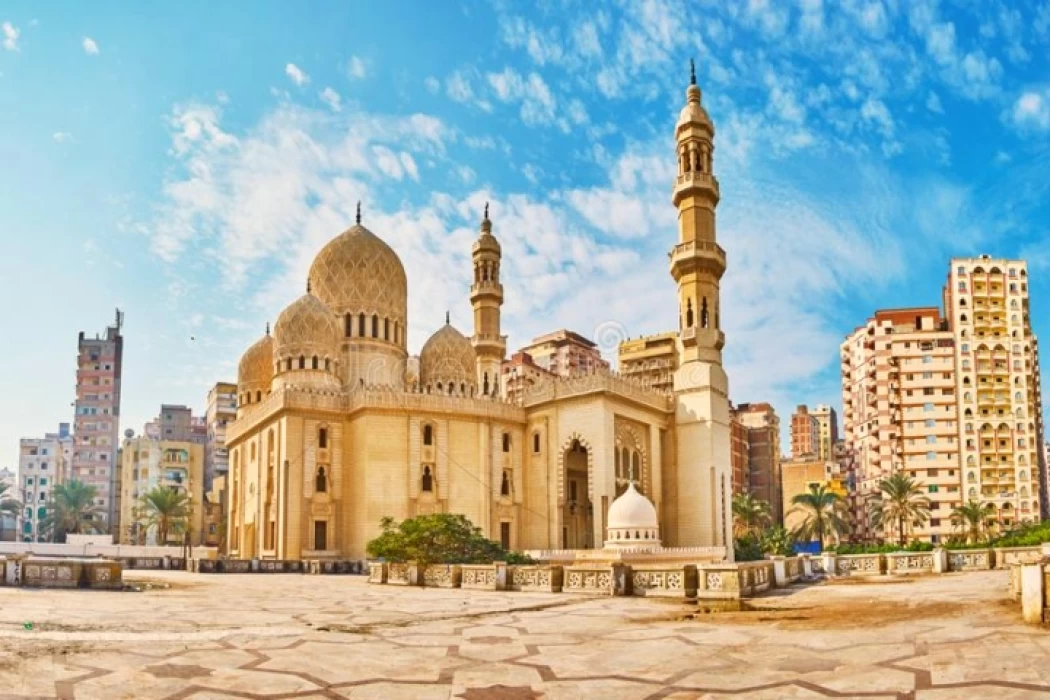
One of the most remarkable aspects of Attarine Mosque is its beautiful Islamic architecture. Although the mosque is not extremely large, every detail reflects traditional craftsmanship and historical design principles that have survived for centuries.
The minaret of Attarine Mosque rises gracefully above the surrounding old buildings and serves as one of the visual landmarks of the district. The elegant proportions of the structure create a sense of harmony that blends naturally with the historical environment of Alexandria.
Inside Attarine Mosque, visitors can admire arches, decorative carvings, and prayer halls designed with simplicity and balance. Unlike modern constructions that often rely on excessive decoration, Attarine Mosque achieves beauty through its traditional materials, careful design, and spiritual atmosphere.
Natural light entering Attarine Mosque through windows and openings creates changing patterns throughout the day, adding warmth and tranquility to the interior spaces. Many photographers and architecture lovers appreciate the peaceful visual character of the mosque.
The historical atmosphere surrounding Attarine Mosque becomes even stronger when visitors notice the aging stone surfaces, old wooden elements, and handcrafted details that continue to survive despite centuries of use and restoration.
The Spiritual Importance of Attarine Mosque
Attarine Mosque continues to serve as an active place of worship for Alexandria’s local Muslim community. Daily prayers, Quran recitations, and religious gatherings still take place inside the mosque, preserving its spiritual role within the city.
For many local residents, Attarine Mosque represents more than historical architecture. It is a familiar part of neighborhood life where generations of families have gathered for prayer, community events, and religious celebrations.
Visitors to Attarine Mosque often mention the peaceful atmosphere they feel while sitting quietly inside the mosque. Even travelers who are not religious frequently appreciate the calm environment and sense of reflection offered by the space.
The spiritual atmosphere of Attarine Mosque becomes especially meaningful during Ramadan when the mosque fills with worshippers, lights, and evening prayers that create a powerful cultural experience.
Practical Travel Tips for Visiting Attarine Mosque
Best Time to Go
The ideal months for visiting Attarine Mosque are between October and April when Alexandria’s temperatures are cooler and more comfortable.
What to Wear
Visitors to Attarine Mosque should wear respectful clothing that covers shoulders and knees. Women may prefer carrying a light scarf when entering religious areas.
What to Bring
-
Comfortable walking shoes
-
Sunglasses
-
Water bottle
-
Camera or smartphone
-
Light scarf or shawl
-
Small backpack
Common Mistakes
-
Visiting during Friday prayer without planning ahead.
-
Wearing clothing unsuitable for religious sites.
-
Rushing through the neighborhood too quickly.
-
Ignoring nearby historical streets and markets.
-
Visiting during the hottest part of summer afternoons.
Real Visitor Experiences at Attarine Mosque
“One of our travelers mentioned…” that entering Attarine Mosque after walking through the crowded streets of Alexandria felt surprisingly peaceful and calming.
“Visitors often say…” that the surrounding neighborhood of Attarine Mosque feels more authentic than heavily touristic areas because local life continues naturally around the mosque.
Another traveler shared that the simple architectural details inside Attarine Mosque created a stronger emotional impression than some larger and more famous historical sites.
Several visitors also mention that photographing the old streets surrounding Attarine Mosque became one of the highlights of their Alexandria trip because the area preserves traditional Egyptian urban character rarely seen in modern cities.
Attractions Near Attarine Mosque
Travelers visiting Attarine Mosque can easily explore other important landmarks nearby:
Bibliotheca Alexandrina
Bibliotheca Alexandrina offers a modern cultural experience inspired by the ancient Library of Alexandria.
Citadel of Qaitbay
Citadel of Qaitbay stands on the Mediterranean coast and provides beautiful sea views and historical significance.
Pompey’s Pillar
Pompey's Pillar remains one of the most famous Roman monuments in Alexandria.
Abu al-Abbas al-Mursi Mosque
Abu al-Abbas al-Mursi Mosque is another important Islamic landmark known for its impressive architecture.
Combining these attractions with Attarine Mosque creates a complete cultural and historical experience in Alexandria.
Frequently Asked Questions About Attarine Mosque
How long does it take to visit Attarine Mosque?
Most visitors spend between 45 minutes and 1.5 hours exploring Attarine Mosque and nearby streets.
Is Attarine Mosque crowded?
Attarine Mosque is usually calm except during Friday prayers and religious holidays.
Is Attarine Mosque worth visiting?
Yes, Attarine Mosque is worth visiting for travelers interested in Islamic history, local culture, and authentic Alexandria experiences.
Can tourists enter Attarine Mosque?
Tourists can generally visit Attarine Mosque respectfully outside prayer times.
Is photography allowed inside Attarine Mosque?
Photography is usually allowed in public areas if done respectfully and without disturbing worshippers.
What makes Attarine Mosque special?
Attarine Mosque stands out because of its peaceful atmosphere, historical significance, and authentic location inside old Alexandria.
Conclusion
A Peaceful Ending to Your Visit to Attarine Mosque
Attarine Mosque offers visitors a rare opportunity to experience the quieter and more authentic side of Alexandria. Beyond the famous tourist attractions and Mediterranean scenery, the mosque reveals the spiritual and historical layers that shaped the city for centuries.
Walking through the historical streets surrounding Attarine Mosque allows travelers to connect with local culture, traditional architecture, and daily Egyptian life in a way that feels natural and meaningful. The peaceful atmosphere, elegant Islamic design, and rich history make Attarine Mosque one of Alexandria’s hidden cultural treasures.
Whether you are passionate about architecture, Islamic history, photography, or cultural travel, Attarine Mosque adds depth and authenticity to any visit to Egypt. It is a place where history is not locked behind museum glass but continues to live within the streets, prayers, and memories of Alexandria itself.
Try this on your own with Flying Carpet Tours through Egypt Travel Packages & Best Tours 2026 /2027.