
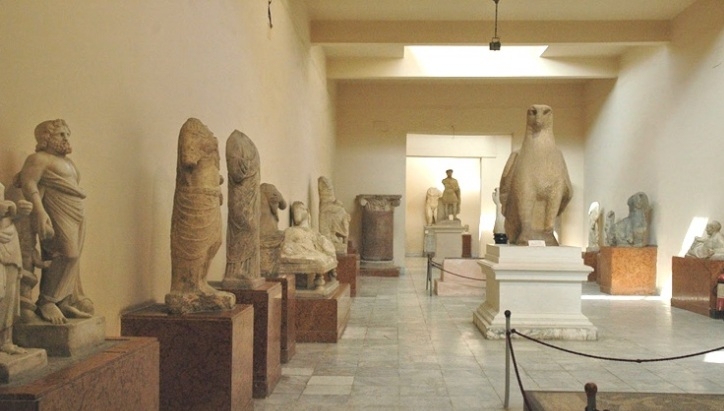
Graeco-Roman Museum, Alexandria
The Graeco-Roman Museum is one of Egypt’s most historically significant archaeological institutions, located in the coastal city of Alexandria in northern Egypt. Dedicated to preserving and presenting artifacts from Egypt’s Greek and Roman periods, the museum offers a unique window into the cultural, artistic, and social life of one of the ancient Mediterranean’s most cosmopolitan cities.
Founded in the late 19th century, the museum holds one of the richest collections of artifacts from the Ptolemaic and Roman eras — ranging from intricately carved sculptures and mosaics to coins, pottery, and everyday objects. Over its long history, it has become a vital center for archaeological research, education, and cultural heritage.
Origins and Early History
The idea for the museum originated in 1889, largely through the efforts of Giuseppe Botti, an Italian scholar who recognized the need to protect Alexandria’s rich archaeological finds from neglect, damage, and loss. At the time, Alexandria’s rapid urban growth and development meant that many significant artifacts were being unearthed — and often leaving Egypt through export or private collections. Botti and his supporters sought to establish a formal institution where these discoveries could be preserved and studied.
The museum was officially founded in 1892 and initially opened in a modest rented house on what was then Horreya Road (previously Rue Rosetta). As the number of finds grew, the space quickly became inadequate. Recognizing the museum’s importance, Khedive Abbas Helmy II — ruler of Egypt at the time — supported the construction of a larger, purpose-built structure.
In 1894, the cornerstone of a new building was laid by Nubar Pasha, and by 1895 the museum opened its doors in its present location, near Gamal Abdel Nasser Street. The new building was designed in a neoclassical architectural style by German and Dutch architects, reflecting contemporary European tastes and aligning with Alexandria’s own historic blend of Eastern and Western influences.
Architecture and Design
The Graeco-Roman Museum’s architecture is notable for its Greek Revival and neoclassical design, a style deliberately chosen to reflect the cultural eras represented within. With its clean lines, symmetry, and grand columns, the museum evokes the architectural traditions of classical Greece and Rome, making the building itself a symbolic precursor to the stories told by its collections.
Originally, the museum featured around 11 galleries. Over time, expansions were carried out to accommodate the growing number of artifacts. By the mid-20th century, the number of galleries had increased substantially, ultimately reaching more than two dozen exhibition halls. Before its latest renovation, the museum consisted of 27 halls in total, arranged around a central courtyard and garden.
The outdoor garden remains an important feature of the museum, presenting large stone sculptures, architectural fragments, and funerary monuments against the backdrop of Alexandria’s urban landscape.
Collections and Exhibits
The Graeco-Roman Museum’s holdings are extensive, encompassing tens of thousands of artifacts that together illustrate more than a thousand years of Alexandria’s ancient history — from the city’s founding in 331 BCE by Alexander the Great through to the early Byzantine period in the 7th century CE.
Greek and Ptolemaic Artifacts
Among the most valuable parts of the collection are Hellenistic sculptures and architectural elements from the era when Alexandria was the capital of the Ptolemaic Kingdom. These include marble portraits of Greek rulers, intricate statuary, and decorative architectural pieces. The museum also displays terracotta figurines from Tanagra — small, highly detailed statuettes that reveal aspects of everyday life and fashion in the ancient Greek world.
In addition to figurines and sculptures, the museum showcases mosaics from the Ptolemaic period, including depictions of scenes from mythology, daily life, and ritual practices. Some of these mosaics were originally part of larger floor decorations from public buildings and private residences.
Roman Period Treasures
The Roman era in Egypt began in 30 BCE after the death of Cleopatra VII and continued for centuries. The museum contains a significant array of artifacts from this period, including bronze portraits, marble busts of emperors, and sculptures blending Roman realism with Egyptian symbolism.
Of particular interest are Roman mosaics and everyday objects that provide insight into how Roman culture shaped daily life in Egypt’s Mediterranean port city. These exhibits illustrate everything from household rituals to commerce, religion, and artistic preferences.
Coins and Numismatics
The museum’s numismatic collection is especially noteworthy, with thousands of coins spanning centuries of Greco-Roman history. These coins, minted both locally and across the broader Mediterranean world, depict rulers, gods, animals, and symbols of sovereignty and civic identity. They provide invaluable clues about economic history, political shifts, and artistic styles.
Rare and Unique Objects
In addition to sculptural and numismatic collections, the museum displays an array of rare and unusual artifacts:
-
Mummified animals and ritual objects from the intersection of Egyptian and Greco-Roman religious practices.
-
Architectural fragments from temples and public buildings in and around Alexandria and the Nile Delta.
-
Jewelry, pottery, and glassware that reveal craftsmanship and trade connections.
-
Library and Reference Materials, including rare books and manuscripts related to archaeological studies and local heritage.
Together, these exhibits paint a detailed picture of Alexandrian life across many centuries — a story of multicultural interaction, religious fusion, and artistic evolution.
Scholarly Contributions and Research
Beyond its role as a public museum, the Graeco-Roman Museum has historically served as a center for scholarly study. In its early years, the museum published archaeological reports and bulletins that contributed to emerging understandings of Egypt’s Greco-Roman past. Directors such as Evaristo Breccia and Achille Adriani, and later Egyptian archaeologists, played key roles in expanding research and establishing systematic excavation and curation practices.
The museum’s extensive library, which includes thousands of books on archaeology, history, and classical studies, continues to support researchers and students from around the world.
Restoration and Modern Developments
By the early 21st century, the museum’s historic building and aging displays required comprehensive renovation to preserve both the structure and its collections. In 2005, the museum was closed to begin major restoration and expansion efforts. However, due to funding challenges and political upheavals including the 2011 Egyptian Revolution, progress was slow for many years.
Restoration resumed in earnest in the mid-2010s, with plans to strengthen the building’s foundation, update exhibition spaces, install modern lighting and climate control systems, and reorganize galleries to improve the visitor experience. The project also included adding new display halls and conservation facilities.
After nearly two decades of work, the museum officially reopened in October 2023 under the patronage of Egyptian government leaders and cultural officials. The reopening marked a major milestone in Alexandria’s cultural revival, reintroducing thousands of artifacts to public view and reaffirming the museum’s importance as a cultural attraction.
Cultural Impact and Visitor Experience
Today, the Graeco-Roman Museum is recognized not only as a repository of ancient artifacts but also as a testimony to Alexandria’s historical role as a nexus of cultures. It helps tell the story of a city where Egyptian, Greek, Roman, Coptic, and Byzantine traditions intersected to create a dynamic and enduring legacy.
Visitors can explore:
-
Gallery exhibitions that trace centuries of history in chronological and thematic order.
-
Outdoor sculpture gardens showcasing large stone works and architectural remnants.
-
Educational programs and guided tours that offer deeper insights into ancient world civilizations.
The museum remains one of Alexandria’s most compelling attractions for historians, students, tourists, and anyone interested in the ancient Mediterranean world.
Legacy and Future Prospects
As the museum enters a new era, it continues to play a crucial role in preserving Egypt’s diverse cultural heritage. Plans for future expansion, digital cataloging, and international partnerships aim to further enhance its global significance. Its collections — spanning centuries and civilizations — remind visitors of Alexandria’s enduring place as a crossroads of history, culture, and intellect