

Abdeen Palace, Cairo: A Complete Travel Guide to Egypt’s Royal Showpiece
A Traveler’s First Impression
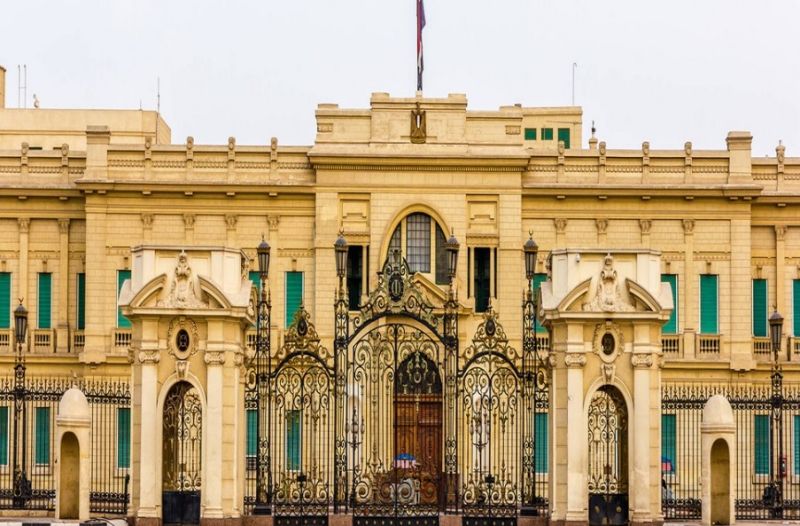
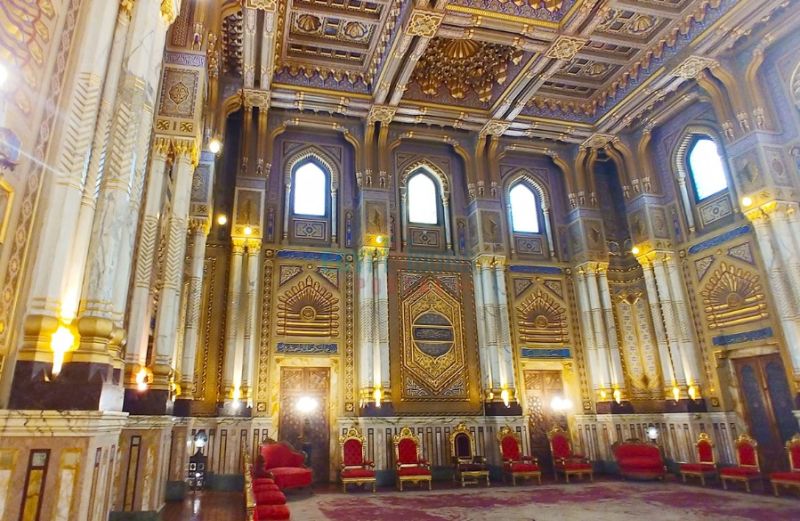
“I walked in expecting a quiet museum visit. I walked out feeling like I had been a guest at a royal party.” That is how one traveler described Abdeen Palace after a morning wandering its halls. The street outside is busy with downtown traffic, but the moment you step through the gates the mood changes. A wide square opens up, the pale stone facade rises ahead, and inside, golden ceilings, crystal chandeliers, and rows of antique clocks wait in room after room.
Visitors often say the surprise is the scale. You may have seen photos of the Pyramids and the great temples, but a palace built for a modern royal family offers something different: furniture, silver, uniforms, and gifts that tell a human story. You do not need to be a history expert to enjoy it. You only need curiosity and a pair of comfortable shoes.
What Is Abdeen Palace?
Abdeen Palace is a 19th-century royal palace in downtown Cairo, built in the neo-classical style and famous for its roughly 500 rooms, ornate salons, and lavish decoration. For decades it was the main home and ceremonial seat of Egypt’s ruling family. Today parts of it are open to the public as a group of museums, while other sections are still used for official purposes, so not every wing is accessible.
If you want a single place to understand how Egypt’s royal era looked, felt, and ended, this is a very good choice. It sits in the middle of the city, close to the Egyptian Museum and Tahrir Square, which makes it easy to combine with a day of sightseeing.
Quick Facts
- Location: Abdeen district, downtown Cairo, near the old city center and a short ride from Tahrir Square
- Typical opening hours: Around 9:00 AM to 3:00 PM, usually closed on Fridays. Several sources report slightly different hours and closing days, so confirm before you go.
- Last entry: Usually about an hour before closing
- Prices: Tickets are priced separately for foreign and Egyptian visitors, with discounts for students and free entry for very young children. A separate camera ticket is normally required for photography. Prices change, so check our website or ask at the ticket office for current rates.
- Recommended duration: About 90 minutes for a relaxed visit, or two to three hours if you like to read every label and explore every museum
- Best time to visit: October to April for mild weather. Arrive shortly after opening on a weekday for the calmest experience.
- Best for: History lovers, architecture fans, families with older children, photographers, and anyone who wants a break from the busy streets
A Short History of Abdeen Palace
From a Private House to a Royal Project
The palace takes its name from Abdeen Bey, an Ottoman military commander whose house once stood on this site. In the 1860s, Khedive Ismail, the ruler of Egypt at the time, decided to build a new royal residence here. He wanted a modern palace in the style of the great European courts, and he wanted it in the heart of Cairo rather than in the old Citadel.
European architects and designers worked alongside Egyptian craftsmen and builders. Construction lasted around a decade and the palace was completed in the mid-1870s. It was grand from the start, filled with marble, gilded woodwork, painted ceilings, and imported furniture. Ismail’s Cairo was undergoing a massive makeover, with new boulevards, bridges, and districts, and Abdeen Palace became the most visible symbol of that ambition.
A Home for Kings
For the next several decades, Abdeen Palace was the official seat of government and the center of royal life. Weddings, state banquets, official receptions, and diplomatic meetings took place here. The palace had theaters, ceremonial halls, private apartments, and gardens, and thousands of people worked in and around it.
The square in front of the palace was also the stage for key moments in the country’s political history. In 1881, a famous demonstration there brought military and civilian leaders face to face with the ruler of the day, demanding reforms and a more representative government. In 1942, the square saw another tense moment when British forces surrounded the palace during a political crisis. Both events are still discussed by historians as turning points in Egypt’s modern story.
The End of the Monarchy and a New Role
After the revolution of 1952 ended the monarchy, the palace entered a new chapter. It served for a time as a presidential office and venue for state events, and it gradually became a place where the heritage of the royal period could be preserved and shared. Over the following decades, a series of museums opened inside the palace, bringing together collections that had been scattered across the country.
Restoration work has continued in different phases, cleaning the facades, repairing interiors, and improving visitor areas. Today the palace functions as both a cultural attraction and a state building, which is part of what makes it so interesting.
What to Expect
Arriving at the Palace
Your visit usually begins at the large square in front of the main gate. Security checks are standard, so bring your passport or a copy, keep your bag light, and expect a quick scan at the entrance. Tickets are bought at the ticket office, and a photography ticket is sold separately if you want to use a camera or phone for pictures inside.
Once through, you walk across a wide forecourt with the grand facade ahead. It is a good place to take a few exterior photos before heading inside.
The Museums Inside
Rather than one single exhibition, the palace is a collection of separate museums, each with its own theme. Exactly which ones are open can vary, so ask at the entrance when you arrive. The main collections include:
The Weapons Museum
This is one of the largest collections of its kind in the region, with swords, daggers, armor, firearms, and ceremonial weapons from many periods and countries. Many pieces were royal gifts or personal belongings of rulers. Even visitors who do not usually care for military history find the craftsmanship impressive, with jeweled handles, engraved blades, and inlaid designs.
The Silver Museum
Here you will find silver tableware, trays, vases, and decorative objects once used by the royal family. The pieces are elegant and detailed, and they give a very personal glimpse into how the household lived and entertained.
The Medals and Decorations Museum
Rows of medals, orders, and honors, many of them gifts from foreign leaders, show how the royal court took part in international diplomacy. Colorful ribbons and sparkling stones make this a favorite stop for photographers.
The Royal Family Museum
Personal items, portraits, clothing, and furniture help you picture the people who lived here. Expect a mix of formal portraits and everyday objects, which makes the history feel closer.
The Presidential Gifts Museum
This collection brings together gifts presented to Egypt’s presidents by visiting leaders and delegations from around the world. It is varied and often surprising, with artwork, models, handcrafted objects, and symbolic presents.
The Documents Museum
For history lovers, this section displays important papers, maps, and records connected to the palace and the country’s modern history.
The Grand Halls and Salons
Even if you spend little time in the museums, the palace rooms themselves are worth the visit. Look for the high painted ceilings, gold-trimmed furniture, grand staircases, and enormous chandeliers. Clocks appear everywhere, in many styles and sizes, and visitors often enjoy counting how many they can spot. Some rooms are arranged to look the way they did when the palace was in daily use, while others are used to display the collections.
The Atmosphere
The mood is calm and unhurried. Guards and staff are generally polite and helpful, the rooms are cool and echoing, and visitors usually speak quietly, which adds to the sense of occasion. Because the palace is large, you can often find a hall to yourself, especially on weekday mornings.
Useful Facts: Crowds, Distances, and Weather
- Crowds: The palace is usually quieter than the major pyramid and museum sites. Weekdays are calmer than weekends and public holidays, and school groups sometimes arrive late morning. The earliest hour after opening is typically the most peaceful.
- Distances: The palace is in central Cairo, about a 10 to 15 minute drive from Tahrir Square and the Egyptian Museum in normal traffic, though rush hour can double that. Islamic Cairo and the Citadel are further east and are easily reached by taxi or ride-hailing.
- Size: With around 500 rooms, the palace is far larger than the portion that visitors can see. Expect to walk a fair amount, but the route is mostly indoors and well organized.
- Weather: Summers in Cairo are hot, often above 35°C in the afternoon, so the air-conditioned or shaded interiors are welcome. Winters are mild, usually between 14°C and 20°C, which is ideal for walking to nearby sights afterward. Spring and autumn are comfortable and bright.
- Photography: Allowed in most areas with a camera ticket, though some rooms may have restrictions. Flash is often not permitted, so check the signs.
- Accessibility: Some sections include stairs and uneven floors. If you or someone in your group has limited mobility, ask staff which areas are easiest to reach.
Practical Travel Tips
- Confirm opening days and hours. The palace is generally closed on Fridays, and hours can change around holidays and special events.
- Arrive early. The first hour after opening is the calmest and the best for photos.
- Bring your passport or a copy. Security staff may ask for identification at the entrance.
- Pack light. Large bags can slow down the security process and may need to be left at the entrance.
- Buy the camera ticket if you plan to take pictures. It is cheap compared with the experience, and it avoids awkward moments inside.
- Dress modestly and comfortably. Light, breathable clothing that covers shoulders and knees is respectful, and flat shoes are best for marble floors and stairs.
- Carry small cash. Tickets, tips, and small purchases are easier with small bills.
- Consider a guide. A knowledgeable guide can explain the stories behind the objects, the politics behind the portraits, and the symbols hidden in the decoration.
- Allow time for each museum. If you only have an hour, choose the weapons and royal halls first. If you have more time, add the silver and medals sections.
- Combine with nearby sights. The Egyptian Museum, Tahrir Square, Cairo Tower, and downtown cafes are all nearby. A half-day downtown itinerary works well.
- Stay hydrated. Even though the interiors are cooler, walking around a large palace in warm months can be tiring.
- Respect the rules. Do not touch exhibits, and follow staff instructions about photography and restricted areas.
- Avoid peak heat for outdoor extras. If you plan to explore downtown on foot afterward, do it in the late afternoon in summer.
What Travelers Say
Visitors often say that Abdeen Palace feels like a hidden gem. One of our travelers mentioned that they almost skipped it because their schedule was packed with the big-name attractions, but they were glad they did not: “It was the one place where I felt like I was walking through someone’s life, not just looking at objects.” They added that the quiet rooms and the sparkle of the chandeliers made it a perfect pause in a busy week.
Another traveler said the weapons collection was the unexpected highlight. They had come for the royal rooms but ended up spending nearly an hour studying the decorated swords and antique firearms, especially the pieces that were gifts from foreign rulers. “Every case had a story,” they said.
Families often tell us the palace works better than expected for older children. The clocks, the shiny medals, and the huge halls keep younger visitors curious, while the short distances between rooms make it easy to take breaks. Couples and solo travelers like the calm atmosphere and the chance to take photos without crowds.
Many first-time visitors also say they appreciated how helpful the staff were. Guards and guides will often point out details you might miss, such as a hidden painting, a special clock, or a view across the courtyard. Several guests added that the palace gave them a better sense of modern Egyptian history than any book they had read before the trip.
Frequently Asked Questions
Where is Abdeen Palace?
It is in the Abdeen district of downtown Cairo, a short drive from Tahrir Square and the Egyptian Museum.
Who built Abdeen Palace?
It was commissioned by Khedive Ismail in the 1860s and completed in the 1870s, with European architects and local craftsmen working together.
Why is it called Abdeen Palace?
It is named after Abdeen Bey, an Ottoman military commander whose house once stood on the site.
How many rooms does the palace have?
It is commonly described as having around 500 rooms, although only a portion is open to visitors.
What are the opening hours?
Usually about 9:00 AM to 3:00 PM, and often closed on Fridays. Because hours can vary, confirm them before you go.
How much does it cost?
Foreign and Egyptian visitors pay different ticket prices, and there is a separate camera ticket. Rates change over time, so check our website or the ticket office for current information.
How long should I spend there?
Plan for about 90 minutes to two hours. If you want to see every museum in detail, allow two to three hours.
Is it worth visiting?
Many travelers say yes, especially if you enjoy history, architecture, or want a quieter alternative to the bigger sites. It gives a very different view of Egypt from the ancient monuments.
Can I take photos?
Generally yes with a camera ticket, but there may be restrictions in some rooms. Look for signs and ask staff if unsure.
Is it suitable for children?
Yes, particularly for school-age children who enjoy chandeliers, clocks, and weapons displays. Younger children may tire quickly, so plan breaks.
Do I need a guide?
It is not required, but a guide adds helpful context about the royal family, the architecture, and the political events linked to the palace.
What else can I see nearby?
The Egyptian Museum, Tahrir Square, Cairo Tower, and downtown cafes are all close, and Islamic Cairo and the Citadel are a short taxi ride away.
What is the best time of year to visit?
October to April offers the most comfortable weather, but the palace interiors make it a reasonable visit in summer too.
Ready to Step Inside Egypt’s Royal Past?
Abdeen Palace is one of those places that rewards a slow, curious visit. You can admire gilded ceilings, trace the story of a dynasty through its treasures, and still be back out in the sunshine within a couple of hours, ready for lunch in downtown Cairo.
If you would like help planning your visit, we would be happy to assist. Visit our website to explore guided Cairo tours, check the latest opening details and ticket information, and choose a trip that fits your schedule and interests. A royal afternoon in the heart of the city is waiting for you.