
The Nymphaeum at Amman Jordan: A Complete Travel Guide to an Ancient Roman Fountain
A Traveler’s First Impression
"While exploring the historic streets of Amman, I discovered a hidden piece of Roman history that I did not expect to find. Standing in front of the Nymphaeum, I imagined how impressive this ancient fountain must have been thousands of years ago when people gathered around it in the heart of the Roman city of Philadelphia. The detailed stone remains, the connection with the nearby Roman Theater, and the atmosphere of old Amman made me feel like I was stepping into another era. It was a small but unforgettable stop that revealed another side of Jordan’s rich heritage."
What Is The Nymphaeum at Amman Jordan?
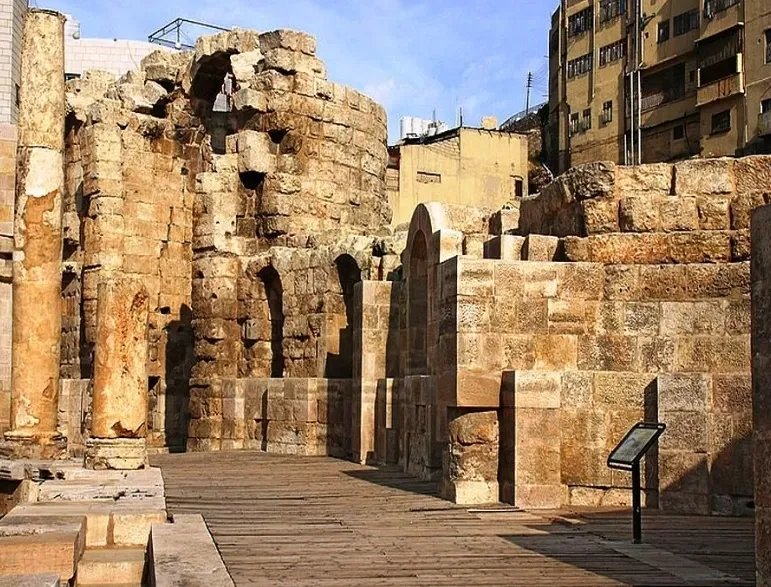
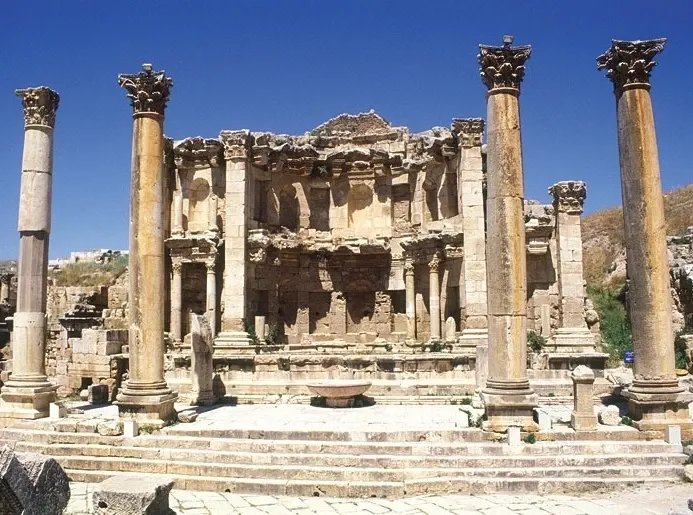
The Nymphaeum at Amman Jordan is one of the fascinating Roman archaeological remains located in the center of Amman. A nymphaeum was a monumental public fountain built by ancient Romans, usually dedicated to water nymphs and designed as both a functional water source and a decorative gathering place.
The Nymphaeum in Amman was part of the ancient Roman city of Philadelphia, which was one of the important cities of the Decapolis.
Located near other major Roman landmarks, the site reflects the importance of water, architecture, and public spaces in Roman urban life.
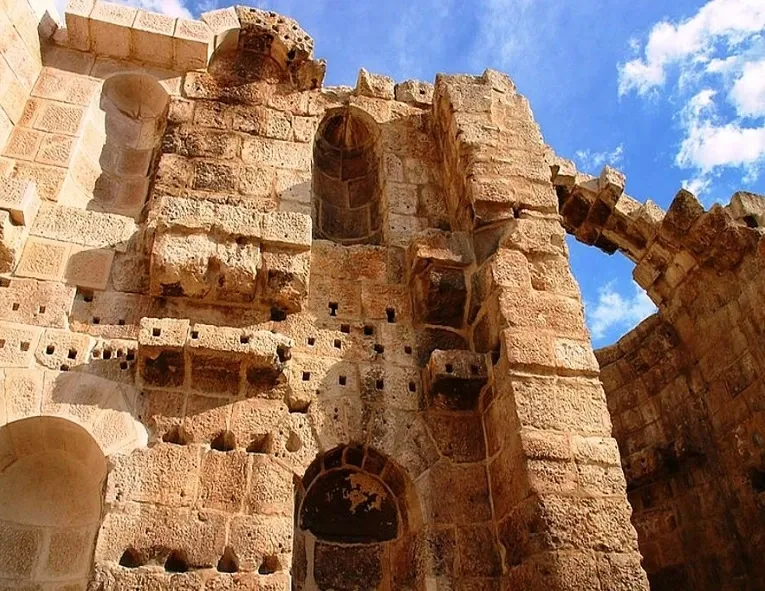
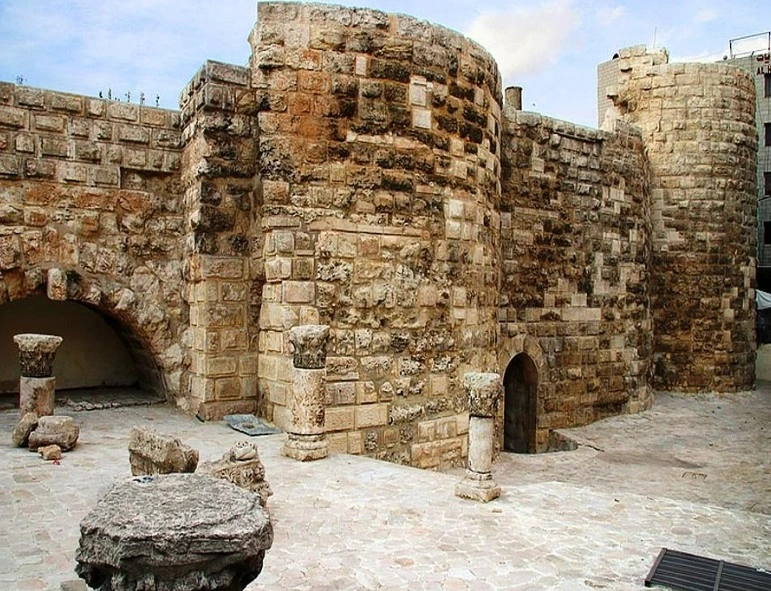
Although only parts of the original structure remain today, the Nymphaeum provides visitors with a glimpse into the sophisticated engineering and lifestyle of ancient Amman.
Quick Facts About The Nymphaeum at Amman Jordan
| Information | Details |
|---|---|
| Location | Downtown Amman, Jordan |
| Historical Period | Roman Period |
| Ancient City | Philadelphia |
| Type | Roman public fountain |
| Purpose | Water supply and social gathering place |
| Recommended Visit Duration | 20–40 minutes |
| Best Time to Visit | Spring and Autumn |
| Nearby Attractions | Roman Theater, Citadel, Downtown |
Location of The Nymphaeum at Amman Jordan
The Nymphaeum is located in the historic downtown area of Amman, close to some of the city’s most important archaeological attractions.
Its location makes it easy to combine with visits to:
- Amman Roman Theater
- Odeon
- Amman Citadel
- Jordan Archaeological Museum
- Downtown markets
The central location allows travelers to explore ancient Roman history while also experiencing the modern atmosphere of Amman.
Opening Hours and Entrance Information
The Nymphaeum area can usually be visited during daytime sightseeing hours.
Since it is an archaeological site located in the downtown area, visiting times may vary depending on:
- Local regulations
- Archaeological site schedules
- Special events
A short visit is usually enough to appreciate the remains, but travelers who enjoy history may want to spend more time exploring the surrounding Roman area.
History and Background of The Nymphaeum at Amman
The history of the Nymphaeum goes back to the Roman period when Amman was known as Philadelphia.
During Roman rule, the city developed into an important urban center with impressive public buildings and advanced infrastructure.
Romans considered water an essential part of city life. They built:
- Aqueducts
- Public baths
- Fountains
- Water systems
The Nymphaeum was created as a public fountain where residents could access water while also enjoying a beautiful architectural space.
The Importance of Nymphaeums in Roman Cities
Nymphaeums were not simple fountains. They represented the power, wealth, and engineering skills of Roman cities.
They served several purposes:
Public Water Source
The main purpose was providing water for local communities.
Social Gathering Place
People gathered around fountains to meet, talk, and spend time together.
Architectural Decoration
Many nymphaeums were decorated with:
- Columns
- Statues
- Stone designs
- Artistic details
They were designed to impress visitors and show the importance of the city.
Roman Amman and The Nymphaeum Connection
The Nymphaeum was part of a larger Roman urban area that included:
- The Roman Theater
- Public buildings
- Streets
- Markets
Together, these structures show how organized and advanced ancient Philadelphia was.
Visitors today can understand how Roman cities were planned around important public spaces.
Architecture of The Nymphaeum at Amman Jordan
The exact appearance of the original Nymphaeum has changed over time, but archaeological remains reveal the impressive design of Roman public architecture.
Typical Roman nymphaeums included:
- Large fountain structures
- Decorative walls
- Water channels
- Stone details
The design focused on combining practical water use with beauty and cultural importance.
What to Expect When Visiting The Nymphaeum at Amman Jordan
Visitors can expect a unique historical experience in one of Amman’s oldest areas.
Discover Ancient Roman Engineering
The site shows how Romans managed water systems and created advanced public spaces.
Explore Hidden History
Unlike larger monuments, the Nymphaeum offers a quieter experience where travelers can discover a lesser-known part of Amman’s history.
Combine It With Nearby Attractions
The best experience comes from visiting the Nymphaeum together with:
- Roman Theater
- Odeon
- Downtown Amman
Why Visit The Nymphaeum at Amman Jordan?
The Nymphaeum is special because it reveals the daily life of ancient Romans.
Many visitors focus on famous monuments, but places like the Nymphaeum tell the story of ordinary activities:
- Getting water
- Meeting others
- Enjoying public spaces
It provides a deeper understanding of how people lived in ancient Amman.
Crowds at The Nymphaeum at Amman Jordan
The Nymphaeum is usually a quieter historical stop compared with the famous Amman Roman Theater and Amman Citadel.
Because it is located in the downtown archaeological area, some visitors pass by while exploring the nearby attractions, but it generally does not feel crowded.
The busiest times are usually:
- Late morning
- Weekends
- Holiday seasons
- Peak tourist months
For the best experience:
- Visit early in the day
- Combine it with nearby Roman sites
- Take time to observe the details of the ruins
Its peaceful atmosphere makes it a nice addition to a historical walking tour in Amman.
Weather at The Nymphaeum at Amman Jordan
The Nymphaeum is an outdoor archaeological location, so the weather can affect your visit.
Spring (March to May)
Spring is one of the best seasons to explore Amman.
Advantages:
- Comfortable temperatures
- Pleasant walking conditions
- Great sightseeing weather
Summer (June to August)
Summer can be hot, especially in the afternoon.
Travel tips:
- Carry water
- Wear light clothing
- Use sunscreen
- Visit in the morning or evening
Autumn (September to November)
Autumn is another excellent season with mild weather and comfortable temperatures.
Winter (December to February)
Winter is cooler and visitors may experience rain.
A jacket is recommended for outdoor exploration.
Distance from The Nymphaeum to Nearby Attractions
The central location of The Nymphaeum makes it easy to explore Amman’s historical landmarks.
Approximate distances:
- Amman Roman Theater: Walking distance
- Odeon: A few minutes away
- Amman Citadel: Around 1 km
- Jordan Archaeological Museum: Around 1 km
- Downtown Amman: Nearby
- Queen Alia International Airport: Around 35 km
Many travelers visit The Nymphaeum as part of a full Amman historical tour.
Practical Travel Tips for Visiting The Nymphaeum
Combine Your Visit With the Roman Theater
The Nymphaeum is best experienced together with nearby Roman landmarks.
A combined visit helps you understand how ancient Philadelphia was organized.
Wear Comfortable Shoes
The area includes walking on historic surfaces, so comfortable footwear is recommended.
Visit During Cooler Hours
Morning and late afternoon are ideal times for outdoor sightseeing.
Bring a Camera
The ancient stones and surrounding historic atmosphere offer great photography opportunities.
Take a Guided Tour
A guide can explain:
- Roman water systems
- Ancient city planning
- The importance of public fountains
Learn About Roman History
Understanding the Roman period makes the visit much more meaningful.
Real Traveler Insights
One of our travelers mentioned:
"I did not expect to find such an interesting Roman site in the middle of Amman. The Nymphaeum was a peaceful place and helped me imagine what life was like in the ancient city."
Visitors often say:
"The Nymphaeum is not the biggest attraction in Amman, but it is a beautiful hidden part of the city’s Roman history."
Another traveler shared:
"Visiting the Nymphaeum after the Roman Theater made the whole Roman area feel connected. It was like discovering the daily life of ancient people."
Many travelers appreciate the site because it offers a different perspective beyond the larger monuments.
Interesting Facts About The Nymphaeum at Amman Jordan
- The Nymphaeum was part of the ancient Roman city of Philadelphia.
- It was designed as a public fountain and social space.
- Roman cities used nymphaeums as symbols of engineering and beauty.
- It reflects the importance of water management in ancient times.
- It is located near some of Amman’s most important historical attractions.
- It provides insight into everyday Roman life.
Frequently Asked Questions About The Nymphaeum at Amman Jordan
Is The Nymphaeum at Amman worth visiting?
Yes. It is a fascinating historical site for travelers interested in Roman architecture, archaeology, and ancient city life.
How long does it take to visit The Nymphaeum?
Most visitors spend around 20 to 40 minutes exploring the remains.
Where is The Nymphaeum located?
It is located in downtown Amman, near the Roman Theater and other historical attractions.
What was the purpose of The Nymphaeum?
It was a Roman public fountain used for water supply and as a gathering place.
Can I visit The Nymphaeum with Amman Roman Theater?
Yes. The two sites are located close to each other and are usually included together in city tours.
Is The Nymphaeum suitable for families?
Yes. Families can enjoy discovering ancient history and exploring the nearby attractions.
What is the best time to visit The Nymphaeum?
Spring and autumn are the best seasons, while morning and sunset are the best times of the day.
Final Thoughts
The Nymphaeum at Amman Jordan is a remarkable reminder of the city’s Roman past and the advanced lifestyle of ancient civilizations.
Although it may not be as famous as the Roman Theater or Amman Citadel, this historic fountain provides a unique look into everyday Roman life, architecture, and water engineering.
Located in the heart of modern Amman, the Nymphaeum represents the connection between the ancient city of Philadelphia and today’s Jordanian capital.
For travelers who want to discover hidden historical treasures and experience authentic cultural heritage, the Nymphaeum is a meaningful stop during any Amman tour.
Ready to explore the hidden Roman treasures of Amman and discover Jordan’s incredible history? Visit our Jordon Holiday Packages today and book your Jordan tour with expert guides for an unforgettable cultural experience.