
Nizwa Gate: Oman’s Historic City Entrance and Cultural Landmark
Standing as a sentinel to the historic city of Nizwa, Nizwa Gate is one of the most iconic entrances in the Sultanate of Oman. The gate, part of the ancient fortifications that once protected Nizwa, reflects the architectural ingenuity, military strategy, and cultural values of Oman in previous centuries. Serving both practical and symbolic purposes, Nizwa Gate has been a central feature of the city, marking the transition from the bustling streets and marketplaces within the walls to the surrounding lands beyond.
The gate is not only a point of entry but also a symbol of Nizwa’s historical importance as a religious, administrative, and economic hub. Its robust structure, decorative features, and strategic positioning near key landmarks make it a prominent destination for travelers, historians, and cultural enthusiasts visiting Oman.
Historical Background of Nizwa Gate
The history of Nizwa Gate is intertwined with the development of Nizwa as a city. Established as the capital of Oman during the era of the Ya'aruba dynasty in the 17th century, Nizwa required strong fortifications to protect against invading forces and maintain security over the fertile interior regions.
Nizwa Gate formed an essential component of these fortifications. Constructed from stone and mud bricks, it served as the main entrance to the walled city, controlling access for merchants, pilgrims, and local residents. Historical accounts suggest that gates like Nizwa Gate were guarded by soldiers who monitored both trade and security, ensuring the city remained safe while facilitating commerce.
Beyond its military function, Nizwa Gate also represented a ceremonial threshold. Leaders, scholars, and visitors passing through the gate would symbolically enter a center of learning, culture, and administration. This dual purpose of protection and prestige made the gate central to Nizwa’s identity.
Architecture and Design of Nizwa Gate
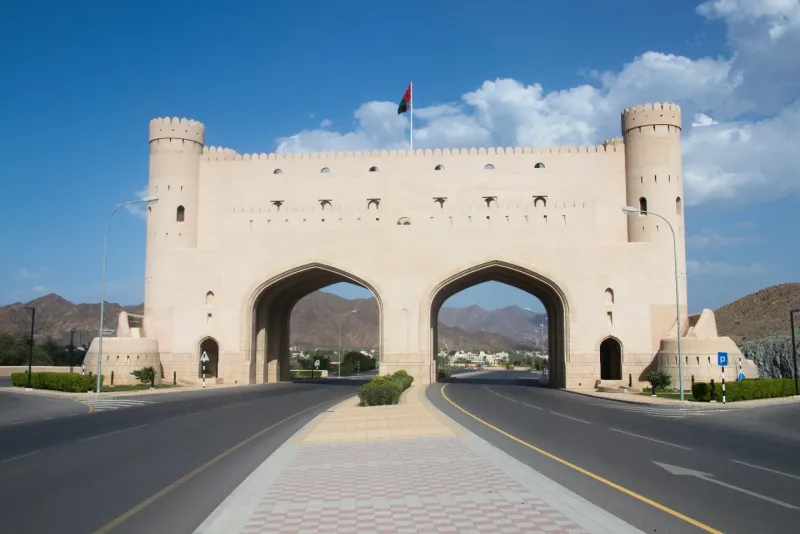
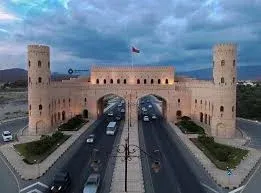
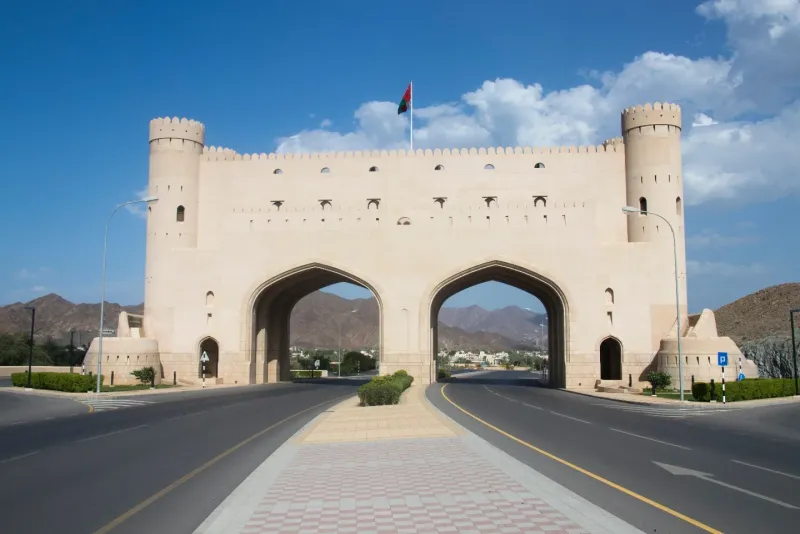
Nizwa Gate showcases traditional Omani fortification architecture, combining durability with aesthetic appeal. Its walls are thick, capable of withstanding attacks, while decorative elements such as arched entrances, carved wooden doors, and small lookout towers add to its visual significance.
The gate’s structure is strategically designed to allow defenders to monitor the surrounding landscape. Elevated platforms and narrow openings were used to observe approaching travelers and potential threats. Unlike modern gates, Nizwa Gate was built with a focus on both defensive capabilities and long-term resilience, using local materials that could withstand the harsh desert climate.
Inside the gate, one finds a passageway that narrows towards the interior, a design intended to slow invaders and provide an advantage to the city’s defenders. This layout also facilitated the regulation of trade, allowing merchants to be inspected and taxed as they entered the city.
Strategic Importance and Defense
In addition to its architectural features, Nizwa Gate played a key role in the defense and administration of Nizwa. The city’s location in the interior of Oman made it a central hub for trade, agriculture, and religious activity. By controlling entry through Nizwa Gate, local authorities could regulate movement, protect markets, and maintain order within the city walls.
The gate’s position near the Nizwa Fort enhanced its strategic significance. Together, the fort and gate formed a cohesive defensive system that monitored both the urban center and the surrounding lands. Historically, the fort and gate allowed the ruling elite to enforce security measures while demonstrating power and authority.
Cultural and Symbolic Significance
Nizwa Gate is not merely a functional structure; it embodies cultural and symbolic values. Passing through the gate historically signified entering a city of commerce, governance, and learning. Traders, pilgrims, and visitors recognized the gate as a marker of Nizwa’s prominence in Oman’s political and religious landscape.
The gate also represents the artistry and craftsmanship of Omani builders. Carved details, robust wooden doors, and ornamental arches reflect a synthesis of utility and beauty that is characteristic of Oman’s historical architecture.
The enduring presence of Nizwa Gate provides a tangible connection to the city’s past, allowing visitors to appreciate the social and cultural dynamics that shaped the region.
Nizwa Gate in Tourism Today
Today, Nizwa Gate is a major attraction for both domestic and international tourists. Its proximity to the famous Nizwa Fort makes it a convenient stop for travelers exploring the city’s historical sites. Visitors are drawn to its architectural elegance, historical significance, and the sense of entering a living piece of history.
Walking through the gate, travelers can envision the centuries of activity that passed beneath its arches—from bustling merchants and traders to scholars, pilgrims, and soldiers. The gate’s surroundings, including traditional souks and nearby streets, offer opportunities to experience authentic Omani culture, handicrafts, and culinary delights.
Exploring Nizwa Gate with Oman Tour Packages
For travelers looking to explore Oman in depth, Nizwa Gate is often included in curated tour packages. These tours provide structured access to the gate, nearby forts, traditional souks, and surrounding villages. Guides offer insights into the historical significance, architectural details, and cultural context of the gate, allowing visitors to fully appreciate its importance.
lets discover Nizwa Gate through our Oman tour packages, where guided tours provide immersive experiences, from the history of the fortifications to the vibrant life of the surrounding city.
Surrounding Attractions Near Nizwa Gate
Nizwa Gate is ideally positioned near other landmarks that enrich the visitor experience:
-
Nizwa Fort: The massive 17th-century fort adjacent to the gate provides insight into Oman’s military and political history.
-
Nizwa Souk: Traditional markets where travelers can explore local crafts, spices, and foods.
-
Local Villages: Nearby settlements offer cultural immersion and glimpses into traditional Omani lifestyles.
These surrounding attractions allow visitors to create comprehensive itineraries that combine heritage, culture, and scenic exploration.
Preservation and Modern Relevance
The Omani government has made significant efforts to preserve Nizwa Gate as part of the country’s cultural heritage. Restoration projects have focused on maintaining the structural integrity, architectural details, and historical authenticity of the gate.
Modern preservation includes careful study of original construction techniques, use of traditional materials, and protection against environmental damage. These measures ensure that visitors can experience the gate in a condition close to its historical form, while learning about the city’s past.
Visitor Tips for Nizwa Gate
Visitors to Nizwa Gate today enjoy a mix of historical insight and cultural immersion. Guided tours provide context about the gate’s construction, strategic purpose, and symbolic meaning. Travelers can photograph the impressive structure, explore nearby alleys, and observe daily life in Nizwa.
For extended trips, tour packages often include visits to other historical sites, scenic landscapes, and cultural experiences in Oman. These may include excursions to mountains, wadis, and desert landscapes, creating a rich and varied travel itinerary.
Final Thoughts: Experiencing Nizwa Gate
Nizwa Gate stands as a testament to Oman’s historical depth, architectural skill, and cultural richness. Its strategic location, robust construction, and symbolic importance make it a must-visit site for travelers exploring Nizwa.
By walking through its arches and examining its details, visitors gain insight into the city’s history, trade, governance, and daily life over centuries. Combining a visit to the gate with tours of nearby forts, souks, and villages ensures a well-rounded and immersive experience.
In conclusion: lets discover Nizwa Gate through our Oman tour packages, offering an unforgettable journey into the heart of Nizwa’s heritage.