
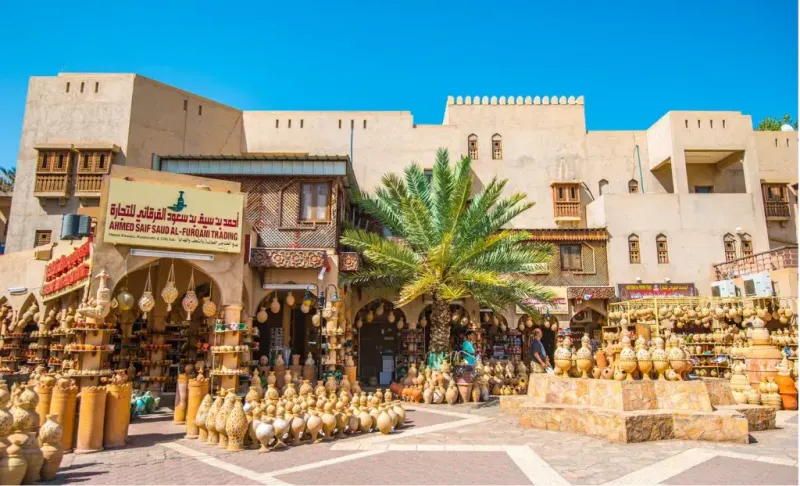
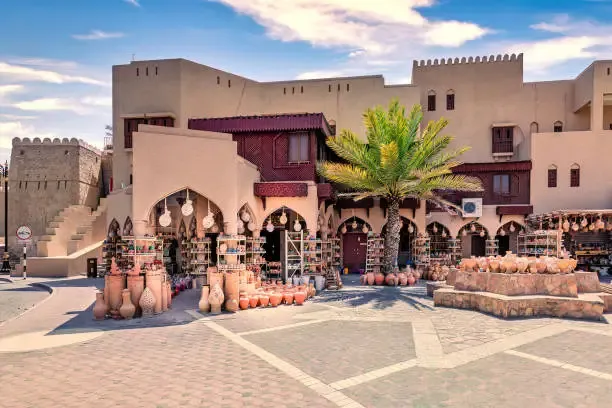
Located in the heart of Nizwa, Nizwa Souk is one of the oldest and most vibrant markets in the Sultanate of Oman. Nestled beside the historic Nizwa Fort, the souk has been a central hub for trade, culture, and social interaction for centuries. Its bustling alleys, colorful stalls, and aromatic scents capture the essence of traditional Omani life, making it a must-visit destination for travelers seeking to immerse themselves in the local culture.
Nizwa Souk is not merely a marketplace; it is a living museum of Omani heritage. Visitors can find a wide range of goods, from handmade silver jewelry, intricately woven textiles, traditional Khanjar daggers, and pottery to fresh dates, spices, and livestock. Each product tells a story of craftsmanship, history, and regional traditions passed down through generations. The market’s layout, organized yet vibrant, reflects centuries of trade practices that have shaped the social and economic fabric of Nizwa.
Historical Background
The origins of Nizwa Souk trace back several centuries, coinciding with the city’s rise as a political and religious center in Oman. During the era of the Ya'aruba dynasty in the 17th century, Nizwa emerged as the capital and religious hub of Oman. The souk developed alongside the famous Nizwa Fort, providing essential goods to residents, traders, and pilgrims visiting the city.
Historically, Nizwa Souk functioned as a key commercial node, linking the interior regions of Oman with coastal trade routes. Merchants traveled from remote villages and oases, bringing exotic goods from across Arabia, East Africa, and South Asia. The market served not only economic purposes but also social and cultural roles, acting as a meeting point for leaders, scholars, and common citizens.
The souk’s longstanding presence has cemented Nizwa’s reputation as a city of commerce, education, and cultural preservation. Even today, the market reflects the authenticity of Oman’s traditional lifestyle, offering travelers an immersive experience in the practices and products that have sustained the region for generations.
Layout and Architecture
Unlike modern shopping centers, Nizwa Souk is organized organically, reflecting historical trade patterns. The market is divided into specialized sections, each dedicated to specific types of goods. One area is renowned for its silver jewelry and traditional Khanjar daggers, symbols of Omani craftsmanship and cultural identity. Another section hosts textiles, pottery, and handicrafts, while the food section features fresh fruits, spices, and dates from nearby farms.
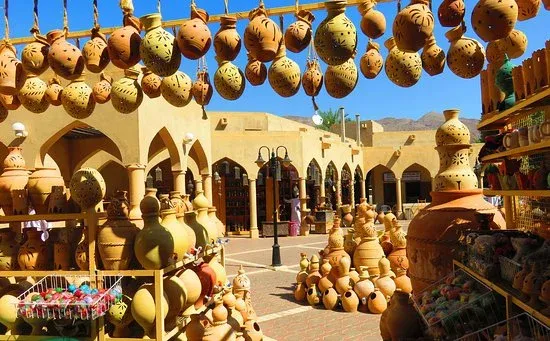
The architecture of the souk complements the nearby Nizwa Fort, with narrow alleys, covered pathways, and open courtyards that provide shade from the desert sun. Stone and mud-brick buildings give the market an earthy aesthetic, while wooden beams and latticed windows add both beauty and ventilation. Visitors often find themselves navigating winding paths that create a sense of discovery at every turn.
The spatial design encourages interaction between merchants and customers, with stalls often arranged to showcase the finest items prominently. This layout also preserves the traditional negotiation practices, where haggling is not only expected but considered part of the cultural experience.
Products and Specialties
Silver and Khanjar Daggers
Nizwa Souk is particularly famous for its Omani silver jewelry and Khanjar daggers. These daggers, traditionally worn by men during formal occasions, are handcrafted with meticulous detail. Each Khanjar features intricate silverwork, sometimes inlaid with semi-precious stones, reflecting centuries of artisan skill. The jewelry includes bracelets, necklaces, and rings, all reflecting traditional Omani designs passed down through generations.
Handicrafts and Pottery
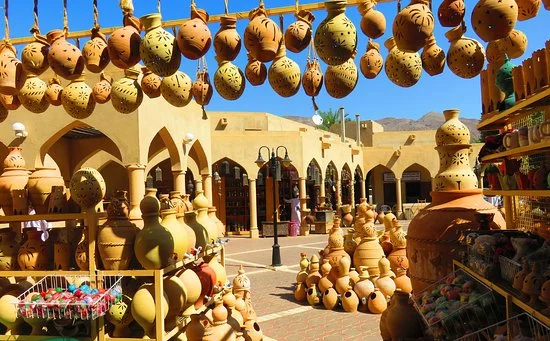
Visitors will also find a variety of handicrafts, including woven baskets, embroidered fabrics, and clay pottery. These items are often produced in nearby villages and brought to Nizwa for sale, allowing travelers to take home a piece of Omani heritage. Each item reflects the unique artistic style of the region, offering both functionality and aesthetic appeal.
Spices, Dates, and Local Produce
The souk’s food section is a feast for the senses. Fresh dates, a staple of the Omani diet, are sold alongside a wide array of aromatic spices. Farmers from surrounding villages bring their produce to market, ensuring freshness and quality. Visitors can sample or purchase items that are not only traditional but also a direct link to the country’s agricultural heritage.
Livestock and Traditional Goods
Certain areas of the market are dedicated to livestock, including goats, chickens, and camels, reflecting the pastoral lifestyle of Oman’s interior. This aspect of the souk allows visitors to observe practices that have been part of local life for centuries, providing insight into the economic and social systems of the past.
Cultural Significance
Nizwa Souk is more than a marketplace; it is a cultural institution. It reflects the rhythms of Omani life, from daily commerce to social gatherings. Historically, markets like Nizwa Souk were essential for communication between different tribal groups, facilitating negotiations, marriages, and alliances.
The souk also serves as a venue for storytelling, traditional music, and folk performances during festivals. These events strengthen community bonds and ensure the continuity of cultural traditions. The presence of Niwza beach excursions nearby adds an interesting dimension for visitors, allowing them to combine inland heritage experiences with relaxing coastal retreats.
Visiting Nizwa Souk
Visitors to Nizwa Souk can expect a multi-sensory experience. The vibrant colors, bustling sounds, and aromatic scents create an immersive environment that captures the essence of Oman. For tourists, guided tours are available, often combined with visits to nearby landmarks such as Nizwa Fort, Jabrin Castle, and traditional villages.
Walking through the souk, travelers can observe artisans at work, learn about Omani cuisine and trade, and interact with local merchants. The market is especially lively during Fridays, when a traditional livestock market also takes place.
For those interested in combining culture with leisure, excursions often include a stop at Niwza beach, offering a peaceful setting to unwind after exploring the busy souk. The contrast between the lively market and serene coastline provides a balanced travel experience that appeals to both history enthusiasts and leisure travelers.
Culinary Experiences
Food is a central part of Nizwa Souk. Visitors can sample traditional Omani dishes from small eateries and street vendors. Signature items include shuwa (slow-cooked lamb), fresh dates, and traditional sweets such as halwa. These culinary experiences offer a taste of local flavors while highlighting the rich agricultural heritage of Oman.
The market’s spice vendors provide another dimension to the culinary journey. Aromatic spices such as cinnamon, saffron, cardamom, and dried herbs are sold in vibrant displays. Travelers often leave with souvenirs of flavors to recreate Omani dishes at home.
Festivals and Events
Nizwa Souk hosts cultural events and festivals throughout the year. During special occasions, the souk becomes a stage for traditional music, dance performances, and local craft exhibitions. These events attract not only tourists but also locals, reinforcing the market’s role as a cultural and social hub.
Visitors can also witness traditional practices such as goat herding demonstrations, camel exhibitions, and artisanal workshops. These immersive experiences make Nizwa Souk a living museum where history, culture, and daily life converge.
Modern Tourism and Souk Preservation
In recent decades, the Omani government has invested in preserving the heritage of Nizwa Souk while accommodating modern tourism. Restoration projects have enhanced the market’s accessibility and safety without compromising its historical character.
Tour operators often combine visits to Nizwa Souk with other attractions, including heritage villages, forts, and coastal areas. Travelers are encouraged to explore Niwza beach excursions alongside cultural tours, offering a combination of history, leisure, and scenic beauty.
Souk preservation ensures that traditional crafts, culinary practices, and social interactions continue to thrive, providing future generations with an authentic experience of Omani culture.
Shopping Tips and Etiquette
Visitors should be prepared to negotiate prices, a customary practice in traditional Omani markets. Engaging respectfully with merchants is appreciated, and learning a few local phrases can enhance the shopping experience.
Timing your visit early in the morning allows you to experience the market at its liveliest and beat the afternoon heat. Exploring hidden alleys may reveal unique handmade goods not found in more tourist-oriented areas.
Tourists are also encouraged to explore beyond the main sections to discover cultural nuances, interact with local artisans, and enjoy authentic culinary treats. Combining your souk visit with a day trip to Niwza beach provides both cultural enrichment and relaxation.
Middle Section – Tours and Exploration
For travelers seeking a structured experience, Oman tour packages often include Nizwa Souk as a highlight. These packages may feature guided tours, cultural workshops, and historical storytelling, providing a comprehensive understanding of the city’s heritage.
Whether you are interested in traditional crafts, historic architecture, or culinary exploration, guided experiences enrich your visit. In the middle of such itineraries, it becomes clear how Nizwa Souk functions as a cultural crossroads where past and present meet.
lets discover Nizwa Souk through our Oman tour packages – a phrase that emphasizes the curated exploration of history, culture, and lifestyle in one immersive journey.
Surrounding Attractions
Nizwa Souk is ideally located near several historic and scenic sites:
-
Nizwa Fort – The historic fortress next to the souk offers panoramic views and insight into Oman’s defensive architecture.
-
Jabrin Castle – A short drive from Nizwa, this castle features intricate frescoes and beautifully preserved interiors.
-
Niwza beach – Coastal excursions nearby provide a scenic retreat after exploring the city’s historic interior.
These surrounding attractions complement the souk experience, allowing travelers to combine cultural exploration with natural beauty. Visitors often spend a day in the market followed by leisure time at the nearby coast or in the desert landscapes surrounding Nizwa.
Cultural Immersion and Local Experiences
Walking through Nizwa Souk provides more than shopping; it is an immersive cultural journey. Travelers encounter traditional storytelling, music, and social interactions that reveal the lifestyle of Omani people.
Children playing, artisans crafting, and merchants negotiating are all part of the authentic atmosphere. This immersion offers a richer perspective than mere sightseeing, allowing visitors to feel connected to the city and its people.
Many travelers also engage with local culinary classes, silver workshops, or guided tours explaining the historical significance of the souk’s different sections. These experiences enhance understanding and appreciation of Omani heritage.
Final Thoughts
Nizwa Souk represents the essence of Oman’s historical and cultural identity. Its vibrant marketplace, traditional crafts, culinary delights, and surrounding heritage sites make it an essential destination for travelers seeking authenticity and immersion.
For those planning a visit, combining the souk with tours of Nizwa Fort, nearby castles, and coastal excursions such as Niwza beach creates a diverse and memorable itinerary. The market continues to thrive, preserving centuries of trade practices, artisanal craftsmanship, and cultural traditions.
In conclusion, exploring this lively market offers travelers a unique opportunity to connect with Omani history, community, and heritage.
lets discover Nizwa Souk through our Oman tour packages, where culture, tradition, and scenic beauty come together to create an unforgettable experience.