

History of Oman: A Journey Through Time and the Story of Muscat Oman History
The history of Oman is one of the richest and most fascinating in the Arabian Peninsula. Stretching back thousands of years, Oman’s story is shaped by trade, seafaring, tribal leadership, empire-building, and cultural preservation. From ancient frankincense routes to powerful maritime influence across East Africa, Oman developed a unique identity that still defines the country today.
At the heart of this history lies the capital city. Understanding Muscat Oman history reveals how the city evolved from a small coastal settlement into a strategic maritime hub and, eventually, the modern capital of a thriving nation.
This comprehensive guide explores Oman’s ancient civilizations, Islamic heritage, Portuguese occupation, maritime empire, modern transformation, and the role of Muscat in shaping the nation’s identity.
Ancient History of Oman
Early Civilizations (3000 BCE and Earlier)
Archaeological evidence shows that the history of Oman dates back over 5,000 years. Ancient Oman was known as “Magan” in Sumerian texts. It was famous for copper production and maritime trade.
Oman’s strategic location along the Arabian Sea made it an essential trade link between Mesopotamia, the Indus Valley, and East Africa. Excavations in sites such as Bat and Al-Khutm reveal ancient settlements and burial towers that highlight advanced early societies.
Oman’s early inhabitants were skilled sailors, traders, and metalworkers — traits that would define the country for centuries.
Oman and the Frankincense Trade
One of the most important chapters in the history of Oman is the frankincense trade. The Dhofar region, in southern Oman, produced some of the finest frankincense in the ancient world.
Frankincense was highly valued in ancient Egypt, Rome, Greece, and Persia for religious rituals and perfumes. Caravans transported it through desert routes to Mediterranean ports.
This trade brought wealth and international recognition to Oman and helped establish early trade networks that strengthened its regional influence.
The Arrival of Islam
In the 7th century, Oman embraced Islam peacefully during the lifetime of the Prophet Muhammad. This marked a turning point in the history of Oman, shaping its religious, political, and social structures.
Oman adopted the Ibadi branch of Islam, which remains dominant in the country today. The Ibadi tradition emphasized consultation, justice, and leadership through consensus.
This system contributed to Oman’s stability and independence compared to other regions in the Arabian Peninsula.
Muscat Oman History: The Rise of a Coastal Capital
Early Muscat
The story of Muscat Oman history begins as a small fishing village nestled between mountains and the sea. Its natural harbor made it an ideal maritime port.
Muscat’s location allowed it to control trade routes through the Gulf of Oman and the Arabian Sea.
By the 9th century, Muscat had developed into an important trading center connecting Arabia, India, and East Africa.
Portuguese Occupation (1507–1650)
One of the most dramatic periods in both the history of Oman and Muscat Oman history was the Portuguese occupation.
In 1507, Portuguese forces captured Muscat to control trade routes to India. They built strong coastal fortifications, including:
-
Al Jalali Fort
-
Al Mirani Fort
These forts still stand today as symbols of that era.
The Portuguese ruled Muscat for over a century, using it as a base for maritime operations.
However, in 1650, Omani forces successfully expelled the Portuguese, marking a major victory and the beginning of Oman’s rise as a maritime power.
The Omani Maritime Empire
Following the Portuguese expulsion, Oman entered a golden age. The 17th and 18th centuries saw the rise of a powerful Omani maritime empire.
Omani fleets expanded influence along:
-
The East African coast
-
Zanzibar
-
Parts of Pakistan
-
The Persian Gulf
Zanzibar even became part of the Omani Sultanate for a period.
This expansion made Oman one of the most influential naval powers in the Indian Ocean.
Muscat became a vital administrative and trading center during this era.
Muscat as the Capital
In the 18th century, Muscat became the political capital of Oman under the Al Said dynasty, which continues to rule today.
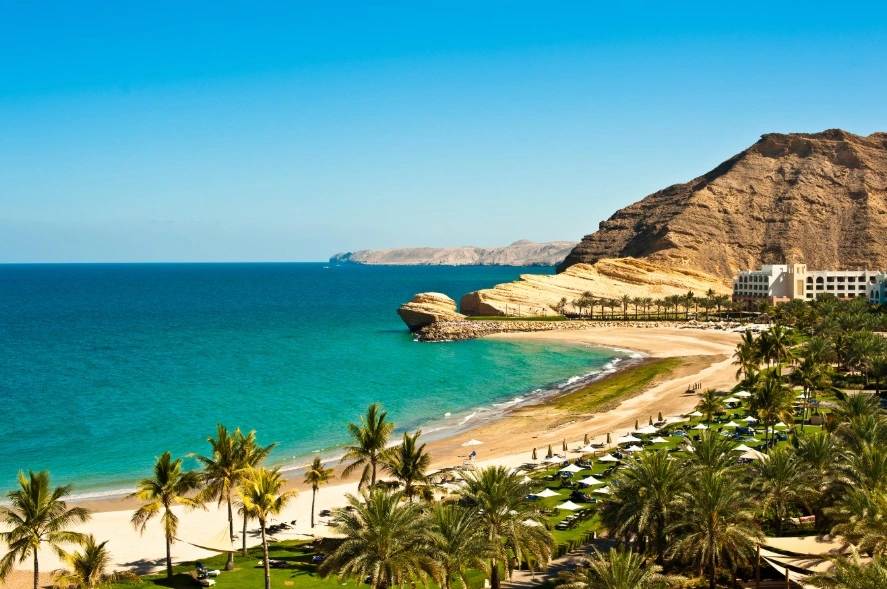
Muscat’s natural harbor, mountain protection, and maritime importance made it ideal as the capital.
The city grew as a diplomatic center, maintaining relations with Britain, India, and East Africa.
The 19th and Early 20th Century
During the 19th century, Oman’s influence gradually declined due to regional conflicts and global political changes.
Internal divisions and economic challenges affected development.
However, Muscat remained the political heart of the country.
The 20th century brought limited modernization, and much of Oman remained traditional and isolated.
The Renaissance of Oman (1970 Onward)
A defining moment in the history of Oman came in 1970, when Sultan Qaboos bin Said assumed leadership.
He initiated what is often called the “Omani Renaissance,” transforming the country through:
-
Infrastructure development
-
Education expansion
-
Healthcare improvements
-
Modern governance
Muscat rapidly developed into a modern capital while preserving traditional architecture.
Today, Muscat combines history with contemporary elegance.
Historical Landmarks in Muscat
To understand Muscat Oman history, visitors should explore:
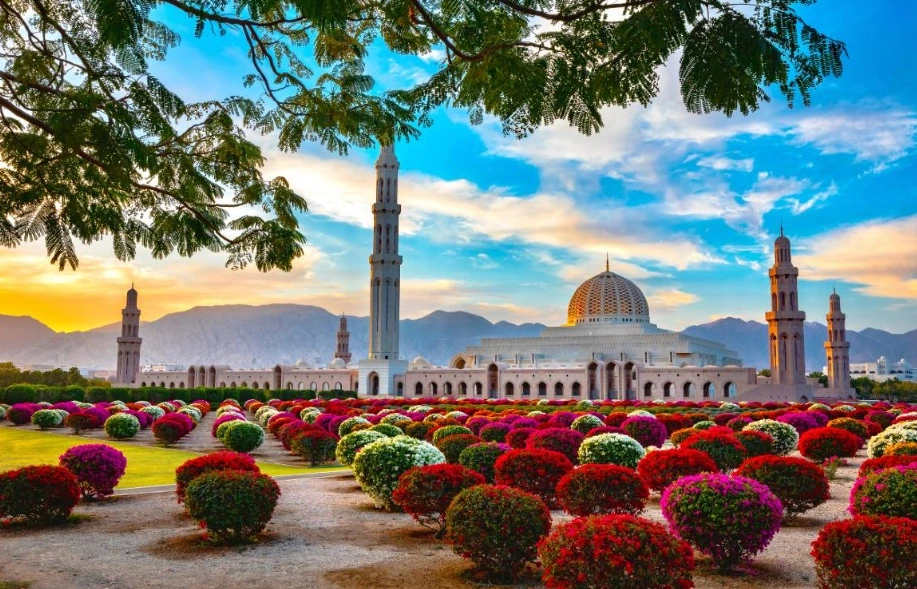
Sultan Qaboos Grand Mosque
A symbol of modern Oman reflecting Islamic architecture and cultural pride.
Mutrah Souq
One of the oldest markets in the Arab world, showcasing traditional Omani trade heritage.
Al Jalali and Al Mirani Forts
Portuguese-era forts guarding Muscat’s harbor.
Bait Al Zubair Museum
Offering insights into Omani culture and history.
These landmarks tell the story of Muscat’s evolution from fishing village to global port.
Oman’s Cultural Identity
The history of Oman shaped a culture rooted in:
-
Maritime skill
-
Trade diplomacy
-
Religious tolerance
-
Tribal unity
-
Architectural preservation
Oman avoided rapid urbanization seen elsewhere in the Gulf, choosing instead to preserve identity and heritage.
Why Oman’s History Is Unique
Unlike many nations in the region:
-
Oman was never fully colonized for long periods.
-
It maintained strong independence.
-
It built a maritime empire beyond Arabia.
-
It preserved traditional architecture and culture.
This independence shaped a balanced and peaceful society.

Visiting Historical Sites in Oman
Travelers can explore:
-
Nizwa Fort
-
Bahla Fort (UNESCO World Heritage Site)
-
Rustaq Fort
-
Ancient frankincense sites in Dhofar
-
Coastal heritage towns
Each location adds depth to understanding Oman’s story.
Muscat Today: Tradition Meets Modernity
Modern Muscat reflects the country’s philosophy of controlled development.
You will not find towering skyscrapers dominating the skyline. Instead, white buildings, mosques, and coastal roads create harmony between tradition and progress.
Muscat remains:
-
A political capital
-
A cultural center
-
A diplomatic hub
-
A gateway to Oman’s history
Final Thoughts: The Living History of Oman
The history of Oman is not just found in books — it lives in its forts, souqs, mosques, and coastal towns. From ancient copper traders and frankincense caravans to Portuguese battles and maritime empires, Oman’s journey is one of resilience and cultural pride.
Understanding Muscat Oman history helps travelers appreciate the capital’s transformation from a small harbor to a modern city rooted in heritage.
Oman offers visitors a rare chance to explore authentic Arabian history while enjoying modern comfort and safety.
Discover Oman’s History with Us
Ready to explore the fascinating history of Oman and uncover the stories of Muscat’s past?
Visit our website today to book your customized historical tour of Oman. Explore ancient forts, walk through traditional souqs, and experience Muscat’s rich heritage with expert local guides. Let us create an unforgettable cultural journey for you