
Popular 5 Mosques in Cairo: History, Architecture & Visitor Guide
“When I first explored Cairo, I was amazed by how the city’s mosques seemed to tell stories from different centuries. Some stood quietly between busy streets, while others rose above the skyline with impressive domes and minarets. Walking through their courtyards, admiring the detailed decorations, and learning about the people who built them gave me a completely different understanding of Egypt. Visiting Cairo’s historic mosques is not simply a sightseeing activity; it is a journey through the city’s religious, cultural, and architectural heritage.”
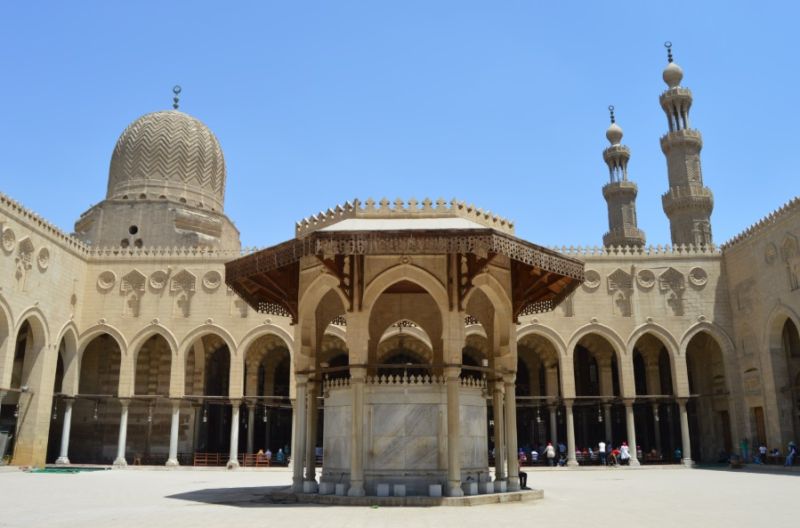
Cairo is home to some of the most remarkable Islamic monuments in the world. From the historic halls of Al-Azhar Mosque to the impressive Ottoman-style architecture of Muhammad Ali Mosque, each landmark reflects a different period in Egyptian history.
If you are planning a cultural trip, exploring the popular 5 mosques in Cairo is an excellent way to discover the city's architectural beauty, spiritual traditions, and fascinating past. These mosques are also important parts of Historic Cairo, an area recognized by UNESCO for its outstanding cultural and architectural heritage.
In this guide, you will discover five of Cairo's most famous mosques, what makes each one special, their historical backgrounds, what to expect during your visit, and useful travel tips to help you plan your experience.
Quick Facts: Visiting the Popular 5 Mosques in Cairo
Before exploring the mosques, here are some useful details to help you organize your visit.
| Travel Detail | Information |
|---|---|
| Destination | Cairo, Egypt |
| Main areas | Islamic Cairo, Old Cairo, and the Citadel |
| Recommended mosques | Al-Azhar, Ibn Tulun, Sultan Hassan, Al-Rifa'i, and Muhammad Ali |
| Suggested visiting time | One or two days |
| Best time to visit | October to April |
| Opening hours | Vary by mosque, prayer schedule, and visitor arrangements |
| Entrance fees | Some mosques are free to enter, while others are included in archaeological site tickets |
| Recommended duration | Around 30–60 minutes per mosque |
| Clothing | Modest clothing covering shoulders and knees |
| Photography | Rules vary by location and prayer activity |
Important visitor information: Opening times, access arrangements, and ticket prices can change. Some mosques remain active places of worship, so tourist access may be restricted during prayer times or religious occasions. Check the latest information before visiting.
A Brief History of Cairo's Mosques
Cairo's Islamic architectural heritage developed over more than a thousand years. The city's history includes the Fatimid, Ayyubid, Mamluk, Ottoman, and modern periods, each contributing distinctive architectural styles and religious institutions.
Cairo became the capital of the Fatimid Caliphate in 969 AD. During this period, important religious and educational institutions were established, including Al-Azhar Mosque, which later developed into one of the most influential centers of Islamic learning.
The Ayyubid period brought further changes to the city, while the Mamluk era became especially famous for monumental mosques, religious schools, decorated facades, impressive domes, and elaborate courtyards. Many of Cairo's most admired Islamic buildings date from this period.
During the Ottoman period, new architectural influences appeared, including large domes, slender minarets, and spacious prayer halls. Muhammad Ali Mosque at the Citadel is one of the best-known examples of this style.
Today, these buildings are more than historical attractions. They continue to represent Cairo's identity, religious traditions, and architectural achievements. UNESCO recognizes Historic Cairo as a World Heritage Site because of its exceptional collection of Islamic monuments and urban heritage.
1. Al-Azhar Mosque: A Historic Center of Islamic Learning
Al-Azhar Mosque is one of the most important religious and educational landmarks in Cairo. Located in the heart of Islamic Cairo, it has played a major role in the city's religious and intellectual history for more than a thousand years.
History of Al-Azhar Mosque
Construction began in 970 AD under the Fatimid ruler Al-Mu'izz li-Din Allah, with Jawhar al-Siqilli supervising the establishment of the new city and its main religious institutions. The mosque was completed in 972 AD and became a center for religious teaching.
Over the centuries, Al-Azhar underwent several expansions and renovations. Different rulers and patrons added architectural features, prayer spaces, gates, and minarets. These additions created a complex architectural appearance that reflects different historical periods.
Although its original role was connected with Fatimid religious teaching, Al-Azhar later became a major center of Sunni Islamic scholarship. Its educational influence extended far beyond Egypt.
What to Expect at Al-Azhar Mosque
Visitors can admire the mosque's spacious courtyard, elegant arcades, historic entrances, and distinctive minarets. The architecture reflects a combination of styles developed over many centuries.
The atmosphere is particularly interesting because Al-Azhar is not simply a monument preserved for tourists. It remains an active religious and educational institution.
You may see worshippers, students, and visitors sharing the same historic surroundings. This gives the mosque a living atmosphere that makes the experience different from visiting a traditional museum.
Why Visit Al-Azhar Mosque?
-
Discover one of Cairo's oldest and most important mosques.
-
Learn about the history of Islamic education.
-
Admire architectural details from different periods.
-
Explore the surrounding streets of Islamic Cairo.
-
Combine your visit with nearby historic attractions.
Travel tip: Al-Azhar is close to several famous attractions, including Khan El Khalili Bazaar and Al-Muizz Street. It is an excellent starting point for exploring the historic district.
2. Ibn Tulun Mosque: A Masterpiece of Early Islamic Architecture
The Mosque of Ibn Tulun is one of Cairo's most impressive historic religious buildings. It is especially famous for its large open courtyard, distinctive architectural design, and unusual spiral minaret.
Located in the Sayeda Zeinab district, the mosque offers a quieter experience compared with some of the busier attractions in central Islamic Cairo.
History of Ibn Tulun Mosque
The mosque was commissioned by Ahmad Ibn Tulun, the founder of the Tulunid dynasty in Egypt. Construction took place between 876 and 879 AD.
It was built as a congregational mosque where the Muslim community could gather for Friday prayers. Its large size reflected the ambitions of Ibn Tulun and the importance of his new administrative center.
The mosque is considered one of the oldest surviving mosques in Cairo that has retained much of its original architectural character.
UNESCO highlights Ibn Tulun Mosque as an outstanding example of early Islamic architecture, particularly because of its spacious courtyard, symmetrical arcades, and spiral minaret.
What to Expect at Ibn Tulun Mosque
The first feature that catches many visitors' attention is the large central courtyard. Surrounded by arcades, it creates an impressive sense of space and simplicity.
The mosque's spiral minaret is its most recognizable feature. Its unusual design makes it different from many other minarets in Cairo and provides an interesting subject for photography.
Inside, visitors can appreciate the simple decorative details, historic walls, and peaceful atmosphere. The architecture is less crowded with decoration than some later Mamluk monuments, allowing the overall design to stand out.
Why Visit Ibn Tulun Mosque?
-
See one of Cairo's oldest surviving Islamic monuments.
-
Admire the famous spiral minaret.
-
Explore a large historic courtyard.
-
Discover early Islamic architectural traditions.
-
Enjoy a quieter cultural stop away from some of the busiest tourist streets.
Travel tip: Allow around 45–60 minutes to explore the mosque. Wear comfortable shoes and check whether the minaret is accessible before planning to climb it.
3. Sultan Hassan Mosque: A Monument of Mamluk Architecture
The Mosque and Madrasa of Sultan Hassan is one of the most impressive Islamic monuments in Cairo. Located in Salah El-Din Square, near the Citadel, it is famous for its monumental scale, enormous entrance, and beautifully designed interior spaces.
The building is particularly important because it combines the functions of a mosque and an educational institution.
History of Sultan Hassan Mosque
Construction began in 1356 AD during the Mamluk period under Sultan Hassan, the son of Sultan Al-Nasir Muhammad.
The project was ambitious, and the building became one of the largest religious complexes of its time. It was designed to accommodate religious teaching associated with the four major Sunni schools of Islamic law.
The mosque's location near the Citadel also made it an important part of Cairo's political and architectural landscape.
Over the centuries, the building experienced periods of damage, restoration, and changing uses. Nevertheless, it remains one of the most celebrated examples of Mamluk architecture.
What to Expect at Sultan Hassan Mosque
The enormous entrance is one of the first details visitors notice. Its scale and decoration create a dramatic introduction to the building.
Inside, the central courtyard is surrounded by four large iwans, which are vaulted halls open on one side. Each is associated with one of the four Sunni schools of Islamic jurisprudence.
The architecture is characterized by high walls, stone details, decorated surfaces, and carefully arranged spaces. Visitors can appreciate how the building was designed to serve both religious and educational purposes.
The scale of the interior is particularly impressive, making it one of the most memorable stops among the popular 5 mosques in Cairo.
Why Visit Sultan Hassan Mosque?
-
Experience one of the finest examples of Mamluk architecture.
-
Admire its monumental entrance and impressive courtyard.
-
Discover the historical connection between religion and education.
-
Learn about the architectural achievements of the Mamluk period.
-
Visit two major historic monuments in the same square.
Travel tip: Sultan Hassan Mosque stands opposite Al-Rifa'i Mosque. Visiting both together is one of the easiest ways to explore Cairo's historic religious architecture.
4. Al-Rifa'i Mosque: Royal Tombs and Elegant Architecture
Al-Rifa'i Mosque is one of Cairo's most recognizable religious landmarks. Located opposite Sultan Hassan Mosque in Salah El-Din Square, it is known for its impressive exterior, elegant interior decorations, and royal burial chambers.
Although it stands beside a much older Mamluk monument, Al-Rifa'i represents a later chapter in Egypt's architectural history.
History of Al-Rifa'i Mosque
The mosque's construction was commissioned in the nineteenth century by Khoshiar Hanim, the mother of Khedive Ismail. The project was intended to create a monumental religious building and a mausoleum for members of the Muhammad Ali dynasty.
Construction began in 1869, but the project experienced delays and was completed in the early twentieth century.
The building combines traditional Islamic architectural elements with materials and influences associated with the nineteenth-century period. Its use of marble, detailed decoration, and monumental proportions makes it especially distinctive.
Al-Rifa'i Mosque is also historically important because several members of Egypt's former royal family are buried there, including King Farouk and King Fuad I.
What to Expect at Al-Rifa'i Mosque
The mosque's impressive entrance, large prayer hall, decorated columns, and detailed interior surfaces create a memorable visitor experience.
One of its most significant features is the royal mausoleum section. Visitors may learn about the members of the Muhammad Ali dynasty who were buried within the complex.
The atmosphere differs from that of older Mamluk mosques. Its architecture reflects a period when Egypt was experiencing major political, cultural, and architectural changes.
Why Visit Al-Rifa'i Mosque?
-
Discover the burial place of several members of Egypt's former royal family.
-
Admire nineteenth-century Islamic architecture.
-
Explore its decorated prayer hall and marble details.
-
Learn about the history of the Muhammad Ali dynasty.
-
Combine the visit with Sultan Hassan Mosque.
Travel tip: Allow around 30–45 minutes for your visit, depending on access to the different sections. Be respectful of worshippers and follow any restrictions around the mausoleum.
5. Muhammad Ali Mosque: The Alabaster Mosque at the Citadel
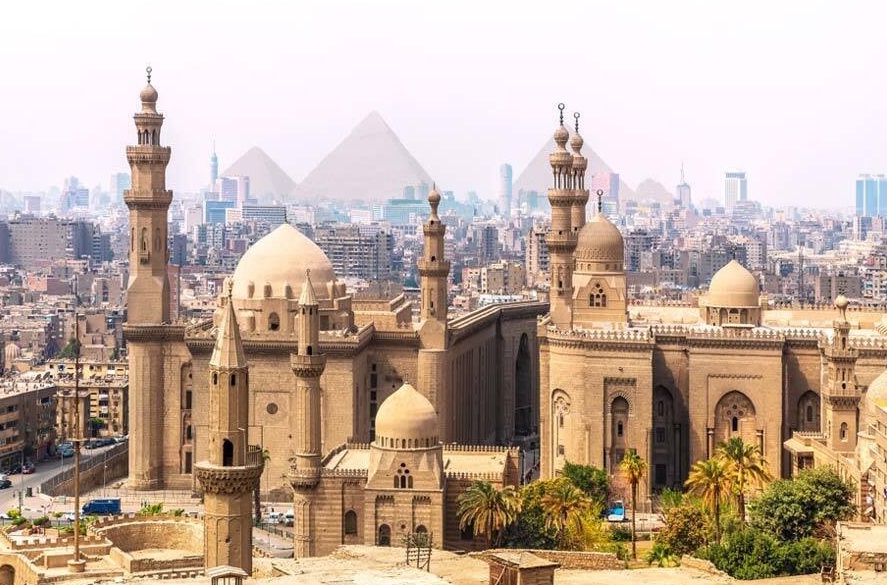
Muhammad Ali Mosque is one of Cairo's most famous landmarks and a major highlight of the Citadel of Salah El-Din. Often called the Alabaster Mosque because of the extensive use of alabaster in its decoration, it stands above the city and offers impressive views of Cairo.
Its large central dome and surrounding semi-domes make it one of the most recognizable buildings in the Egyptian capital.
History of Muhammad Ali Mosque
The mosque was commissioned by Muhammad Ali Pasha in the nineteenth century as part of his ambitious building projects in Egypt.
Construction began in 1830 and continued for several years. The mosque was designed by the architect Yusuf Bushnaq, who drew inspiration from Ottoman imperial mosque architecture.
The building's style is strongly influenced by the great mosques of Istanbul, particularly in its domes, minarets, and spacious interior.
Muhammad Ali Mosque was built within the Citadel, a historic fortress that had served as an important center of government and defense for centuries.
What to Expect at Muhammad Ali Mosque
The mosque's exterior is dominated by a large central dome surrounded by smaller domes and semi-domes. Its two tall minarets are among its most recognizable features.
Inside, visitors can admire the spacious prayer hall, large chandeliers, decorated surfaces, and impressive dome. The alabaster-covered walls contribute to the building's distinctive appearance.
One of the highlights is the panoramic view from the Citadel. On clear days, visitors can see large parts of Cairo, including historic neighborhoods and modern areas.
Why Visit Muhammad Ali Mosque?
-
Discover one of Cairo's most famous architectural landmarks.
-
Admire Ottoman-inspired mosque design.
-
Explore the historic Citadel of Salah El-Din.
-
Enjoy panoramic views across Cairo.
-
Learn about the reign and building projects of Muhammad Ali Pasha.
Travel tip: The mosque is inside the Citadel complex, so allow extra time to explore the surrounding fortress and its other attractions. The Citadel entrance ticket is separate from some other mosque visits.
What to Expect When Visiting Cairo's Historic Mosques
Visiting the popular 5 mosques in Cairo offers a combination of architectural discovery, cultural learning, and opportunities to experience local religious traditions.
However, each mosque has its own atmosphere and visitor arrangements.
Architecture from Different Historical Periods
One of the most interesting aspects of visiting these mosques is noticing how their architectural styles differ.
Al-Azhar reflects the development of Fatimid Cairo and centuries of later additions. Ibn Tulun preserves important features of early Islamic architecture. Sultan Hassan and Al-Rifa'i showcase different phases of Cairo's monumental religious architecture, while Muhammad Ali Mosque reflects strong Ottoman influences.
Together, these buildings offer an introduction to more than a thousand years of architectural history.
Active Religious Spaces
Remember that mosques are places of worship, not only tourist attractions. You may encounter people praying, studying, or attending religious activities.
Visitors should remain quiet, avoid interrupting worshippers, and follow instructions from mosque staff.
Crowds and Visitor Atmosphere
Crowd levels depend on the mosque, day of the week, religious calendar, and tourist season.
Al-Azhar and the surrounding historic district can become busy, especially around prayer times and during religious celebrations. The Citadel also attracts many visitors because of its historical importance and city views.
Sultan Hassan and Al-Rifa'i are convenient to visit together, although their shared location can attract groups and tour visitors.
For a more relaxed experience, consider visiting earlier in the day when tourist access is available.
Distances and How to Explore the Five Mosques
The five mosques are spread across different parts of Cairo, so planning your route can save time.
| Mosque | Area | Nearby Attraction |
|---|---|---|
| Al-Azhar Mosque | Islamic Cairo | Khan El Khalili and Al-Muizz Street |
| Ibn Tulun Mosque | Sayeda Zeinab | Gayer-Anderson Museum |
| Sultan Hassan Mosque | Salah El-Din Square | Al-Rifa'i Mosque |
| Al-Rifa'i Mosque | Salah El-Din Square | Sultan Hassan Mosque |
| Muhammad Ali Mosque | Cairo Citadel | Citadel museums and viewpoints |
Sultan Hassan and Al-Rifa'i are directly opposite each other, making them easy to combine in one stop.
Al-Azhar can be combined with Khan El Khalili and Al-Muizz Street. Ibn Tulun is in a different area and is best visited with nearby attractions. Muhammad Ali Mosque requires a separate stop at the Citadel.
Actual travel times depend heavily on traffic. Cairo roads can become congested during morning and afternoon commuting periods, so a private vehicle with a planned route can make the day more comfortable.
Practical Travel Tips for Visiting Mosques in Cairo
A little preparation can make your visits more enjoyable and respectful.
1. Wear Modest Clothing
Choose clothing that covers your shoulders and knees. Women should carry a scarf in case head covering is requested. Some mosques may have additional clothing requirements.
2. Check Visiting Hours
Tourist access may be different from prayer schedules. Opening hours can change during Ramadan, public holidays, and special religious occasions.
Confirm the arrangements before setting out, especially if you are visiting several mosques in one day.
3. Respect Prayer Times
Avoid walking through prayer areas during active prayers unless visitor access is clearly permitted. Keep your voice low and do not interrupt worshippers.
4. Ask Before Taking Photographs
Photography rules differ between locations. Some areas may restrict photography, flash, or professional equipment. Always follow signs and staff instructions.
5. Remove Your Shoes When Required
Visitors may be asked to remove their shoes before entering certain prayer areas. Carrying clean socks can make the experience more comfortable.
6. Bring Water and Comfortable Shoes
Cairo sightseeing involves walking, standing, and sometimes climbing steps. Comfortable footwear and drinking water are especially important during warmer months.
7. Plan Around the Weather
October to April is generally a comfortable period for outdoor sightseeing in Cairo. Summer can be very hot, so early visits and breaks in shaded areas are recommended.
8. Carry Some Cash
Although many major attractions have ticket offices, it is useful to carry some Egyptian pounds for small purchases, local transport, or other incidental expenses.
Best Time to Visit the Popular 5 Mosques in Cairo
The best months for exploring Cairo's historic mosques are generally October through April, when temperatures are usually more comfortable for walking and outdoor sightseeing.
During the summer months, particularly June, July, and August, temperatures can rise considerably. If you visit during this period, schedule outdoor activities early in the morning and avoid long walks in the midday heat.
Winter offers pleasant sightseeing conditions, although evenings can be cooler. A light jacket is useful, particularly if you plan to explore the city after sunset.
Ramadan can also be a special time to experience Cairo's religious and cultural atmosphere. However, mosque access and attraction schedules may change, so visitors should check arrangements in advance.
Suggested One-Day Itinerary: Five Famous Mosques in Cairo
If you have one full day available, you can organize your visit around the main historic areas. Because Cairo traffic and access restrictions can affect the schedule, the order should be adjusted when necessary.
Morning: Al-Azhar Mosque and Islamic Cairo
Begin with Al-Azhar Mosque and explore the surrounding historic streets. If time allows, enjoy a walk near Khan El Khalili and Al-Muizz Street.
Late Morning: Ibn Tulun Mosque
Continue to Ibn Tulun Mosque to admire its spacious courtyard and spiral minaret. You can also explore nearby historic attractions if they are open.
Afternoon: Sultan Hassan and Al-Rifa'i Mosques
Head to Salah El-Din Square and visit the two mosques opposite each other. Take time to appreciate their contrasting architectural styles and historical backgrounds.
Late Afternoon: Muhammad Ali Mosque and the Citadel
Finish at the Citadel with a visit to Muhammad Ali Mosque. Explore the surrounding complex and enjoy the views over Cairo, allowing enough time before the site closes.
This itinerary is best treated as a suggested route rather than a guaranteed schedule. Check opening hours and visitor access for each mosque before your trip.
Real Visitor Insights: What Makes These Mosques Memorable?
Visitors often say that the most memorable part of exploring Cairo's mosques is the contrast between the busy streets outside and the calm atmosphere inside many historic courtyards.
One of our travelers might describe Ibn Tulun as a highlight because of its unusual spiral minaret and spacious courtyard, while another may remember Muhammad Ali Mosque for its impressive dome and views over the city.
Sultan Hassan and Al-Rifa'i are often appreciated together because they stand opposite each other yet represent different architectural periods. Al-Azhar offers another kind of experience, combining historic architecture with the continuing role of a major religious and educational institution.
These impressions show why visiting the mosques is about more than taking photographs. Each building offers a different perspective on Cairo's past and present.
Frequently Asked Questions About the Popular 5 Mosques in Cairo
1. What are the five most popular mosques to visit in Cairo?
Five notable choices are Al-Azhar Mosque, Ibn Tulun Mosque, Sultan Hassan Mosque, Al-Rifa'i Mosque, and Muhammad Ali Mosque at the Citadel.
2. How many days do I need to visit these mosques?
You can visit all five in one full day with careful planning. However, two days allow a more relaxed experience and more time to explore nearby attractions.
3. Which mosque in Cairo is the oldest?
Amr Ibn Al-As Mosque in Old Cairo is generally recognized as the first mosque built in Egypt, dating to the seventh century. Among the five mosques featured in this guide, Ibn Tulun is the oldest, dating to the ninth century.
4. Is there an entrance fee for Cairo's mosques?
Some mosques are accessible without a standard archaeological entrance ticket, while others are included in paid monument or Citadel tickets. Fees and access rules can change, so confirm the current arrangements before visiting.
5. Can non-Muslims visit mosques in Cairo?
Visitor access is possible at several historic mosques, subject to local rules, prayer schedules, and staff instructions. Some areas may be restricted.
6. What should I wear when visiting mosques?
Wear modest clothing that covers your shoulders and knees. Women should carry a scarf, and visitors should follow any additional dress requirements at the entrance.
7. Can I take photographs inside the mosques?
Photography rules vary. Ask staff or check posted signs before taking pictures, and avoid photographing worshippers without permission.
8. Are Sultan Hassan and Al-Rifa'i Mosques close to each other?
Yes. They stand opposite each other in Salah El-Din Square, making it easy to visit both during the same stop.
9. What is the best time of year to visit Cairo's mosques?
October through April is generally the most comfortable period for sightseeing because temperatures are usually milder than in summer.
10. Can I combine mosque visits with other Cairo attractions?
Yes. Al-Azhar can be combined with Khan El Khalili and Al-Muizz Street, while Muhammad Ali Mosque can be visited with the Citadel. Ibn Tulun also has nearby historic attractions.
Discover Cairo's Islamic Heritage with Flying Carpet Tours
Exploring the popular 5 mosques in Cairo is one of the best ways to understand the city's remarkable history, religious traditions, and architectural achievements. From the historic educational legacy of Al-Azhar to the impressive domes of Muhammad Ali Mosque, every stop reveals a different part of Cairo's identity.
Whether you are interested in Islamic architecture, cultural experiences, or Egypt's fascinating past, these mosques deserve a place on your Cairo itinerary.
Let Flying Carpet Tours help you plan your Cairo sightseeing experience with convenient transportation, knowledgeable guides, and a well-organized itinerary. Visit our website to discover our Egypt tours and start planning your journey through the historic heart of Cairo.