

Muizz Street, Cairo: A Complete Guide to the City’s Open-Air Museum
A Traveler’s First Impression
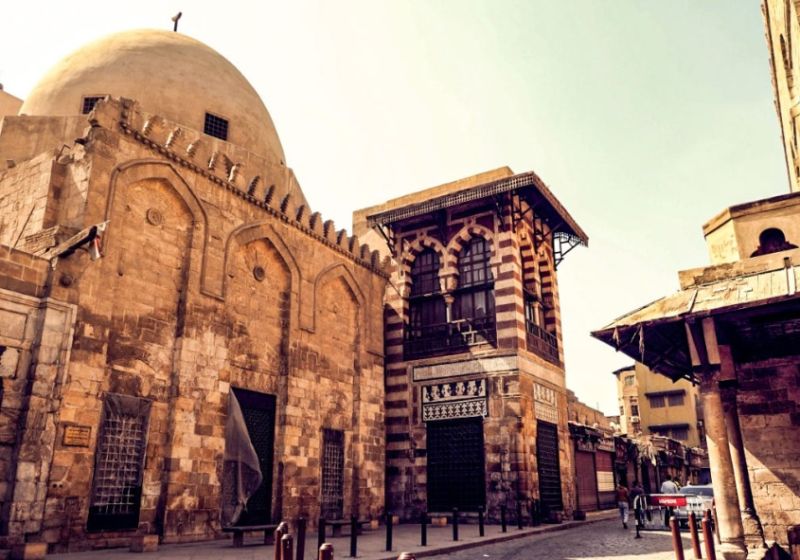
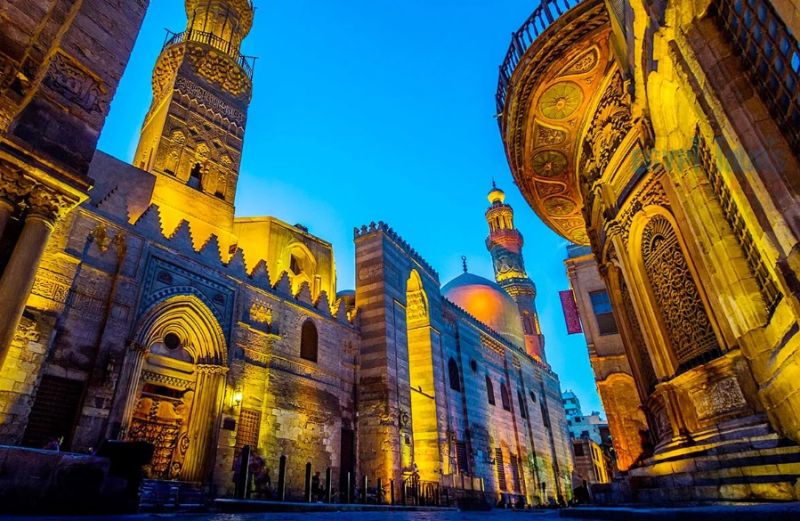
“I expected a street. What I found was a time machine.” That is how one visitor described stepping through the northern gate at golden hour. The noise of modern Cairo fades behind you, and tall stone minarets, carved doorways, and hanging brass lanterns take over. Shopkeepers call out greetings, the smell of fresh bread and spices drifts by, and every few steps another thousand-year-old monument appears. You came for a walk, and you end up staying for hours.
What Is Muizz Street?
Muizz Street is a historic pedestrian street in the heart of Islamic Cairo, often called one of the largest open-air collections of medieval Islamic architecture in the world. It stretches for roughly one kilometer, and nearly every block holds a mosque, a palace gate, a religious college, a public fountain, or a restored merchant house. It is not a museum in the usual sense. People live, shop, and pray here, which is exactly what makes it special.
Quick Facts
- Location: Islamic Cairo, between the Conquests Gate in the north and the Zuweila Gate in the south
- Length: About 1 kilometer (roughly a 15-minute walk without stops)
- Street access: Open around the clock, since it is a public street
- Monument opening hours: Typically from about 9:00 AM to 5:00 PM, with some sites staying open later in peak season. Hours change, so always confirm before you go.
- Prices: Walking the street is free. Individual monuments, minaret climbs, and historic houses charge separate tickets, and prices are updated from time to time. Check our website for current rates.
- Recommended duration: 2 to 3 hours for a relaxed walk, or half a day if you enter several monuments
- Best time to visit: October to April for mild weather. In any season, go early in the morning or in the late afternoon through evening.
A Short History
Cairo was founded in 969 CE by the Fatimid dynasty, and the city’s first great ceremonial road ran through the same corridor that Muizz Street follows today. It is named for al-Muizz, the Fatimid caliph who gave the new capital its identity. In those early centuries, the street connected royal palaces, grand mosques, and the main market, and processions of officials and soldiers passed along it during festivals.
When the Fatimids fell, later rulers kept building along the same route. The Ayyubids and especially the Mamluks added enormous complexes, each ruler trying to outdo the last with taller minarets, richer stonework, and more elaborate domes. The Ottomans later contributed elegant houses and fountains, many of which still stand.
By the twentieth century, many buildings had suffered from neglect, crowding, and pollution. Large restoration efforts in the 2000s and 2010s cleaned facades, repaired stonework, improved lighting, and turned the street into a largely car-free zone. Today it shows layers of Fatimid, Mamluk, and Ottoman history side by side, all within a short walk.
What to Expect
The Northern Section
Most visitors begin at the Conquests Gate, a massive Fatimid-era gate with sturdy towers and carved stone details. Nearby you will find the Mosque of al-Hakim, one of the oldest in Cairo, and the Mosque of al-Aqmar, known for its finely carved facade. The atmosphere here is a little quieter, and the architecture feels austere and powerful.
The Middle Section
This is the busiest and most photogenic stretch. The Qalawun complex, with its hospital, tomb, and religious college, is one of the finest examples of Mamluk design in Egypt. Close by is the Barquq complex, with its soaring ceiling and graceful courtyard. Beit al-Suhaymi, an Ottoman-era merchant house, shows you what a wealthy family’s home looked like, with shaded courtyards, wooden screens, and cool inner rooms.
The Southern Section
As you approach the Zuweila Gate, the street becomes more local and lively. Metalworkers, tentmakers, and small traders fill the lanes. You can climb the gate’s towers for a wide view across the old city, a favorite spot for photographers at sunset. Nearby, the famous Khan el-Khalili market is an easy extension of your walk.
The Atmosphere
Expect a mix of history and daily life. You may hear the call to prayer echo between minarets, pass children playing, and smell grilled corn or freshly baked bread. Lantern lighting after dark gives the monuments a warm glow that feels very different from daytime.
Useful Facts: Crowds, Distances, and Weather
- Crowds: Mornings are calmer. Late afternoon and evening bring more visitors, as well as locals, especially on weekends and holidays. Peak tourist season is winter.
- Distances: The main monuments are close together, usually just a few minutes apart on foot. You can walk the full length in about 15 minutes, though you will almost certainly stop many times.
- Weather: Summers are very hot, often well above 35°C in the afternoon. Winters are mild, usually between 14°C and 20°C, which makes them ideal for long walks. Spring and autumn are comfortable and bright.
- Shade: There is limited shade along the open stretches, so sun protection matters in warm months.
- Surfaces: The ground is a mix of paving stones and uneven sections, so footwear matters.
Practical Travel Tips
- Dress modestly. Cover shoulders and knees, particularly if you plan to enter mosques. A light scarf is handy for women, and everyone should be ready to remove shoes before entering prayer areas.
- Wear comfortable shoes. You will walk on uneven stone for a few hours.
- Bring small cash. Tickets, tips, snacks, and small purchases are easier with small bills.
- Carry water and sun protection. A hat and sunscreen help, especially from May to September.
- Start at the north end. Walking south lets you build gradually toward the lively markets and finish near the Zuweila Gate.
- Time your visit for golden hour. The stone turns warm and amber, and the lanterns start to glow.
- Respect prayer times. Some mosques limit tourist access during prayers, so plan monument visits around them.
- Bargain politely. Shopping is part of the experience, so negotiate with a smile and a relaxed attitude.
- Consider a guide. A knowledgeable local guide can explain details you might otherwise miss, from architectural symbols to the stories behind each doorway.
- Keep valuables secure. Like any busy historic area, keep your phone and wallet close in the crowded sections.
- Check current hours and ticket prices. These can change, so confirm before you head out.
What Travelers Say
Visitors often say the street feels more like a story than a sightseeing stop. One of our travelers mentioned that they planned to spend an hour and ended up staying until after dark, simply because every corner revealed something new. Another described the evening lights on the minarets as “the moment the whole city slows down.”
Many first-time visitors also say they were surprised by how welcoming the area felt. Shopkeepers are friendly, children wave, and strangers often point out a hidden courtyard or a good viewpoint. Photographers love the contrast between ancient stone and bright, busy daily life. Travelers with limited time often say that if they could do only one thing in Islamic Cairo, this would be it.
Frequently Asked Questions
Is Muizz Street free to visit?
Yes, walking along the street costs nothing. However, entering individual mosques, towers, and historic houses usually requires a ticket.
How long does it take to walk the whole street?
Without stops, about 15 minutes. With monument visits, photos, and shopping, plan for two to three hours or more.
What is the best time of day to go?
Early morning is quiet and cool. Late afternoon into the evening is the most atmospheric, with softer light and glowing lanterns.
Is it safe for tourists?
The street is generally considered safe and is popular with both locals and visitors. As in any busy place, stay aware of your belongings and avoid isolated side lanes late at night.
Can I visit with children?
Yes. The street is car-free, and kids often enjoy the colors, markets, and towers. Be mindful of heat, crowds, and uneven ground.
Do I need a guide?
It is not required, but a guide adds context to the architecture and history, especially if you are visiting several monuments.
What should I wear?
Modest, breathable clothing and comfortable closed shoes. Bring a scarf or light layer for entering religious sites.
Can I combine it with other attractions?
Absolutely. Khan el-Khalili market, the Citadel area, and other historic districts of Islamic Cairo are all within easy reach by taxi or ride-hailing.
Is photography allowed?
In general, yes, in outdoor areas. Some interiors may restrict photography or charge a small fee, so ask before shooting.
Ready to Explore?
If you would like to experience Muizz Street with local insight, comfortable planning, and no guesswork, we would be glad to help. Visit our website to see current tour options, check the latest opening hours and ticket details, and choose the style of visit that suits you best. Your walk through a thousand years of Cairo is waiting.