
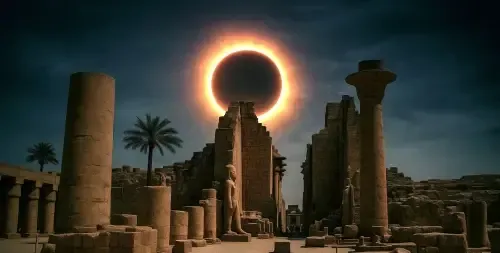
Egypt is a land where ancient history meets extraordinary natural wonders. On August 2, 2027, this timeless destination will become the stage for one of the most spectacular astronomical events of the century: a total solar eclipse.
The Luxor Solar Eclipse 2027 will bring the Moon directly between the Earth and the Sun, creating several minutes of daytime darkness along the path of totality. With ancient temples, the Nile River, and the Valley of the Kings providing an unforgettable backdrop, Luxor is expected to be one of the most exciting destinations for eclipse travelers.
In this guide, discover what makes the eclipse so special, why Luxor is an excellent place to experience it, the best things to do during your visit, eclipse safety tips, and how to plan your Egypt trip around this rare event.


What Is a Total Solar Eclipse?
A total solar eclipse happens when the Moon passes directly between the Earth and the Sun and completely covers the Sun from the viewpoint of observers within the path of totality.
For a short period, the sky can become dramatically darker, temperatures may drop, and the Sun's outer atmosphere—the corona—becomes visible. Observers may also experience spectacular phenomena such as Baily's beads and the diamond ring effect around the beginning and end of totality.
Total solar eclipses are relatively rare from any particular location. Even more unusual is an eclipse offering several minutes of totality, making August 2, 2027, an important date for astronomy enthusiasts and travelers alike.
Why Is the August 2, 2027 Eclipse So Special?
The August 2, 2027 eclipse will cross a long path through parts of the world, including North Africa and the Middle East. The maximum duration of totality will be more than six minutes along the central path, making it one of the longest total solar eclipses of the 21st century.
The length of totality is influenced by the apparent sizes of the Moon and Sun in the sky. Around this eclipse, the Moon will appear relatively large while the Sun will appear relatively smaller, creating favorable conditions for an extended period of totality.
For travelers, this means more time to experience the extraordinary transformation from daylight to darkness and observe the Sun's corona without specialized equipment during the brief period of totality.
Why Watch the Eclipse in Luxor, Egypt?
Luxor is one of Egypt's most fascinating destinations and offers an exceptional combination of astronomy, history, and culture.
1. A Spectacular Eclipse Experience
Luxor is located within the path of totality for the 2027 eclipse, making it an important destination for people traveling specifically to experience the event.
Imagine standing beside ancient Egyptian monuments as the afternoon sky gradually darkens and the Sun disappears behind the Moon. It is a rare combination of natural and historical wonder.
2. Ancient Temples as a Backdrop
Luxor is home to some of Egypt's most famous archaeological sites, including Karnak Temple, Luxor Temple, and the monuments of the West Bank.
Experiencing a total eclipse surrounded by thousands of years of Egyptian history could make the event especially memorable for photographers and travelers.
3. The Valley of the Kings
The Valley of the Kings offers another extraordinary setting for an Egypt adventure. The ancient tombs and dramatic desert landscape provide a completely different atmosphere from the temples along the Nile.
4. The Nile River
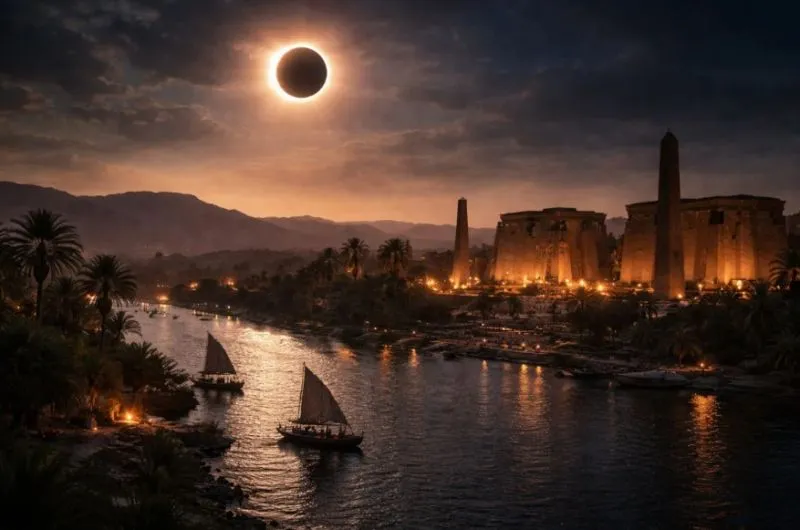
A Nile cruise can add another dimension to an eclipse trip. Watching the sky change from the deck of a boat while traveling between Egypt's historic cities could be an unforgettable experience.,
Best Places to Experience the 2027 Eclipse in Luxor
Your exact viewing location should be selected based on official eclipse-path information, local access, weather conditions, and event arrangements closer to the date.
Some of the most attractive areas to consider include:
Luxor Temple Area
Luxor Temple provides an iconic historical setting. The temple's columns and ancient architecture can create spectacular photographic opportunities, although access and viewing rules should be confirmed before the event.
West Bank of Luxor
The West Bank combines desert landscapes with some of Egypt's most famous archaeological monuments. It can offer a dramatic environment for experiencing the eclipse.
Valley of the Kings
The surrounding hills and desert scenery make the Valley of the Kings an appealing option for visitors who want to combine eclipse viewing with sightseeing.
Nile River
A Nile cruise offers a comfortable way to experience Egypt while enjoying views of the changing sky. Eclipse-specific cruise arrangements should be checked carefully as the event approaches.
Solar Eclipse Safety: How to Watch It Safely
Looking directly at the Sun without proper protection can cause permanent eye damage. Eclipse viewing should always be approached carefully.
Follow these essential precautions:
- Use certified solar eclipse glasses that meet the appropriate safety standard.
- Regular sunglasses are not safe for viewing the Sun.
- Keep your eclipse glasses on during all partial phases of the eclipse.
- During totality only, when the Sun is completely covered, observers may view the eclipse without eclipse glasses.
- Put your protective glasses back on before totality ends.
- Never look at the partially eclipsed Sun through a camera, binoculars, or telescope without a proper solar filter.
- Children should always be supervised during eclipse viewing.
Always follow the latest safety recommendations from recognized astronomical authorities and local eclipse organizers.
The Eclipse and Egypt's Tourism Future
The 2027 eclipse presents an exciting opportunity for Egypt's tourism industry. Travelers interested in astronomy can combine the event with some of the country's most famous attractions.
A trip could include Cairo and the Pyramids of Giza, followed by Luxor, the Valley of the Kings, a Nile cruise, Aswan, and Abu Simbel.
For travelers searching for a dedicated eclipse experience, explore Solar Eclipse Egypt Tours 2027 and discover ways to combine the eclipse with a wider Egyptian adventure.
How to Plan Your Luxor Eclipse Trip
1. Book Early
The 2027 eclipse is expected to attract travelers from around the world. Hotels, cruises, transportation, and tours in Luxor may become highly sought-after as the date approaches.
2. Plan More Than One Day
Instead of traveling to Luxor only for the eclipse, consider spending several days exploring the city and surrounding archaeological sites.
3. Combine Luxor With Other Egyptian Destinations
A longer itinerary could include Cairo, Giza, Luxor, Aswan, Abu Simbel, or a Nile cruise.
4. Prepare for August Weather
August in Luxor is extremely hot. Lightweight clothing, sunscreen, a hat, comfortable shoes, and plenty of water are essential.
5. Prepare Your Eclipse Equipment
Bring certified eclipse glasses and make sure any camera equipment you plan to use has the appropriate solar filters.
Egypt Solar Eclipse 2027: A Once-in-a-Lifetime Journey
The Egypt Solar Eclipse 2027 is more than an astronomical event. It is an opportunity to experience one of the world's most remarkable natural phenomena in a country famous for its ancient civilization.
From the temples of Luxor to the Nile River and the desert landscapes of southern Egypt, the eclipse can become the centerpiece of an unforgettable Egyptian adventure.
Whether you are an astronomy enthusiast, photographer, history lover, or simply a traveler looking for a once-in-a-lifetime experience, August 2, 2027, is a date worth remembering.
Final Thoughts
The Luxor Solar Eclipse 2027 promises a rare meeting of astronomy and ancient history. As the Moon covers the Sun and daylight temporarily gives way to darkness, visitors in Luxor will have the opportunity to experience this remarkable celestial event surrounded by some of Egypt's most extraordinary monuments.
Start planning early, choose your viewing location carefully, follow eclipse safety guidelines, and turn the eclipse into a complete Egyptian holiday.
Ready to experience the eclipse? Explore Egypt Solar Eclipse 2027 and start planning your journey to Egypt.