
Ramadan in Egypt: Traditions, Travel Tips & Guide
A Traveler’s First Impression
“I thought Ramadan would mean a quiet, slow trip. Instead, I found the most alive evenings of my whole journey.” That is how one traveler described their first night in Cairo during the holy month. All afternoon, the streets had felt calm and unhurried. Then, as the sun dropped, the city seemed to hold its breath. A cannon sounded in the distance, the call to prayer rolled across the rooftops, and within minutes, tables filled, lanterns glowed, and the whole neighborhood sat down to eat together.
Visitors often say the same thing: Ramadan changes the rhythm of Egypt, and once you understand that rhythm, it becomes one of the warmest and most welcoming times to travel. Days are slower and softer. Nights are loud, bright, generous, and full of music. You do not need to fast or share the faith to feel invited. You only need curiosity, a respectful attitude, and an appetite.
What Is Ramadan in Egypt?
Ramadan is the ninth month of the Islamic lunar calendar, a month in which Muslims around the world fast from dawn to sunset, pray more often, give to those in need, and spend more time with family. In Egypt, it is also a cultural season. Cities are decorated with colorful lanterns and fabric canopies, television fills with special series, markets stay open late, and neighbors share food with one another.
For travelers, Ramadan is not a reason to avoid Egypt. It is a different and often richer way to experience it. You will find fewer tour crowds at major sites in the daytime, more local atmosphere in the evenings, and a chance to see everyday traditions that visitors rarely witness at other times of year.
Quick Facts
- Location: Celebrated across all of Egypt, with the most famous atmosphere in Cairo, especially around Islamic Cairo, Muizz Street, Khan el-Khalili, and Al-Hussein district. Alexandria, Luxor, and Aswan also have lovely local traditions.
- When it happens: Ramadan lasts 29 or 30 days and moves about 10 to 11 days earlier each year, following the lunar calendar. The next one is expected to begin around early to mid February 2027, depending on the sighting of the moon. Always confirm the exact dates close to your trip.
- Opening hours: Major sites and museums often keep regular or slightly shortened hours, and some close earlier in the afternoon. Many shops, cafes, and markets open late and stay open until after midnight. Government offices and banks often have shorter working hours. Check before you go.
- Prices: Visiting the streets, lanterns, and markets is free. Sunset meal buffets in hotels, restaurants, and special tents are priced separately and often need advance booking. Check our website for current options.
- Recommended duration: At least two or three evenings in Cairo to feel the full atmosphere, or a full Egypt itinerary of 7 to 10 days with evenings planned around local life
- Best time to enjoy it: From late afternoon through midnight. The period right after sunset and the hours after it are the heart of the experience.
- Weather: When Ramadan falls in winter or early spring, days are mild and pleasant, which makes fasting and sightseeing easier for everyone.
A Short History of Ramadan Traditions in Egypt
An Old Month, Many Layers
Ramadan has been observed in Egypt for well over a thousand years, since the early days of Islam in the country. Over the centuries, Egypt’s rulers, craftsmen, and communities added their own local customs. Some are documented in historical sources, and others are passed down as traditions and stories. Together they form a distinct Egyptian way of celebrating the month.
The Lanterns
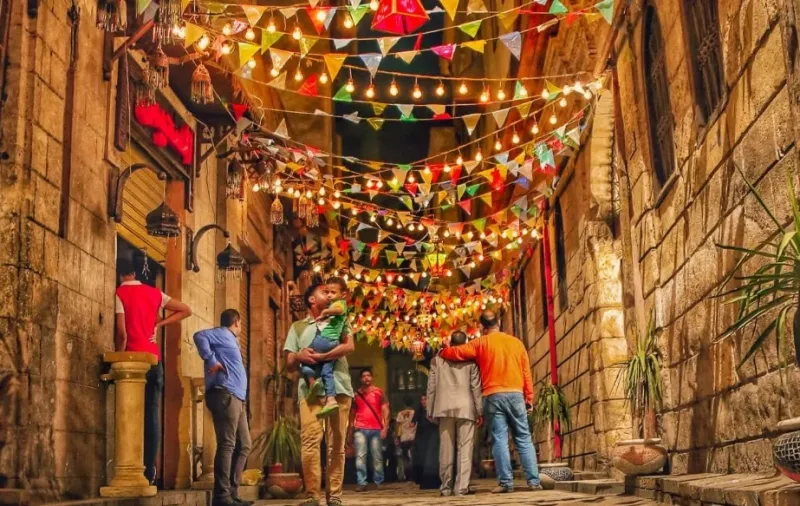
The most recognizable symbol of Ramadan in Egypt is the lantern. A popular tradition links it to the era of the Fatimid dynasty in Cairo, when residents are said to have welcomed a ruler arriving at night by lighting lanterns along the streets. Whether or not every detail of the story is exact, lanterns have become a beloved sign of the season. Today, you will see them hanging above streets, shops, homes, and cafes, in metal, glass, and brightly colored fabric. Many are handmade, and children love them.
The Cannon and the Drummer
Another loved tradition is the sunset cannon, a loud shot that signals the end of the day’s fast. Popular stories tie its origins to the Mamluk or early modern era, and it has long been associated with Cairo’s old citadel area. Although modern technology now makes the time easy to know, the cannon remains part of the city’s character and a favorite for families.
Equally charming is the tradition of the pre-dawn drummer, a person who walks through neighborhoods before the morning fast begins, beating a drum and calling out to wake people for the early meal. It is less common in big cities now, but you may still see it in some old districts, or hear stories about it from your host or guide.
Tables of Generosity
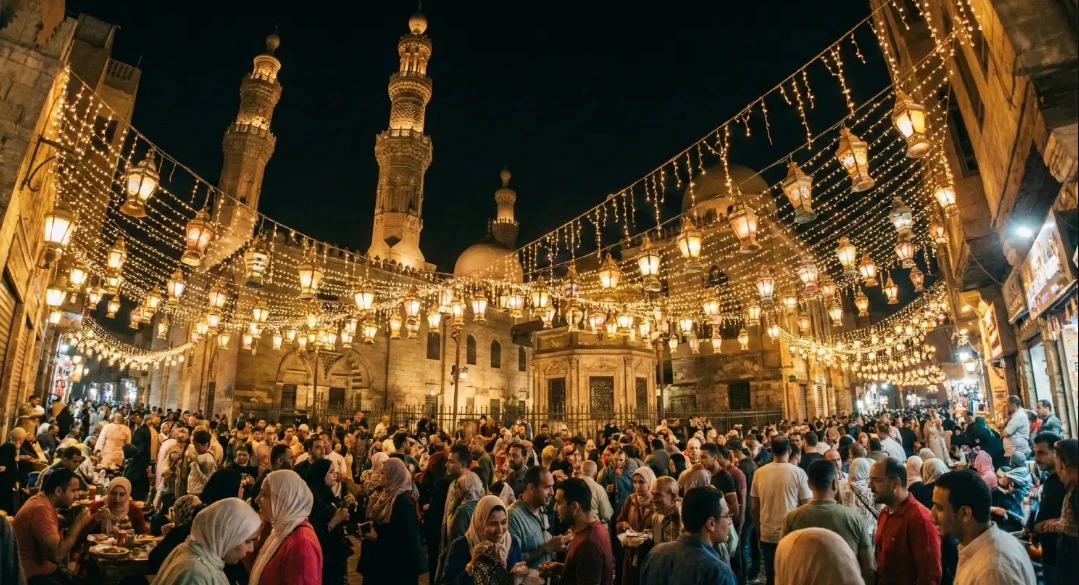
Perhaps the most heartwarming tradition is the long communal table set up along streets, outside mosques, and near community centers, offering free sunset meals to anyone who wishes to join. Often called tables of mercy, this custom is traditionally traced back many centuries and reflects the spirit of generosity at the heart of the month. Visitors can see these tables, and it is respectful to observe, say thank you, and follow your host’s guidance on whether and how to join.
Modern Ramadan
Today, Ramadan in Egypt blends deep tradition with modern life. Television series are released especially for the month, many people gather in homes and cafes after sunset, and shopping malls stay open late. Yet the spirit has not changed: family, food, prayer, and giving.
What to Expect
Mornings: Quiet and Gentle
In the early part of the day, cities feel calmer. Many people are fasting, so cafes and street stalls may be quiet or closed in local areas. This is a wonderful time to visit major sights such as museums and temples, since crowds are often lighter and the pace is relaxed.
Afternoons: The Quiet Rush
As the afternoon progresses, you will see people hurrying home or to restaurants. Traffic can become heavy in the hour or two before sunset as everyone rushes to be with family. Plan to be at your meal location early, or enjoy a relaxed afternoon in your hotel before going out.
Sunset: The Magic Moment
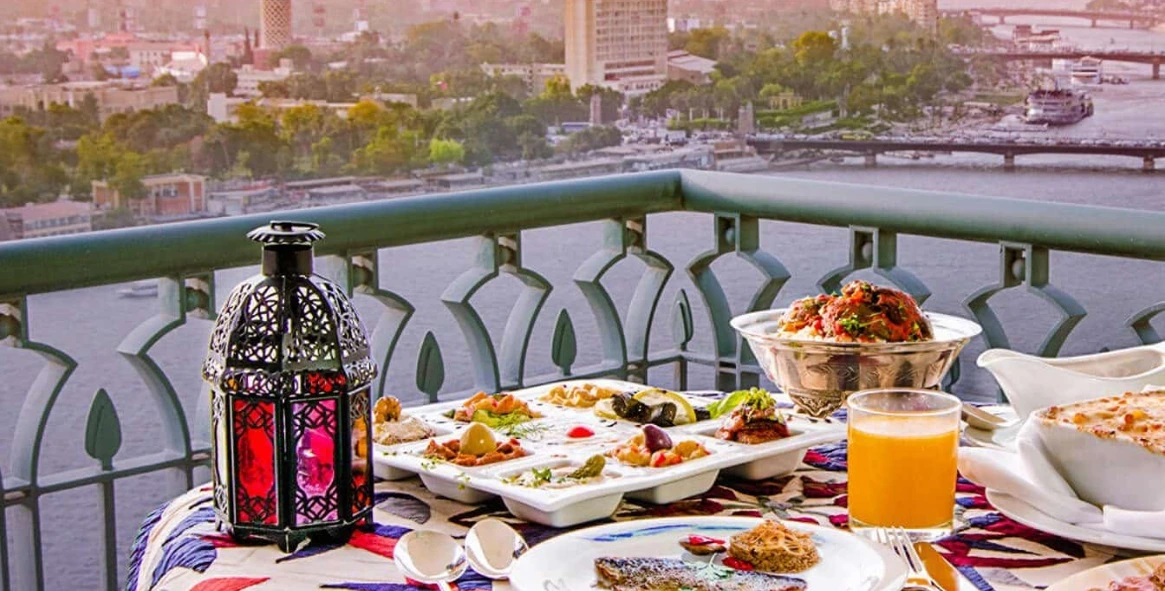
Just before sunset, streets can go strangely quiet. Then comes the sound of the call to prayer and, in some places, the cannon, and the fast is broken. Dates, water, juices, soups, and hearty dishes appear on tables. Even if you are not fasting, joining a sunset meal in a restaurant, hotel, or with a local host is one of the most memorable moments of any Ramadan visit.
Evenings: The Main Event
After the meal, the city comes alive. Families stroll through lantern-lit lanes, children carry lanterns, and cafes fill with friends sharing tea, coffee, and sweet pastries. Music, storytelling, and street performances may be found in historic areas. Many places stay open into the early hours, and a late-night walk can feel like attending a city-wide festival.
Food to Try
Look for warm lentil soup, rice with roasted meat, stuffed vegetables, slow-cooked stews, and fresh breads. For dessert, syrup-soaked pastries, sweet stuffed pancakes, creamy milk puddings, and dried-fruit drinks are the stars. Many restaurants and hotels offer special sunset buffets that let you taste many dishes at once.
Atmosphere in Historic Areas
Old Cairo is especially beautiful during this month. Illuminated minarets, colorful canopies, and crowded streets create a cinematic setting. If you love photography, the golden hour before sunset and the lantern-lit hours after it are particularly rewarding.
Useful Facts: Crowds, Distances, and Weather
- Crowds: Daytime crowds at major monuments are often lighter than usual. Evenings are very busy in popular local areas, especially on weekends and the final days of the month. Expect heavy traffic about an hour before sunset and again later at night when families go out.
- Distances: Cairo is a big city, and travel times can double during peak traffic. Plan to be at your sunset meal location at least 45 to 60 minutes ahead of time.
- Weather: In winter and early spring, Cairo usually ranges from about 14°C to 22°C, with cooler nights. Luxor and Aswan are warmer by day. If a future Ramadan falls in summer, expect strong heat, so plan sightseeing early and rest in the afternoon.
- Shorter hours: Some museums, attractions, and local services may shorten their hours, particularly in the late afternoon. Always confirm opening times.
- Restaurants: Tourist-area restaurants and hotels usually serve food during the day, while many local eateries are closed until sunset. Be flexible and plan meals ahead.
- Transportation: Metro, taxis, and ride-hailing services continue to operate, but they can be crowded right before sunset.
- Late nights: Shops and cafes in popular areas may remain open until well after midnight, so evenings can run long.
Practical Travel Tips
- Check the dates. Ramadan moves each year and depends on the moon, so confirm the start and end shortly before you travel.
- Plan sightseeing for the morning. Crowds are lighter, the weather is cooler, and you will be free for the evening.
- Book sunset meals in advance. Popular hotels and restaurants fill up quickly, especially in the first week and the last few days.
- Eat and drink discreetly in public during the day. You are not required to fast as a visitor, but out of respect, avoid eating, drinking, or smoking openly on the street or in front of people who are fasting. Hotels and many tourist cafes are comfortable places to eat.
- Dress modestly. Cover shoulders and knees, especially in older neighborhoods and when visiting mosques.
- Be mindful of volume and behavior. Loud or overly casual behavior can feel out of place, particularly around sunset and during prayer times.
- Greet people warmly. A simple friendly greeting in English or a smile goes a long way. Locals love sharing their traditions.
- Plan around traffic. Leave early for appointments or meals, particularly in the hour before sunset.
- Keep small cash. Markets, street vendors, tips, and small purchases are easier with small bills.
- Stay hydrated and carry snacks. You may not find an open food stall during the day in local neighborhoods, so a bottle of water and a small snack are helpful.
- Try joining a local sunset meal. If a host or guide invites you, accept with gratitude. It is often the highlight of a trip.
- Visit historic areas after dark. Lantern-lit lanes, crowds, music, and cafes make evenings the best time to experience the atmosphere.
- Consider a guide. A knowledgeable local guide can explain customs, translate stories, and help you navigate crowds and timing.
- Respect prayer times. Some places, including mosques, limit visitor access during prayers.
- Be flexible. Opening hours and schedules can change, so keep your plans light and enjoy the relaxed spirit.
What Travelers Say
Visitors often say Ramadan makes Egypt feel more personal. One of our travelers mentioned that they had planned a quiet evening at the hotel, but a friendly shop owner invited them to join a long table on the street just before sunset. “Nobody asked who I was or where I was from,” they said. “They just pushed a plate toward me and smiled.” They described it as the most memorable meal of their trip.
Another traveler said the lanterns were the biggest surprise. They had seen photos, but walking beneath hundreds of glowing shapes in an old neighborhood was something else. “It felt like the whole city had decided to celebrate at once,” they said.
Photographers often tell us that the hour before sunset is magical, with soft light on old stone and the sense of anticipation in the streets. Families with children say the festive atmosphere is easy for kids to enjoy, with lanterns, sweets, and friendly faces everywhere. Couples love the late-night cafes and warm evenings, while solo travelers say the communal feeling makes it easy to feel welcome.
Several visitors also mention that they were glad they came prepared. They planned sightseeing for the morning, booked meals in advance, and kept their evenings open. Those who tried to cram in too much during the late afternoon found the traffic and tiredness tricky, so many now recommend a slower pace.
Frequently Asked Questions
What is Ramadan?
It is the ninth month of the Islamic calendar, observed by Muslims with fasting from dawn to sunset, prayer, charity, and time with family and community.
When is Ramadan in Egypt?
The dates shift about 10 to 11 days earlier every year. The next Ramadan is expected to begin around early to mid February 2027, depending on the moon, so confirm closer to your travel date.
Is it a good time to visit Egypt?
Many travelers say yes. Daytime sightseeing is often calmer, and the evenings offer unique cultural experiences. Just plan around shorter hours and heavy traffic near sunset.
Do tourists have to fast?
No. Visitors are not required to fast. However, it is polite to eat and drink discreetly in public areas during the day.
Can I find food during the day?
Yes, in hotels, tourist restaurants, and many cafes in visitor areas. Some local eateries are closed until sunset, so plan ahead.
Are attractions open?
Most major attractions remain open, though some may adjust their hours. Check opening times for the days you plan to visit.
What is the best time of day to sightsee?
Mornings, when the weather is cooler and sites are less busy. Evenings are best for lantern-lit streets, markets, and sunset meals.
What should I wear?
Modest, comfortable clothing that covers shoulders and knees. A light scarf or layer is useful for mosque visits and cooler evenings.
Is it safe for tourists?
Egypt is a popular destination, and Ramadan evenings are family-friendly and lively. As anywhere, keep valuables secure in crowds and use licensed transport.
Can I join a sunset meal with locals?
Yes, if invited. It is a warm tradition, and guests are often welcomed. Accept politely and follow your host’s lead.
Is alcohol available?
Availability varies by venue, and some places may limit or stop service during the month. Check with your hotel or restaurant in advance.
Where is the best atmosphere?
Cairo’s historic districts, including Muizz Street, Khan el-Khalili, and nearby areas, are famous for lanterns and lively nights. Alexandria, Luxor, and Aswan also have their own local charm.
How should I plan my itinerary?
Visit sites in the morning, rest in the afternoon, and keep your evenings open for sunset meals, walks, and cafes.
What happens at the end of the month?
The end of Ramadan is marked by a joyful festival with family gatherings, new clothes, sweets, and celebrations. Many places are busy and some businesses close for a few days, so plan accordingly if your trip overlaps.
Ready to Experience Ramadan in Egypt?
Ramadan is one of those times when Egypt shows its warmest side. You can spend the morning exploring ancient wonders in peace, rest through the quiet afternoon, and then step into evenings full of light, music, and shared meals. It is a different Egypt from the one you see in guidebooks, and many travelers say it is their favorite.
If you would like help planning your trip, we would be happy to guide you. Visit our website to explore guided Ramadan tours, check the latest details on timing and experiences, and choose an itinerary that fits your pace and interests. A glowing, generous Egypt Packages is waiting for you.