
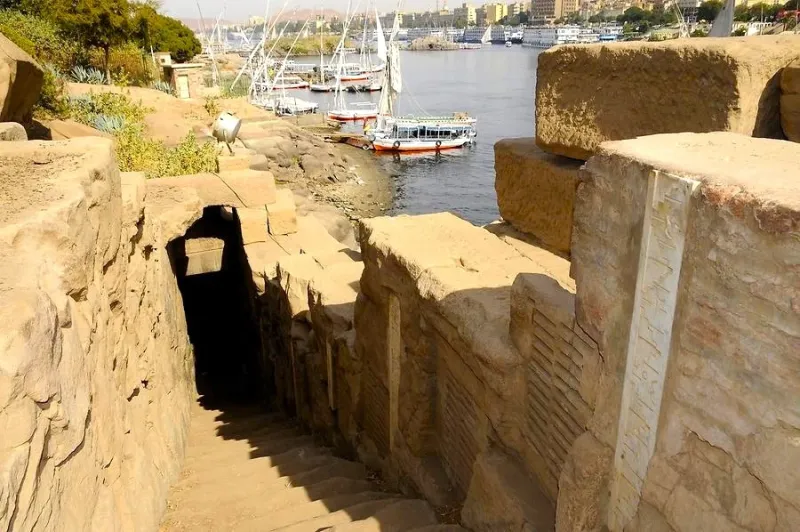
Aswan Nilometer: The Ancient Nile Water Measurement Structure That Shaped Egyptian Civilization
The Aswan Nilometer stands as one of the most fascinating engineering achievements of ancient Egypt. Known as an Ancient Nile Water Measurement Structure, this remarkable monument played a vital role in monitoring the annual flooding of the Nile River, which directly influenced agriculture, taxation, and daily life throughout Egyptian history. Located in the southern city of Aswan, the nilometer remains a powerful symbol of how ancient Egyptians mastered science, mathematics, and water management thousands of years ago.
For centuries, the Nile River was the heartbeat of Egypt. Without its seasonal floods, crops could not grow, trade would suffer, and communities would struggle to survive. The Aswan Nilometer helped rulers and priests predict flood levels accurately, making it one of the most important hydraulic structures in the ancient world.
The History of the Aswan Nilometer
The history of the Aswan Nilometer dates back to ancient Egyptian civilization, when controlling and understanding the Nile River was essential for survival. Ancient Egyptians depended entirely on the river’s annual flood cycle. Every year, the Nile overflowed its banks, depositing fertile black silt across agricultural lands. This natural process transformed the desert into productive farmland.
However, the flooding needed to occur within a specific range. If the water level was too low, crops would fail due to drought. If the flooding became too high, villages, temples, and fields could be destroyed. Because of this delicate balance, Egyptian rulers developed systems to measure and predict the Nile’s behavior.
The Aswan Nilometer, an important Ancient Nile Water Measurement Structure, was designed to monitor these changing water levels with remarkable precision. Historians believe that various nilometers existed throughout Egypt, particularly near temples and important settlements. The Aswan version became especially significant because Aswan served as the gateway between Egypt and Nubia and was strategically positioned near the first cataract of the Nile.
During the Pharaonic era, priests and royal officials regularly checked the water measurements. These readings influenced major governmental decisions, including agricultural planning and tax collection. Farmers paid taxes according to the expected harvest, which was directly connected to Nile flood levels.
Over time, the nilometer also gained religious significance. Ancient Egyptians viewed the Nile as a divine gift connected to gods such as Hapi, the god of the inundation. Measuring the river was therefore not only a scientific activity but also a sacred ritual.
If you are interested in exploring the timeless beauty of Aswan, discover The Majestic Of Egypt In 8 Days and enjoy an unforgettable journey through ancient history, stunning landscapes, and authentic Egyptian culture.
Architectural Design and Engineering Brilliance
The architectural design of the Aswan Nilometer reflects the advanced engineering knowledge of ancient Egyptians. Although nilometers varied in shape and style across Egypt, most shared similar features designed to provide accurate water readings.
The structure often consisted of:
-
Deep stone-lined wells connected to the Nile
-
Staircases descending toward the water
-
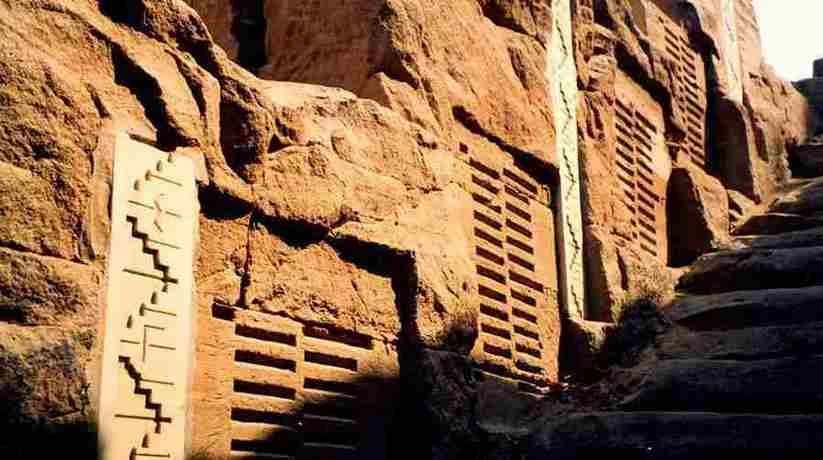
Measuring columns or marked walls
-
Channels allowing water flow into the chamber
These features enabled officials to observe water levels even when the river current was strong.
The construction materials were carefully chosen to withstand constant contact with water and seasonal flooding. Stone blocks, particularly granite in the Aswan region, provided durability and stability. The precision of the measurements demonstrates the Egyptians’ advanced understanding of geometry and hydrology.
One remarkable aspect of the Aswan Nilometer is how it combined practical engineering with monumental aesthetics. Ancient Egyptian builders did not separate utility from beauty. Even structures designed for scientific purposes often included inscriptions, decorative carvings, and symbolic elements.
The nilometer’s markings were calibrated using cubits, the standard ancient Egyptian unit of measurement. Officials could determine whether the flood would bring prosperity or disaster simply by reading the water level against these markings.
Why the Nile Flood Was So Important
To understand the significance of the Aswan Nilometer, it is necessary to understand the importance of the Nile flood itself.
Ancient Egypt’s agricultural system depended entirely on the annual inundation. Unlike modern irrigation systems, ancient farmers relied on floodwaters to naturally irrigate fields and deposit nutrient-rich soil.
The flood season generally followed this cycle:
-
Akhet (Flood Season) – June to September
-
Peret (Growing Season) – October to February
-
Shemu (Harvest Season) – March to May
A successful flood meant abundance, wealth, and political stability. A weak flood could result in famine and unrest.
The nilometer therefore became an essential forecasting tool. It allowed rulers to estimate:
-
Agricultural productivity
-
Food supply levels
-
Tax revenue
-
Risk of famine
-
Trade conditions
In many ways, the nilometer served as an ancient economic monitoring system. It connected science, governance, religion, and survival into one powerful institution.
Religious and Cultural Importance
The Nile River held immense spiritual significance in Egyptian culture. Egyptians believed the river was a sacred force blessed by the gods. Because the annual inundation brought life to the land, it became associated with fertility, rebirth, and divine generosity.
The Ancient Nile Water Measurement Structure was therefore much more than a scientific instrument. Priests often supervised the measurement process, and ceremonies accompanied important flood readings.
The god Hapi was especially connected to the Nile flood. He symbolized fertility and abundance and was commonly depicted carrying offerings of food and water plants. Successful inundation levels were interpreted as signs of divine favor.
Temples near nilometers sometimes hosted rituals celebrating the flood season. Communities gathered to observe announcements regarding expected water levels because these predictions affected everyone’s future.
The nilometer also appeared in historical writings and records. Ancient texts frequently referenced flood levels as indicators of prosperity or hardship during a ruler’s reign.
Location of the Aswan Nilometer
The Aswan Nilometer is located in the city of Aswan in southern Egypt, near the famous Nile River and close to several important archaeological attractions.
Aswan itself has long been one of Egypt’s most historically significant cities. It served as a trading center, military outpost, and cultural gateway between Egypt and Africa. The region is famous for its granite quarries, ancient temples, and beautiful river landscapes.
Visitors exploring Aswan often combine a visit to the nilometer with nearby attractions such as:
-
Aswan High Dam
The surrounding scenery adds to the experience, offering visitors stunning views of the Nile and desert landscapes.
Opening Hours
Opening hours for historical sites in Aswan may vary depending on the season and official regulations, but the typical visiting hours for archaeological attractions in the area are generally:
-
Daily: 8:00 AM to 5:00 PM
It is always recommended to arrive early in the morning, especially during the summer months, to avoid extreme heat and large tourist crowds.
Visitors should also confirm current schedules through local tourism authorities or official ticket offices before traveling.
The Role of Nilometers in Ancient Egyptian Administration
One of the most fascinating aspects of the Aswan Nilometer was its direct influence on governance and economics.
Ancient Egyptian officials depended on accurate flood readings to determine agricultural taxes. Since crop production relied heavily on flood conditions, taxation systems were adjusted according to predicted harvest yields.
For example:
-
High flood levels often meant abundant crops and increased taxes.
-
Low flood levels could lead to reduced taxation or emergency grain distribution.
This system demonstrates how advanced Egyptian administration had become thousands of years ago.
The nilometer also contributed to political stability. A ruler who managed resources effectively during poor flood years could strengthen public trust and maintain social order.
In some historical periods, flood records were carefully documented and preserved. These records now help historians understand climate patterns and environmental changes in ancient Egypt.
Scientific Knowledge Behind the Structure
The Aswan Nilometer reveals the extraordinary scientific understanding possessed by ancient Egyptian engineers and scholars.
Although modern technology did not exist, Egyptians developed highly effective methods for monitoring environmental conditions. Their observations of the Nile flood cycle were based on centuries of accumulated knowledge.
Several scientific principles influenced nilometer construction:
Hydrology
Egyptians understood seasonal river behavior and water flow patterns.
Mathematics
Measurement systems relied on standardized units and precise calculations.
Astronomy
The flooding season was connected to celestial observations, particularly the rising of Sirius, which marked the beginning of the inundation season.
Architecture
Builders designed durable structures capable of surviving changing water pressures and seasonal flooding.
The nilometer therefore represents an extraordinary intersection of science and practical necessity.
Best Time to Visit the Aswan Nilometer
The best time to visit the Aswan Nilometer is during the cooler months between October and April. During this period, temperatures in Aswan are far more comfortable for sightseeing and outdoor exploration.
Winter Season Advantages
-
Pleasant daytime weather
-
Easier walking conditions
-
Better photography opportunities
-
Comfortable boat rides on the Nile
Summer in Aswan can become extremely hot, with temperatures often exceeding 40°C (104°F). Travelers visiting during summer should plan activities early in the morning or near sunset.
Sunrise and late afternoon are especially beautiful times to explore the Nile area because of the golden desert light.
What to Wear When Visiting
Choosing appropriate clothing is important when visiting historical sites in Aswan.
Recommended Clothing
-
Lightweight cotton clothing
-
Breathable fabrics
-
Comfortable walking shoes
-
Sunglasses
-
Wide-brimmed hat or cap
For Cultural Respect
Although Aswan is a tourist destination, modest clothing is recommended, especially when visiting religious or traditional areas.
During Winter
Evenings can become cooler during winter months, so carrying a light jacket is useful.
What to Bring
To enjoy your visit comfortably, consider bringing the following items:
-
Reusable water bottle
-
Sunscreen
-
Camera or smartphone
-
Small backpack
-
Cash for tickets or local purchases
-
Portable fan during summer
-
Travel guide or offline map
Hydration is extremely important due to Aswan’s dry climate.
Common Mistakes Tourists Make
Many travelers unintentionally reduce the quality of their experience by making avoidable mistakes.
Visiting at Midday
The midday heat in Aswan can be exhausting, particularly during summer.
Ignoring Hydration
The desert climate can quickly lead to dehydration if visitors do not drink enough water.
Wearing Uncomfortable Shoes
Historical sites often involve uneven stone surfaces and walking long distances.
Rushing Through the Site
The nilometer may appear simple at first glance, but understanding its historical context makes the experience far more meaningful.
Skipping Nearby Attractions
Aswan contains numerous ancient landmarks that complement a visit to the nilometer.
Tourism and Preservation Efforts
Today, preservation efforts help protect the Aswan Nilometer and surrounding archaeological heritage.
Egyptian authorities and international organizations continue working to conserve historical monuments threatened by environmental damage, tourism pressure, and time itself.
Conservation activities often include:
-
Structural restoration
-
Stone cleaning
-
Documentation and research
-
Visitor management systems
-
Educational programs
Responsible tourism plays an important role in preservation. Visitors are encouraged to respect site regulations and avoid damaging ancient surfaces.
The continued survival of the Ancient Nile Water Measurement Structure allows modern generations to appreciate the intelligence and creativity of ancient Egyptian civilization.
The Legacy of the Aswan Nilometer
The legacy of the Aswan Nilometer extends far beyond Egypt. Historians and engineers worldwide study ancient Egyptian hydraulic systems because they demonstrate sophisticated environmental management long before modern technology emerged.
The nilometer symbolizes humanity’s enduring relationship with rivers and natural resources. Ancient Egyptians understood that survival depended on careful observation of nature and responsible planning.
Modern water management systems still rely on principles similar to those used thousands of years ago:
-
Monitoring water levels
-
Predicting seasonal changes
-
Managing agricultural resources
-
Preventing floods and droughts
This continuity highlights the timeless relevance of ancient Egyptian innovation.
The nilometer also reminds us that scientific achievement existed in ancient civilizations at remarkably advanced levels. Its precise measurements and durable construction continue to impress archaeologists and visitors alike.
FAQ
What is the Aswan Nilometer?
The Aswan Nilometer is an ancient structure used to measure Nile River water levels during the annual flood season in ancient Egypt.
Why was the nilometer important?
It helped predict agricultural success, determine taxes, and monitor flood conditions that affected the entire Egyptian economy.
Where is the Aswan Nilometer located?
It is located in Aswan in southern Egypt near the Nile River.
How old is the Aswan Nilometer?
The structure dates back to ancient Egyptian times, with some nilometers having origins thousands of years old.
What was measured inside the nilometer?
Officials measured the height of Nile floodwaters using marked columns or walls calibrated in cubits.
Is the Aswan Nilometer open to tourists?
Yes, visitors exploring historical sites in Aswan can learn about the nilometer and its historical significance.
What is the best season to visit Aswan?
The cooler months from October to April are considered the best time for sightseeing.
Why did ancient Egyptians worship the Nile?
The Nile provided water, fertile soil, transportation, and life itself, making it central to Egyptian civilization and religion.
Conclusion
The Aswan Nilometer remains one of the most remarkable achievements of ancient Egyptian engineering and environmental management. As an Ancient Nile Water Measurement Structure, it played a critical role in predicting floods, supporting agriculture, organizing taxation, and maintaining stability across ancient Egypt.
More than just a scientific instrument, the nilometer reflected the deep connection between the Egyptian people, the Nile River, and their religious beliefs. Its enduring legacy demonstrates how advanced ancient Egyptian civilization truly was in mathematics, architecture, hydrology, and governance.
Today, visitors to Aswan can still appreciate the historical importance of this extraordinary monument while exploring one of Egypt’s most beautiful and culturally rich regions. The Aswan Nilometer continues to stand as a timeless reminder of humanity’s ability to observe, understand, and work in harmony with nature.
Unlock unforgettable memories and discover our exclusive Egypt Tour packages.