
National Museum Muscat – Preserving the Heritage of Oman
Introduction
The National Museum of Oman, commonly referred to as the National Museum Muscat, is the Sultanate’s most important cultural and historical institution. Located in the historic district of Old Muscat, directly opposite the iconic Al Alam Palace, the museum offers visitors a comprehensive journey through the rich heritage, traditions, and history of Oman.
Opened in 2016, the National Museum showcases thousands of artifacts that illustrate the country’s civilization from ancient times to the modern era. With advanced exhibition technology, interactive displays, and extensive collections, the museum serves as a bridge between Oman’s past and its dynamic present.
For travelers seeking to understand the cultural identity of Oman, the National Museum Muscat is one of the most informative and inspiring destinations in the country.
History and Establishment
The idea of creating a national museum that represents Oman’s cultural heritage was initiated under the leadership of Sultan Qaboos bin Said. Known for his dedication to preserving Omani history and culture, Sultan Qaboos emphasized the importance of documenting and protecting the nation’s heritage.
The museum was officially inaugurated on July 30, 2016. Its mission is to preserve, study, and present Oman’s historical legacy through modern museum practices.
Today, the National Museum is considered the leading cultural institution in the Sultanate and plays an essential role in research, education, and heritage conservation.
Location and Architecture
The National Museum is situated in Old Muscat, a historic area surrounded by several significant landmarks.
Nearby attractions include:
-
Al Alam Palace
-
Portuguese forts overlooking the harbor
-
Government buildings
-
Traditional Omani architecture
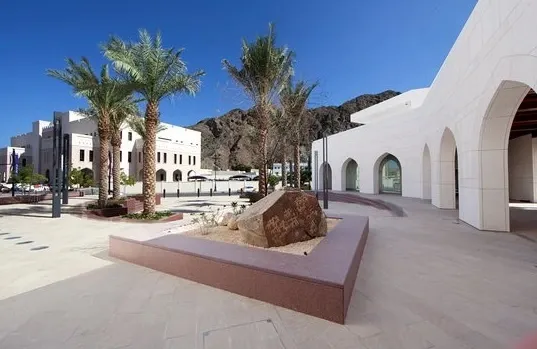
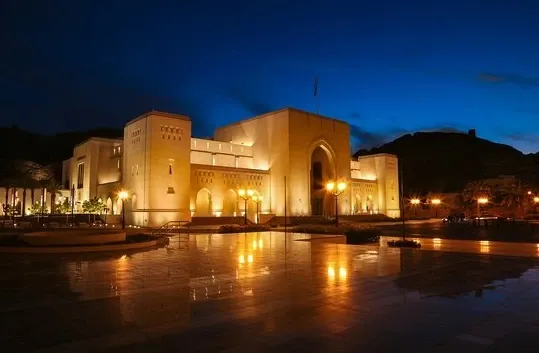
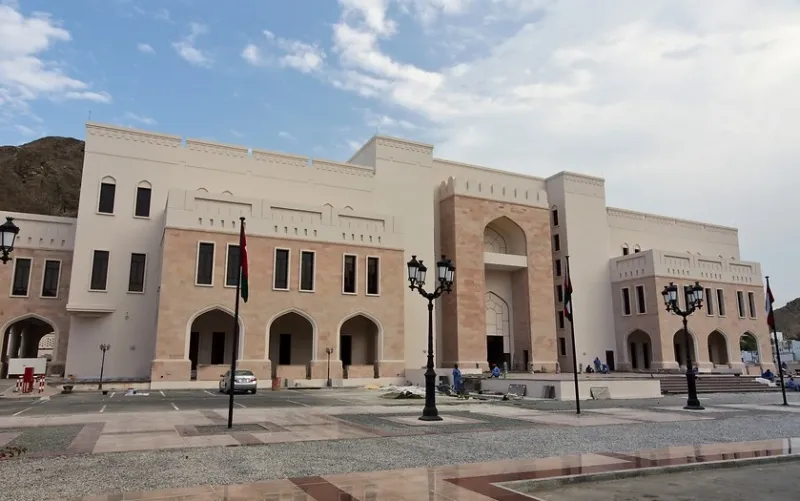
The museum building itself reflects traditional Omani design while incorporating modern architectural techniques. Large courtyards, elegant arches, and geometric patterns highlight the influence of Islamic architecture.
The structure includes multiple galleries, educational spaces, research centers, and conservation laboratories.
Museum Galleries
The National Museum Muscat houses several permanent galleries, each dedicated to a specific theme in Omani history and culture.
Land and People Gallery
This gallery introduces visitors to Oman’s geography, climate, and the relationship between its people and the land. It highlights how mountains, deserts, and coastlines shaped Omani lifestyles.
Artifacts include traditional tools, agricultural equipment, and models of historic settlements.
Maritime History Gallery
Oman has a long maritime tradition, and this gallery explores the country’s historical role in trade across the Indian Ocean.
Displays include:
-
Traditional dhow boats
-
Navigation tools
-
Historical trade maps
-
Shipbuilding techniques
These exhibits illustrate how Omani sailors once traveled to East Africa, India, and Southeast Asia.
Weapons Gallery
This section presents the evolution of traditional Omani weapons and military equipment.
Visitors can see:
-
Khanjars (traditional curved daggers)
-
Swords and rifles
-
Armor and shields
These items reflect the craftsmanship and cultural significance of weaponry in Omani history.
Intangible Heritage Gallery
The intangible heritage gallery focuses on Omani traditions that cannot be physically preserved but remain vital to national identity.
Themes include:
-
Traditional music
-
Folk dances
-
Poetry
-
Social customs
Multimedia displays allow visitors to experience these traditions through audio and video presentations.
Aflaj Systems Gallery
The ancient Aflaj Irrigation Systems of Oman are among the country’s most important historical engineering achievements.
This gallery explains how these irrigation channels distribute water from underground sources to farms and villages.
The aflaj system has been recognized as a UNESCO World Heritage element and remains an essential part of Omani agriculture.
Renaissance Gallery
This gallery focuses on Oman’s modern development during the reign of Sultan Qaboos.
Photographs, documents, and artifacts illustrate the transformation of Oman into a modern nation while preserving its traditions.
Collection and Artifacts
The National Museum houses thousands of artifacts spanning several thousand years of Omani history.
Notable items include:
-
Ancient pottery
-
Bronze tools
-
Islamic manuscripts
-
Jewelry and textiles
-
Maritime artifacts
Many of these objects were discovered through archaeological excavations across Oman.
The museum also works with international institutions to preserve and restore important historical objects.
Accessibility and Innovation
The National Museum Muscat is one of the most technologically advanced museums in the Middle East.
Features include:
-
Interactive digital displays
-
Audio guides in multiple languages
-
Virtual reality exhibits
-
Accessibility features for visually impaired visitors
The museum is known for its commitment to inclusivity and modern visitor engagement.
Educational Programs
The museum organizes numerous educational programs aimed at students, researchers, and the general public.
Activities include:
-
Workshops
-
Lectures
-
Cultural events
-
School tours
These programs encourage younger generations to appreciate Oman’s cultural heritage.
Conservation and Research
The National Museum includes specialized laboratories dedicated to the conservation of historical artifacts.
Experts work to restore and preserve ancient objects using modern scientific techniques.
The museum also collaborates with universities and international research institutions to study Oman’s archaeological heritage.
Cultural Importance
The National Museum Muscat serves as a cultural guardian of Oman’s identity.
By presenting the country’s history through carefully curated exhibitions, it helps visitors understand how Oman evolved from ancient trading civilizations into a modern nation.
For tourists, the museum provides valuable context before exploring other historical sites across the country.
Visitor Experience
Visitors to the National Museum enjoy a well-organized and immersive experience.
Highlights include:
-
Spacious galleries
-
Clear informational displays
-
Beautiful courtyard architecture
-
Interactive learning spaces
Guided tours are available for those seeking deeper insights into Omani history.
The museum also includes a gift shop and café where visitors can relax after exploring the exhibitions.
Nearby Attractions
The National Museum’s location in Old Muscat allows visitors to easily explore nearby landmarks.
Popular sites include:
-
Al Alam Palace
-
Mutrah Corniche
-
Mutrah Souq
-
Royal Opera House Muscat
Together, these locations provide a complete cultural and historical experience of Muscat.
Why Visit the National Museum Muscat?
The museum offers visitors:
-
A comprehensive overview of Omani history
-
Rare artifacts and cultural treasures
-
Interactive exhibitions
-
Beautiful architecture
-
Educational programs
It is the best place to begin exploring Oman’s heritage.
Best Time to Visit
The museum is open throughout the year. Morning visits are usually quieter, allowing more time to explore the galleries comfortably.
Because it is indoors, it is also an excellent destination during Oman’s hot summer months.
Conclusion
The National Museum Muscat stands as a testament to Oman’s rich cultural heritage and historical depth. Through its carefully curated galleries, rare artifacts, and innovative displays, the museum tells the story of a nation shaped by trade, exploration, tradition, and resilience.
For anyone visiting Muscat, the National Museum provides a deeper understanding of Oman’s identity and achievements. It offers a fascinating journey through centuries of history while celebrating the traditions that continue to define the Sultanate today.
Visit our Muscat Activities to discover exclusive Oman cultural tours, historical travel packages, and guided experiences to the National Museum Muscat and other incredible attractions across the country.