
Facts About Oman: Discover the Hidden Gem of the Arabian Peninsula
Oman is one of the Middle East’s most fascinating yet underrated destinations. Located on the southeastern coast of the Arabian Peninsula, Oman offers a rare blend of ancient traditions, dramatic landscapes, and warm hospitality. Unlike many of its neighbors, Oman has preserved its cultural identity while embracing modern development in a balanced and authentic way. From golden deserts and rugged mountains to turquoise beaches and historic forts, Oman is a country full of remarkable facts that surprise and inspire travelers from around the world.
Geographical Location and Natural Diversity
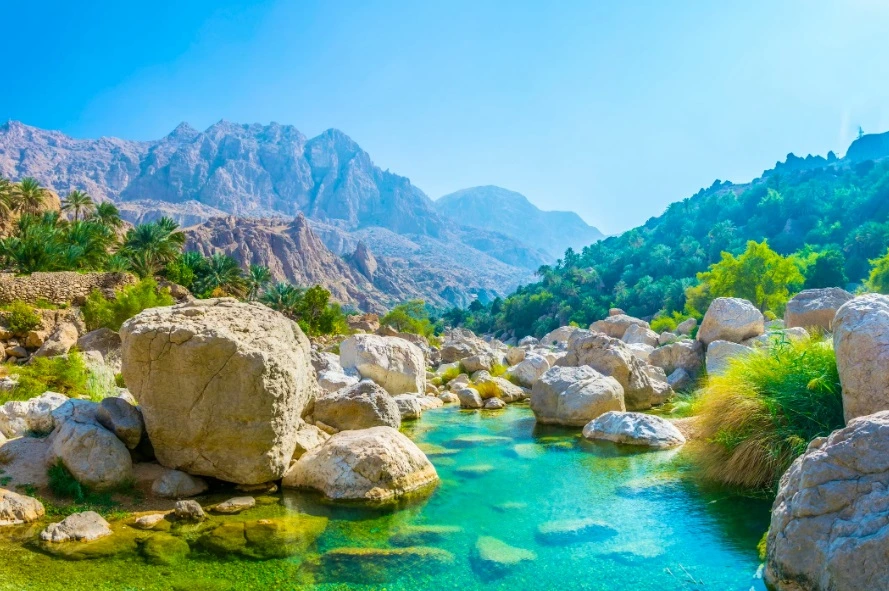
Oman occupies a strategic position overlooking the Arabian Sea, the Gulf of Oman, and the Strait of Hormuz, one of the world’s most important maritime routes. This location has shaped Oman’s history as a trading nation for thousands of years. What makes Oman truly unique is its extraordinary geographical diversity. Within a single country, visitors can experience towering mountain ranges, endless deserts, lush oases, fertile plains, and pristine coastlines.
The Al Hajar Mountains dominate northern Oman and include Jebel Shams, the highest mountain in the country. Often called the “Grand Canyon of Arabia,” Jebel Shams offers breathtaking views and dramatic cliffs. In contrast, the Empty Quarter (Rub’ al Khali) in southern Oman is one of the largest sand deserts in the world, stretching endlessly with rolling dunes. Along the coast, Oman boasts more than 3,000 kilometers of shoreline, featuring secluded beaches, fishing villages, and rich marine life.
Ancient History and Early Civilization
One of the most fascinating facts about Oman is its deep-rooted history, which dates back more than 5,000 years. Ancient civilizations referred to Oman as “Magan,” a land famous for copper mining and maritime trade with Mesopotamia and the Indus Valley. Archaeological discoveries reveal ancient tombs, irrigation systems, and settlements that highlight Oman’s importance in early human history.
Oman’s strategic location made it a hub for trade routes connecting Africa, Asia, and the Middle East. Frankincense, one of the most valuable commodities of the ancient world, was exported from southern Oman to Egypt, Rome, and beyond. This trade brought wealth and cultural exchange, leaving a lasting mark on Oman’s architecture, traditions, and global connections.
Islam and Omani Identity
Islam plays a central role in shaping Oman’s culture and identity. Most Omanis follow Ibadi Islam, a branch known for its emphasis on tolerance, moderation, and peaceful coexistence. This religious tradition has contributed significantly to Oman’s reputation as one of the most stable and harmonious countries in the region.
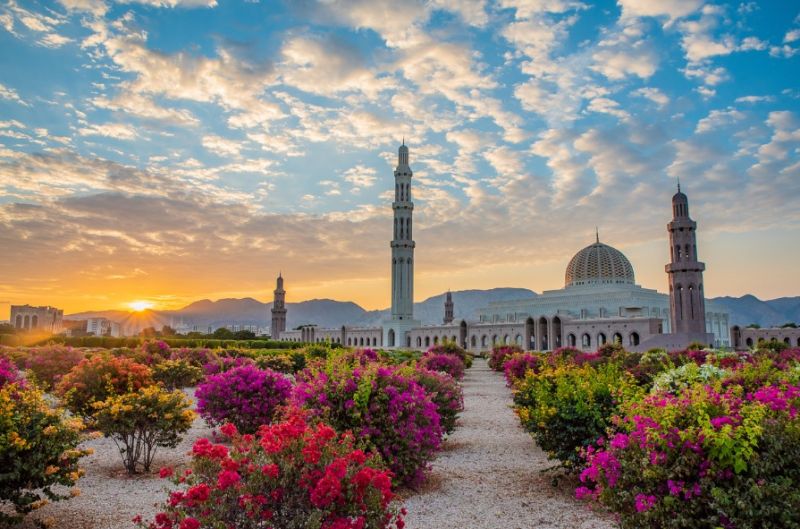
Mosques are an essential part of daily life in Oman, with the Sultan Qaboos Grand Mosque in Muscat standing as one of the country’s most iconic landmarks. The mosque is not only a place of worship but also a symbol of Oman’s openness, welcoming visitors of all faiths to learn about Islamic culture and architecture.
A Tradition of Seafaring and Trade
Oman has long been known as a nation of sailors and explorers. Omani ships once dominated trade routes across the Indian Ocean, reaching East Africa, India, and China. The country’s maritime heritage is still evident today in coastal cities such as Sur, which is famous for traditional dhow shipbuilding.
This seafaring tradition helped Oman establish diplomatic and cultural ties far beyond the Arabian Peninsula. At one point, Oman even ruled parts of East Africa, including Zanzibar, leaving behind a shared cultural legacy that can still be seen in architecture, cuisine, and language.
Forts, Castles, and Architectural Heritage
Another remarkable fact about Oman is the sheer number of forts and castles spread across the country. Oman is home to more than 500 forts, towers, and castles, many of which have been carefully restored. These structures reflect the country’s defensive history and architectural ingenuity.
Nizwa Fort, one of the most famous, was built in the 17th century and features a massive circular tower designed to protect the city from invaders. Bahla Fort, a UNESCO World Heritage Site, is another architectural masterpiece, showcasing traditional mud-brick construction and the importance of fortified settlements in Oman’s past.
The Aflaj Irrigation System
One of Oman’s most impressive historical achievements is the Aflaj irrigation system, which dates back over 2,000 years. This ancient engineering method channels groundwater through underground tunnels to supply farms and villages with water in arid conditions.
The Aflaj system is still in use today and is recognized as a UNESCO World Heritage Site. It demonstrates the ingenuity of Omani society and its ability to adapt to harsh environments while maintaining sustainable agricultural practices.
Wildlife and Natural Conservation
Despite its desert climate, Oman is home to diverse wildlife and rich ecosystems. The country has made significant efforts to protect its natural heritage through conservation programs and protected reserves. Arabian oryx, once extinct in the wild, were successfully reintroduced in Oman, making it a global success story in wildlife conservation.
Oman’s coastline is also a major nesting ground for endangered sea turtles. Places like Ras Al Jinz attract visitors eager to witness turtles laying eggs under the moonlight, offering one of the most unforgettable wildlife experiences in the region.
Omani Culture and Hospitality
Hospitality is deeply ingrained in Omani culture. Guests are traditionally welcomed with dates and Omani coffee, known as “kahwa,” flavored with cardamom. This gesture reflects generosity, respect, and a strong sense of community.
Omanis take pride in their traditional clothing. Men commonly wear the dishdasha, a long white robe, while women wear colorful dresses and headscarves, especially during celebrations. These traditions are not limited to rural areas; they remain a visible and respected part of daily life across the country.
Cuisine and Traditional Food
Omani cuisine reflects the country’s history as a crossroads of trade. Spices from India, East Africa, and Persia play an important role in traditional dishes. One of the most famous Omani meals is shuwa, slow-cooked lamb marinated in spices and cooked underground for up to two days during special occasions.
Seafood is widely consumed along the coast, while rice, dates, and flatbread form staples across the country. Omani food emphasizes rich flavors without excessive heat, making it appealing to a wide range of tastes.
Modern Oman and Sustainable Development
Modern Oman has achieved impressive development while preserving its heritage. Under the leadership of Sultan Qaboos bin Said and continued by Sultan Haitham bin Tariq, Oman has invested heavily in education, healthcare, and infrastructure.
Unlike many rapidly urbanized countries, Oman enforces strict building regulations to maintain harmony with the natural landscape. In Muscat, for example, building heights are limited, ensuring that the city retains its traditional character and scenic beauty.
Tourism in Oman
Tourism is a growing sector in Oman, attracting travelers seeking authentic experiences rather than mass tourism. Visitors are drawn to Oman’s unspoiled nature, historic towns, and welcoming culture. Activities range from desert camping and mountain trekking to diving, dolphin watching, and exploring ancient villages.
What sets Oman apart is its balance between adventure and tranquility. Whether exploring bustling souks or relaxing in a remote wadi, travelers often describe Oman as peaceful, safe, and deeply enriching.
Why Oman Stands Out
One of the most important facts about Oman is that it offers a rare sense of authenticity. The country has resisted over-commercialization, choosing instead to highlight its heritage, environment, and values. This makes Oman a unique destination for travelers who want meaningful experiences rather than surface-level attractions.
Oman’s commitment to cultural preservation, environmental sustainability, and social harmony makes it a model within the region. It is a place where ancient traditions and modern life coexist naturally, creating a destination that feels both timeless and welcoming.
Conclusion
Oman is far more than a desert nation; it is a land of history, culture, and extraordinary natural beauty. From ancient trade routes and majestic forts to warm hospitality and breathtaking landscapes, the facts about Oman reveal a country rich in character and depth. Whether you are a traveler, a history enthusiast, or simply curious about the world, Oman stands as a reminder that true beauty lies in authenticity, balance, and respect for heritage, Discover our Oman Tour Packages with Flying Carpet Tours