
Famous Egyptian Deserts: Top 7 You Must Explore
A Traveler's First Experience in the Egyptian Desert
“I thought Egypt was all about pyramids and temples until I spent my first night in the desert. As the sun disappeared behind the dunes, the landscape changed completely. The sand turned golden, the rocks became silhouettes, and the sky seemed enormous. Sitting around a desert camp that evening, I realized that Egypt has another side that many visitors never experience.”
That was one of the most memorable moments of my trip. Egypt's deserts are not simply endless stretches of sand. They include dramatic white rock formations, black volcanic-looking mountains, enormous golden dunes, ancient valleys, remote oases, fossil-rich landscapes, and mountain wilderness.
From the famous White Desert near Farafra to the Great Sand Sea around Siwa, each destination has a different personality. Some are ideal for a short desert safari from Cairo, while others deserve several days of exploration.
If you are planning an adventure beyond Egypt's traditional sightseeing route, discovering the Egypt Desert Tours can add an entirely different dimension to your journey.
What Are the Famous Egyptian Deserts?
Egypt's desert landscapes cover a huge part of the country and include several distinct regions. The Western Desert contains famous oases and spectacular formations such as the White Desert, Black Desert, and Great Sand Sea. The Eastern Desert stretches between the Nile Valley and the Red Sea, while the Sinai Desert combines wide desert landscapes with rugged mountains.
Egypt's deserts are also home to important natural and archaeological sites. Wadi Al-Hitan, for example, preserves exceptionally important whale fossils and is a UNESCO World Heritage Site.
For travelers, these areas offer opportunities for 4x4 safaris, camping, sandboarding, photography, hiking, stargazing, and visits to remote oases.
Quick Facts About Egypt's Deserts
| Detail | Information |
|---|---|
| Main Desert Regions | Western Desert, Eastern Desert, Sinai Desert |
| Popular Destinations | White Desert, Black Desert, Great Sand Sea, Siwa, Bahariya, Wadi Al-Hitan |
| Best Activities | Safari, camping, sandboarding, hiking, photography, stargazing |
| Best Season | Generally autumn, winter, and spring for comfortable daytime temperatures |
| Typical Visit | Half-day, full-day, overnight, or multi-day depending on destination |
| Transportation | 4x4 vehicles, private cars, organized desert tours |
| Best for | Adventure, nature, photography, camping, geology, and cultural experiences |
| Important Tip | Use an authorized and experienced desert operator and check access requirements |
The exact opening hours and fees vary by destination and protected area. Unlike conventional archaeological sites, many desert experiences operate through licensed tour operators, hotels, protected-area authorities, or local guides. Egypt's official tourism site specifically recommends using specialized and licensed operators for desert excursions and checking permits and regulations in advance.
1. White Desert
Egypt's Most Surreal Desert Landscape
The White Desert is arguably one of Egypt's most recognizable desert landscapes.
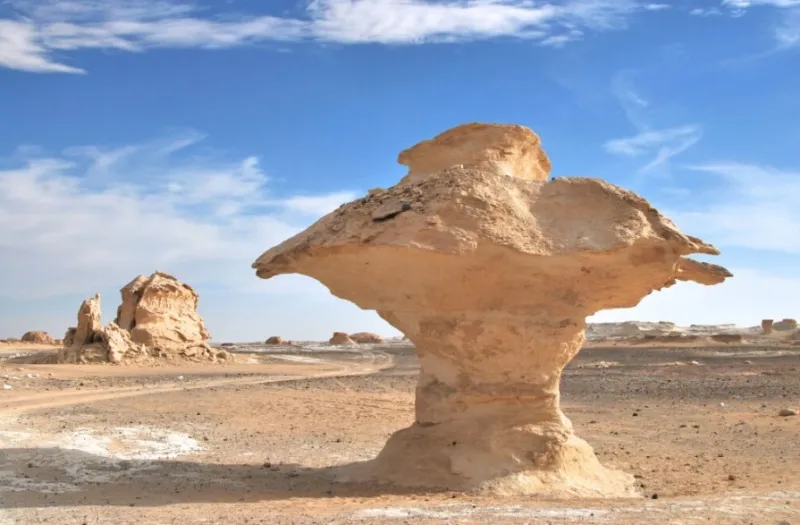
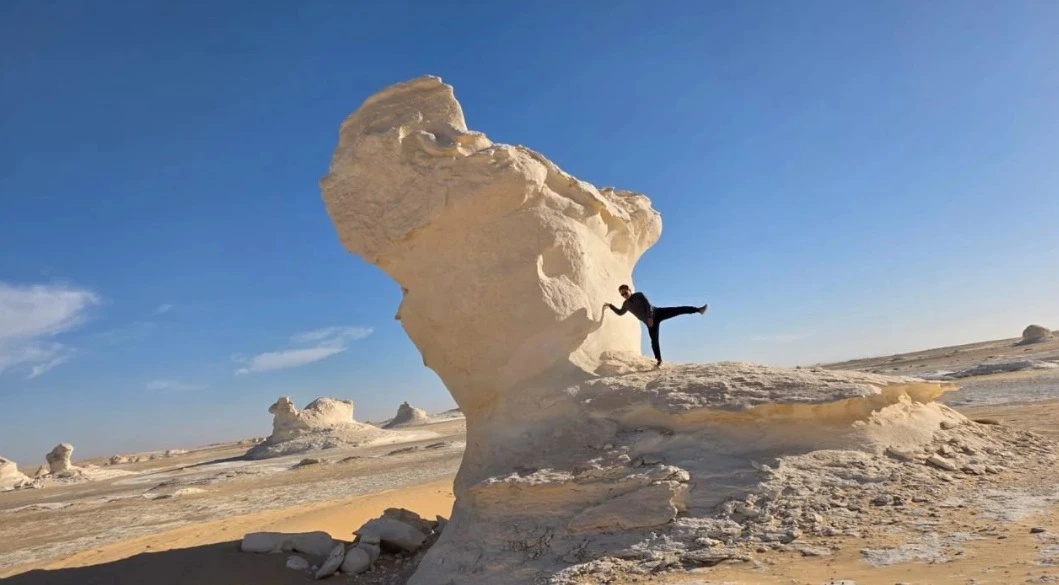
Located near Farafra Oasis, it is famous for its brilliant white limestone formations. Wind and erosion have shaped the soft rock into unusual forms, including rounded pillars, mushrooms, towers, and other shapes that seem almost unreal.
The contrast between the pale rocks and the surrounding golden desert creates an extraordinary landscape, particularly around sunrise and sunset.
The official Egyptian tourism portal notes that the White Desert is about 40 kilometers from Farafra and can be visited on excursions ranging from short trips to multi-night desert adventures.
What to Expect
A typical White Desert excursion may involve traveling by 4x4 vehicle across desert tracks, stopping at major rock formations, exploring on foot, watching the sunset, and enjoying a traditional desert meal.
Overnight camping can make the experience even more memorable.
When darkness arrives, the absence of city lights can create excellent conditions for observing the night sky.
Best Activities
- 4x4 desert safari
- Photography
- Sunset viewing
- Camping
- Stargazing
- Sandboarding in nearby areas
Best Time to Visit
The cooler months from autumn through spring are generally more comfortable for desert exploration. Summer temperatures can be extremely high, particularly during the middle of the day.
2. Black Desert
Mountains of Dark Rock and Golden Sand
The Black Desert offers a striking contrast to the White Desert.
Located in the Bahariya region, the landscape features dark-colored hills and volcanic-looking rocks scattered across the desert. The combination of black stones, brown mountains, and golden sand creates one of the most distinctive scenes in Egypt's Western Desert.
Bahariya Oasis is located about 370 kilometers southwest of Cairo and is described by Egypt's official tourism portal as the closest Western Desert oasis to the capital.
What Makes It Special?
The Black Desert demonstrates how dramatically Egypt's desert scenery can change within a relatively small geographical region.
Travelers often visit it as part of a wider Bahariya desert safari that also includes the White Desert, hot springs, and other natural attractions.
What to Expect
Expect a rugged landscape rather than endless smooth dunes.
A 4x4 vehicle is normally the practical way to explore the desert tracks, and stops may be made at viewpoints and elevated areas for photographs.
The scenery is especially impressive when the sunlight creates shadows across the dark hills.
3. Great Sand Sea
A World of Endless Golden Dunes
The Great Sand Sea is one of Egypt's most impressive dune landscapes.
It extends across the Western Desert toward the Libyan border and forms a vast sandy region associated particularly with Siwa and Farafra. Egypt's tourism portal describes it as a roughly 600-kilometer expanse that forms a natural barrier between Egypt and Libya.
Unlike the rocky formations of the White and Black Deserts, the Great Sand Sea is dominated by enormous waves of sand.
What to Do
The Great Sand Sea is particularly suitable for adventure activities.
Depending on the route and local conditions, visitors may enjoy:
- 4x4 dune driving
- Sandboarding
- Sunset photography
- Desert camping
- Dune climbing
- Stargazing
Around Siwa
The Great Sand Sea is a major attraction for visitors staying in Siwa Oasis.
The official tourism portal highlights the area's towering dunes and recommends experiences such as climbing and gliding across the dunes.
A desert excursion from Siwa can combine the dunes with salt lakes, springs, and the cultural attractions of the oasis.
Best Experience
Sunset is one of the best times to experience the dunes. The low sunlight emphasizes the curves of the sand and creates dramatic shadows across the landscape.
4. Western Desert
Egypt's Great Desert Adventure Region
Rather than being a single attraction, the Western Desert is an enormous region containing some of Egypt's most famous desert destinations.
It includes major oases such as Bahariya, Farafra, Dakhla, Kharga, and Siwa, along with the White Desert, Black Desert, Great Sand Sea, archaeological sites, springs, mountains, and remote valleys.
Egypt's official tourism map identifies routes connecting Cairo with Bahariya, Siwa, the Great Sand Sea, Dakhla, and the White Desert.
Why Explore the Western Desert?
The Western Desert offers variety.
One day can involve white limestone formations and desert camping. Another can take you through palm-filled oasis landscapes or to ancient archaeological sites.
Bahariya, for example, combines desert scenery with springs, palm groves, archaeological discoveries, and the Valley of the Golden Mummies.
How Long Do You Need?
A short trip to Bahariya can be organized from Cairo, while travelers with more time can explore several oases on a longer desert circuit.
Egypt's tourism authority notes that a desert circuit involving Bahariya, Farafra, Dakhla, and Kharga can take a week or more depending on the route and stops.
Best For
The Western Desert is ideal for travelers who want:
- Desert camping
- Remote landscapes
- 4x4 adventures
- Oasis experiences
- Photography
- Archaeology
- Stargazing
- A quieter alternative to major tourist cities
5. Eastern Desert
Mountains Between the Nile and Red Sea
The Eastern Desert offers a completely different experience from the Western Desert.
Stretching between the Nile Valley and Red Sea coast, it is characterized by rugged mountains, dry valleys, rocky landscapes, and ancient routes.
The region has long been connected with trade, mining, and movement between the Nile Valley and the Red Sea.
Today, visitors can experience sections of the Eastern Desert through organized safaris and excursions from destinations such as Hurghada, Safaga, and other Red Sea resorts.
What to Expect
The scenery is generally more mountainous and rocky than the sandy landscapes associated with Siwa and the Great Sand Sea.
A typical excursion may include:
- 4x4 driving
- Mountain viewpoints
- Bedouin-style cultural experiences
- Tea and traditional meals
- Sunset viewing
- Stargazing
- Camel rides
Desert and Red Sea Combination
One advantage of exploring the Eastern Desert is its proximity to the Red Sea.
Travelers staying in Hurghada or other coastal resorts can combine desert activities with snorkeling, diving, or beach time.
This makes the Eastern Desert particularly convenient for travelers who want an adventure without committing to a multi-day Western Desert expedition.
6. Sinai Desert
Desert Landscapes Surrounded by Mountains
The Sinai Desert provides another distinct interpretation of the Egyptian desert.
Instead of focusing primarily on enormous sand dunes, Sinai combines open desert terrain with dramatic mountain landscapes, rocky valleys, and rugged peaks.
The area around Saint Catherine is particularly impressive for travelers interested in hiking and mountain scenery.
What to Expect
Sinai desert experiences can range from short excursions to more demanding hiking adventures.
Depending on the location, travelers may explore:
- Desert valleys
- Mountain trails
- Bedouin communities
- Ancient routes
- Natural rock formations
- Sunset viewpoints
- Stargazing locations
The landscape can feel dramatically different from Cairo, Luxor, or the Nile Valley.
Mount Sinai and the Surrounding Desert
For many travelers, the desert experience in Sinai is connected with Mount Sinai and Saint Catherine.
The combination of mountains, open desert, and historical traditions creates a landscape that is both natural and culturally significant.
Visitors should always arrange mountain and desert excursions with experienced local guides, particularly for remote trails and changing weather conditions.
7. Wadi Al-Hitan
The Desert Where Ancient Whales Tell a Story
Wadi Al-Hitan, or Whale Valley, is one of Egypt's most extraordinary desert destinations.
It is located in the Western Desert within the Wadi El-Rayan Protected Area in Fayoum.
What makes it different from other desert destinations is its fossil record.
The area contains exceptionally important fossils of ancient whales that document a major stage in the evolution of whales from land-dwelling mammals toward marine life.
UNESCO inscribed Wadi Al-Hitan on the World Heritage List in 2005 and describes it as one of the world's most important sites for demonstrating this evolutionary transition.
What to Expect
Wadi Al-Hitan is more than a scenic desert drive.
Visitors can walk through protected areas and see fossil remains within a carefully managed landscape.
The site is strictly protected, and UNESCO notes that vehicle access is not permitted within the World Heritage property itself, with controlled visitor access provided through designated areas and paths.
Why Visit?
Wadi Al-Hitan is especially interesting for travelers who enjoy:
- Geology
- Paleontology
- Nature
- Photography
- Educational travel
- Protected landscapes
It provides a fascinating reminder that today's desert was once part of a very different environment.
What to Expect on an Egyptian Desert Safari
A desert safari in Egypt is different from a conventional sightseeing tour.
The landscape is the main attraction, and the experience often changes according to the time of day.
4x4 Driving
Four-wheel-drive vehicles are commonly used for desert excursions because many routes cross sand, rocky tracks, and uneven terrain.
Sandboarding
Some desert areas offer suitable dunes for sandboarding. The Great Sand Sea and areas around Farafra are particularly associated with dune activities.
Camping
An overnight desert camp can transform a day trip into a more immersive experience.
You may enjoy a traditional meal, sit around a campfire, watch the sunset, and observe the stars away from city lights.
Sunrise and Sunset
The desert changes dramatically throughout the day.
Morning light creates soft colors across the landscape, while sunset produces stronger golden and orange tones.
For photographers, these are usually the most rewarding times.
Desert Crowds and Distances
One of the major attractions of Egypt's deserts is the feeling of space.
Popular destinations such as the White Desert and Black Desert can receive visitors, particularly during the cooler travel season, but they generally offer a very different atmosphere from the busy streets of Cairo or the major temple complexes of Luxor.
Distances can be substantial.
Bahariya is around 370 kilometers southwest of Cairo, and the journey by bus, taxi, or private car is approximately five hours according to Egypt's official tourism information.
The White Desert is approximately 40 kilometers from Farafra.
Siwa is much farther from Cairo and requires more travel time, which is one reason many travelers choose to stay overnight rather than visit it as a quick excursion.
Weather in the Egyptian Desert
Desert weather is one of the most important factors when planning a safari.
During summer, daytime temperatures can become extremely high. Activities such as hiking, dune climbing, and long outdoor walks are therefore more comfortable during cooler months.
Autumn, winter, and spring generally provide more pleasant conditions for extended desert exploration.
However, desert nights can become surprisingly cool, especially during winter.
What to Pack
Bring:
- Lightweight clothing
- A warm layer for the evening
- Comfortable closed shoes
- Sunglasses
- Sunscreen
- A hat
- Reusable water
- Camera equipment
- Power bank
- Personal medications
- A small overnight bag for camping trips
Practical Travel Tips for Exploring Egyptian Deserts
Choose an Experienced Operator
Desert travel requires local knowledge.
Egypt's official tourism information recommends using specialized and licensed operators and checking permits and regulations before heading into desert areas.
Carry Enough Water
Even during cooler seasons, desert conditions can cause dehydration.
Follow your guide's advice about water and avoid long walks without adequate supplies.
Protect Yourself From the Sun
The desert offers little natural shade.
A hat, sunscreen, sunglasses, and lightweight clothing are essential.
Do Not Wander Away From the Group
Desert landscapes can look deceptively similar in every direction.
Stay with your guide and follow the designated route.
Respect Protected Areas
Some desert sites contain fragile geological formations, fossils, archaeological remains, and wildlife.
Do not climb on protected formations, remove stones, touch fossils, or leave waste behind.
Wadi Al-Hitan, for example, is legally protected as a nature reserve and World Heritage property.
Keep Your Camera Ready
The desert offers exceptional opportunities for landscape photography, especially around sunrise and sunset.
Bring spare batteries or a power bank because access to electricity may be limited during camping.
Real Traveler Insights
“One of our travelers mentioned that the White Desert looked completely different in person compared with photographs. The scale of the formations was what surprised them most.”
Visitors often say that the silence is one of the most memorable parts of a desert trip.
Another traveler described the transition from the busy streets of Cairo to the open desert as feeling like entering another world.
For many visitors, the most memorable moment is not necessarily an activity such as sandboarding or dune driving. It is simply sitting quietly while the sun disappears and the desert becomes still.
Which Egyptian Desert Should You Visit?
Each destination suits a different type of traveler.
For First-Time Desert Visitors
The White Desert and Black Desert are excellent choices because they can be combined with Bahariya Oasis.
For Sand Dune Adventures
Choose the Great Sand Sea, especially around Siwa.
For Photography
The White Desert offers dramatic rock formations and changing colors.
For History and Nature
Wadi Al-Hitan combines desert scenery with one of the world's most important fossil landscapes.
For Mountain Lovers
The Sinai Desert provides rugged mountains and hiking opportunities.
For a Red Sea Holiday
The Eastern Desert can easily be combined with a stay in Hurghada or another Red Sea destination.
For a Longer Desert Journey
Explore the Western Desert and combine several oases and landscapes into one itinerary.
Suggested Egyptian Desert Itineraries
One-Day Desert Experience
For travelers with limited time, a day trip can focus on a nearby desert destination.
A typical experience may include morning transportation, a 4x4 safari, scenic stops, lunch, sunset, and return to your hotel.
Two-Day Bahariya and White Desert Trip
This is one of the most popular ways to experience Egypt's Western Desert.
The itinerary can combine:
- Cairo
- Bahariya Oasis
- Black Desert
- Hot spring
- White Desert
- Crystal Mountain
- Desert camping
- Return to Cairo
The exact route depends on local conditions and the tour operator.
Multi-Day Western Desert Adventure
Travelers with more time can explore several oases and desert regions.
A longer journey may include Bahariya, Farafra, Dakhla, Kharga, and additional desert landscapes.
Egypt's tourism authority identifies this broader desert circuit as an option for travelers with a week or more.
FAQ About Famous Egyptian Deserts
What are the most famous deserts in Egypt?
Some of the best-known desert destinations include the White Desert, Black Desert, Great Sand Sea, Western Desert, Eastern Desert, Sinai Desert, and Wadi Al-Hitan.
Which Egyptian desert is best for first-time visitors?
The Bahariya area, including the Black Desert and White Desert, is a popular choice because it combines dramatic landscapes with an oasis experience and can be reached from Cairo in approximately five hours by road.
Is the White Desert worth visiting?
The White Desert is known for its unusual white limestone formations and offers opportunities for 4x4 safaris, photography, camping, and stargazing.
Can I camp in the Egyptian desert?
Yes. Overnight desert camping is offered in several areas, particularly in Western Desert itineraries. Arrangements should be made through an experienced and authorized operator.
What is the Great Sand Sea famous for?
The Great Sand Sea is known for its enormous golden dunes and extends across a vast area of the Western Desert between the Farafra and Siwa regions.
Is Wadi Al-Hitan a desert?
Wadi Al-Hitan is a protected fossil site within Egypt's Western Desert. It is famous for fossils documenting the evolution of whales and has been a UNESCO World Heritage Site since 2005.
What should I wear in the desert?
Wear lightweight, breathable clothing during the day, comfortable closed shoes, sunglasses, and a hat. Bring an extra warm layer because desert temperatures can fall significantly at night.
Is it safe to explore the desert independently?
For remote desert areas, organized travel with an experienced, licensed operator is recommended. Routes, permits, weather, and local regulations can vary.
When is the best time to visit Egyptian deserts?
The cooler months from autumn through spring are generally more comfortable for desert activities. Summer can be extremely hot during the daytime.
How long should I spend in the Egyptian desert?
A desert experience can range from a half-day excursion to a week-long journey. A one- or two-night trip is enough for a first experience in areas such as Bahariya and the White Desert, while a larger Western Desert circuit requires more time.
Final Thoughts
The Egypt Desert Tours reveal a side of Egypt that is very different from the country's famous temples, museums, and pyramids.
The White Desert offers extraordinary limestone formations. The Black Desert creates a dramatic landscape of dark hills and golden sand. The Great Sand Sea delivers huge dunes and adventure. The Western Desert brings together oases, archaeology, and remote landscapes, while the Eastern and Sinai Deserts introduce rugged mountains and different cultural experiences. Wadi Al-Hitan adds an entirely different dimension, allowing visitors to discover fossils that record an extraordinary chapter in the history of life.
Whether you have one day or several weeks, adding a desert experience to your Egypt itinerary can make your journey more varied and memorable.
If you are ready to explore beyond the traditional tourist route, Flying Carpet Tours can help organize your Egyptian desert adventure with comfortable transportation, experienced guides, carefully planned routes, and memorable experiences. Discover the landscapes, silence, sunsets, and natural wonders of Egypt's deserts and make your next Egypt journey truly unforgettable.