
Egypt Souvenirs: Best Buys, Prices & Where to Shop
A Traveler’s First Experience Shopping for Egyptian Souvenirs
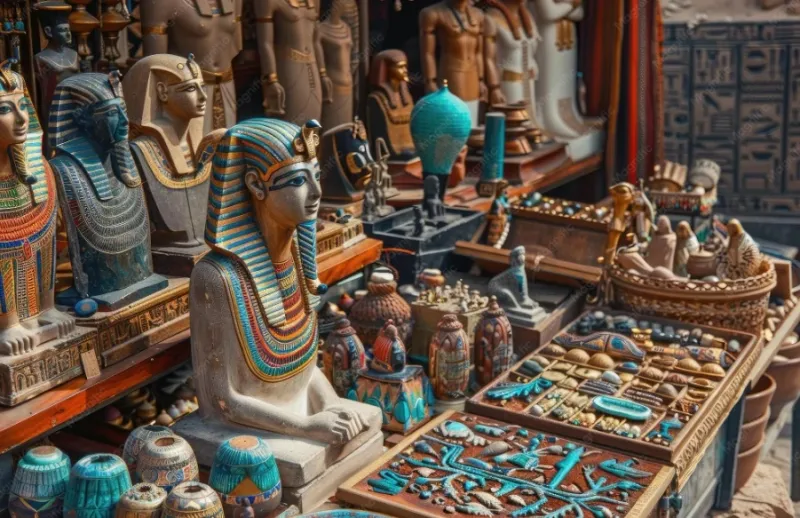
When I first walked through the busy streets of Cairo looking for souvenirs, I quickly realized that shopping in Egypt was more than simply buying gifts. Every shop seemed to tell a story. Colorful textiles hung from doorways, handmade jewelry filled small display cases, carved wooden pieces stood beside traditional crafts, and shelves were packed with spices, perfumes, papyrus-style artwork, and small replicas of ancient Egyptian treasures.
What made the experience especially memorable was the variety. Some souvenirs were inexpensive and easy to pack, while others were beautifully crafted pieces that felt more like keepsakes than ordinary gifts. Walking through traditional markets, I also discovered that prices could vary considerably depending on the material, craftsmanship, location, and bargaining.
For travelers visiting Egypt, choosing the right souvenirs can be part of the adventure. Whether you want something connected to ancient Egyptian history, a practical gift for family, or a handmade item that reflects local culture, Egypt offers plenty of possibilities.
This guide to Egypt souvenirs explains what to buy, typical price ranges, where to shop, how to bargain, and how to choose authentic and practical gifts for your journey home.
What Are Egyptian Souvenirs?
Egypt souvenirs are gifts, keepsakes, crafts, and locally inspired products that travelers purchase to remember their visit to Egypt or share the experience with friends and family.
They range from small inexpensive items such as magnets, postcards, miniature pyramids, and keychains to handmade textiles, jewelry, perfumes, artwork, leather goods, spices, and traditional crafts.
The best souvenirs are not necessarily the most expensive. A small handmade item purchased from a local craftsman can sometimes be more meaningful than a mass-produced product. The key is to choose something that represents an aspect of Egyptian culture, history, art, or everyday life that you personally enjoyed.
Quick Facts About Egypt Souvenir Shopping
| Detail | Information |
|---|---|
| Popular Shopping Areas | Cairo, Giza, Luxor, Aswan, Hurghada, Sharm El Sheikh |
| Popular Markets | Khan El Khalili and traditional local markets |
| Typical Shopping Hours | Many shops operate from morning into the evening; hours vary |
| Average Price | From a few dollars for small souvenirs to hundreds for premium handmade pieces |
| Shopping Duration | 30 minutes to several hours |
| Best Time to Shop | Late afternoon or evening, especially during warmer months |
| Best for Bargaining | Traditional markets and independent souvenir shops |
| Best for Fixed Prices | Established stores, museums, and specialty retailers |
| Popular Purchases | Papyrus artwork, jewelry, textiles, spices, perfumes, alabaster, cotton products, handicrafts |
Prices can change significantly depending on quality, materials, craftsmanship, location, and season. Treat the figures below as general shopping guidance rather than fixed prices.
The History Behind Egyptian Souvenirs
Egypt has one of the world's most recognizable cultural identities, and its souvenir traditions naturally reflect thousands of years of history.
Ancient Egypt produced remarkable objects ranging from jewelry and carved stone to pottery, textiles, furniture, cosmetics containers, and religious objects. Many modern souvenirs borrow visual elements associated with this ancient heritage, including hieroglyphic symbols, pharaohs, scarabs, cats, ankhs, pyramids, and famous monuments.
At the same time, Egyptian souvenirs are not limited to ancient history.
The country's long cultural development also influenced weaving, metalwork, wood carving, glassmaking, leatherwork, perfume production, and other traditional crafts. Different regions developed their own styles, materials, and artistic traditions.
Today, visitors can find souvenirs inspired by both ancient and modern Egypt. Some products are designed specifically for tourists, while others are practical items that Egyptians also use in everyday life.
This mixture makes shopping in Egypt particularly interesting because you can choose between historical replicas, traditional crafts, modern Egyptian products, and locally produced gifts.
Best Egyptian Souvenirs to Buy
1. Papyrus Artwork
Papyrus-style artwork is among the most recognizable Egyptian souvenirs.
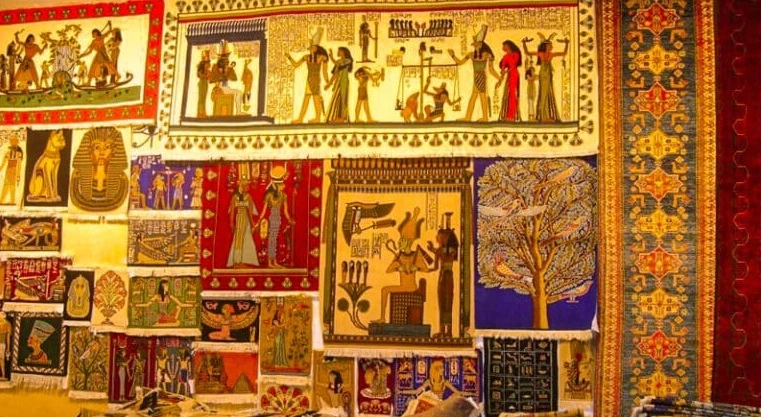
Traditional papyrus was an important writing material in ancient Egypt, and modern artwork often reproduces scenes inspired by ancient paintings, hieroglyphs, gods, pharaohs, daily life, and famous Egyptian symbols.
Prices vary according to size, artistic quality, materials, and whether the piece is handmade or commercially printed.
Shopping Tip
If you want genuine papyrus artwork rather than a simple imitation, ask about how the piece was produced and look carefully at its texture and construction.
A smaller piece is usually easier to transport and can make a practical gift.
2. Egyptian Cotton Products
Egyptian cotton is famous internationally, making cotton products another popular choice for travelers.
You may find shirts, scarves, towels, bedding, robes, and other textile products in stores and markets.
Prices depend heavily on the quality, cotton content, brand, and craftsmanship. Be cautious when a seller makes strong claims about quality without providing clear information about the product.
Why Buy It?
Cotton products are useful souvenirs because they are practical rather than purely decorative. A good-quality scarf or shirt can remind you of Egypt while remaining useful long after your trip.
3. Scarves and Traditional Textiles
Colorful scarves and textiles are easy to find in many Egyptian shopping areas.
They come in different fabrics, colors, patterns, and sizes. Lightweight scarves are particularly convenient for travelers because they take little space in luggage.
Handmade textiles can be more expensive than mass-produced alternatives, but they may offer distinctive designs and craftsmanship.
When shopping, check the fabric carefully and compare several stores before making your final purchase.
4. Egyptian Jewelry
Jewelry is another popular souvenir category.
Egyptian-inspired necklaces, bracelets, rings, earrings, and pendants may feature symbols such as the ankh, scarab, lotus flower, or eye motifs associated with ancient Egyptian art.
You can find inexpensive costume jewelry as well as more valuable pieces made from silver, gold, or semiprecious stones.
Buying Jewelry in Egypt
If you are purchasing a valuable item, choose a reputable shop and ask for information about the metal, stones, weight, and receipt.
For inexpensive souvenirs, symbolic designs can be a fun and affordable reminder of your trip.
5. Cartouche Jewelry
A cartouche featuring a person's name written in hieroglyphic-inspired symbols is one of the most personalized Egyptian souvenirs.
You can find cartouches made from different materials, including silver and gold.
Many travelers choose to have their own name or the name of a family member incorporated into the design.
Price Considerations
The price depends on the metal, weight, workmanship, and personalization.
Because personalized jewelry can take additional time to prepare, ask about production time before ordering if you have a tight travel schedule.
6. Perfumes and Fragrance Oils
Egypt has a long association with perfumes, fragrance oils, and aromatic products.
Specialty perfume shops may offer concentrated fragrance oils inspired by floral, woody, spicy, or traditional scents.
Some stores also sell decorative perfume bottles that make attractive gifts.
Shopping Tip
Do not rush when choosing perfume. Smell several options and allow time for the fragrance to develop on your skin.
A scent that smells pleasant immediately may change after several minutes.
7. Alabaster and Stone Crafts
Alabaster products are particularly associated with Luxor and traditional Egyptian handicrafts.
Visitors may find vases, bowls, statues, lamps, and decorative objects carved from stone.
Handmade pieces can vary considerably in appearance, weight, and finish.
If you purchase a larger stone object, think about luggage restrictions and transportation before completing the purchase.
8. Miniature Pyramids and Pharaoh Statues
For travelers looking for inexpensive gifts, miniature pyramids and small statues are easy choices.
You can find replicas of pyramids, sphinxes, pharaohs, ancient Egyptian gods, and other historical figures.
These souvenirs are particularly suitable for children, colleagues, or travelers who need several small gifts.
Prices vary according to size and material, with simple mass-produced items generally costing less than handmade pieces.
9. Scarabs and Ancient Egyptian Symbols
The scarab is one of the most recognizable symbols associated with ancient Egypt.
Scarab souvenirs can be found as pendants, decorative objects, magnets, statues, and small ornaments.
Other popular symbols include the ankh, lotus flower, eye motifs, and hieroglyphic designs.
These items are usually compact, making them excellent choices for travelers with limited luggage space.
10. Spices and Egyptian Food Products
Food can be one of the most enjoyable souvenir categories.
Markets offer spices, herbs, teas, dried products, and other locally produced food items.
Popular choices can include hibiscus tea, spice blends, coffee, and packaged sweets.
Important Travel Tip
Check airline and destination-country rules before purchasing food products, especially fresh, unpackaged, or plant-based items.
Whenever possible, choose properly packaged products with clear labels.
11. Traditional Handicrafts
Egypt has a wide range of handmade crafts.
Depending on where you travel, you may encounter woven baskets, wooden products, metalwork, pottery, textiles, glass items, and decorative crafts.
Handmade products may have small variations in shape and color. These differences are often part of their character rather than a flaw.
Buying directly from artisans or specialist craft stores can also provide a more personal shopping experience.
Where to Shop for Egyptian Souvenirs
Khan El Khalili, Cairo
Khan El Khalili is one of Cairo's best-known traditional market areas and a popular destination for travelers looking for souvenirs.
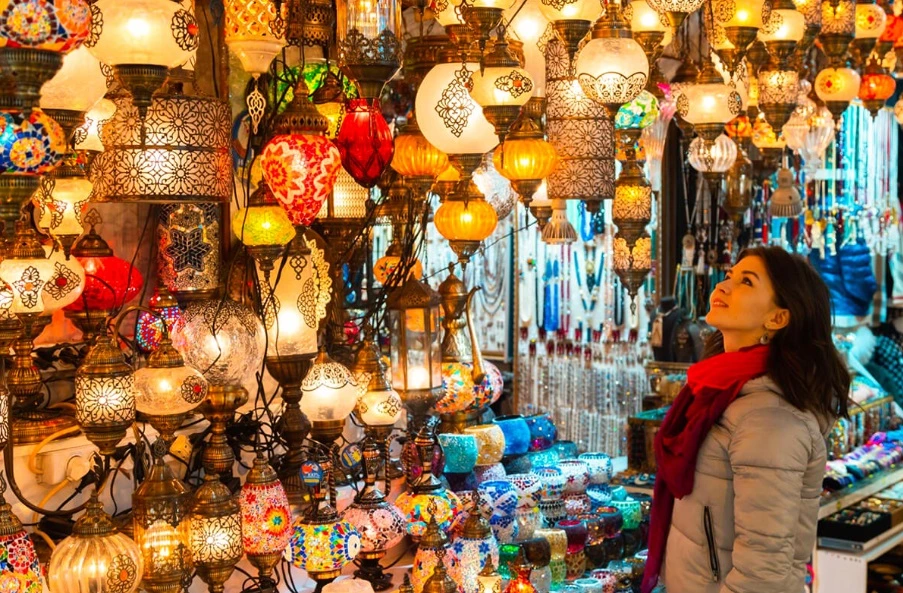
The area contains numerous shops selling jewelry, textiles, decorative objects, spices, perfumes, lamps, artwork, and other products.
Walking through the market is an experience in itself. Narrow lanes, colorful displays, historic architecture, and lively activity make it very different from a modern shopping mall.
Best For
- Traditional souvenirs
- Jewelry
- Small gifts
- Handicrafts
- Spices
- Decorative objects
- Egyptian-inspired artwork
Bargaining is common in many shops, so comparing prices and negotiating politely can be part of the experience.
Giza
The area around the Giza Pyramids contains many souvenir shops and vendors.
It is convenient if you want to purchase small pyramid replicas, statues, postcards, and other Egypt-themed gifts during a sightseeing day.
However, prices can vary considerably. If you have time, compare products before buying.
Luxor
Luxor is an excellent place to shop for souvenirs connected with ancient Egyptian history and traditional crafts.
The city is particularly associated with alabaster workshops and handmade stone products.
You can also find statues, jewelry, textiles, artwork, and other Egypt-inspired souvenirs.
Luxor is especially convenient for travelers visiting the temples and tombs because shopping can easily be incorporated into a sightseeing itinerary.
Aswan
Aswan offers a different shopping atmosphere and is particularly interesting for travelers looking for Nubian-inspired crafts, colorful textiles, spices, baskets, and handmade products.
Nubian markets and local shops can offer distinctive patterns and colors that differ from souvenirs commonly found in Cairo.
Hurghada
Hurghada has many souvenir shops serving beach and resort visitors.
You can find clothing, jewelry, decorative objects, spices, perfumes, beach-related products, and Egyptian-themed gifts.
Because Hurghada attracts international visitors, many shops are accustomed to tourists and may stock souvenirs designed to fit easily into luggage.
Sharm El Sheikh
Sharm El Sheikh also offers a wide selection of tourist-oriented souvenirs.
Shopping areas include markets, independent stores, and resort-area shops.
Popular purchases include jewelry, scarves, perfumes, decorative items, and small Egyptian-themed gifts.
How Much Do Egyptian Souvenirs Cost?
There is no single price for an Egyptian souvenir.
A small magnet or keychain may cost only a few dollars, while handmade jewelry, quality artwork, or large stone pieces can cost considerably more.
Bargaining for Souvenirs in Egypt
Bargaining can be part of shopping in traditional Egyptian markets.
The most important rule is to remain friendly and respectful.
Instead of immediately accepting the first price, ask about the cost, compare similar items, and make a reasonable counteroffer.
Useful Bargaining Tips
- Compare prices at several shops.
- Ask about the material and quality.
- Do not show excessive excitement about an item.
- Negotiate politely.
- Decide your maximum budget before bargaining.
- If the final price is acceptable, complete the purchase without prolonged negotiation.
- Remember that handmade products require time and skill.
Not every store uses bargaining. Established retailers, museums, branded stores, and some specialty shops may have fixed prices.
What to Expect When Shopping for Souvenirs
Shopping in Egypt can be lively and sometimes overwhelming, particularly in busy traditional markets.
You may encounter enthusiastic sellers, crowded streets, music, aromas from food stalls, and many different products displayed close together.
For first-time visitors, the experience can take some getting used to.
However, slowing down and taking your time usually makes shopping more enjoyable.
Do not feel that you have to buy something from every shop. Walk around, compare options, and choose products that genuinely interest you.
Crowds, Distances, and Shopping Conditions
The shopping experience varies greatly depending on the destination.
Cairo's traditional markets can become crowded, particularly during busy periods and evenings. Tourist markets near major attractions can also be active throughout the day.
Luxor and Aswan markets can be easier to explore at a relaxed pace, although busy periods still occur.
If shopping is part of a sightseeing day, allow extra time for browsing. A visit that is planned for 30 minutes can easily become an hour or more.
Distances also matter. If you are staying at a resort in Hurghada or Sharm El Sheikh, shopping areas may be located away from your hotel, so transportation should be considered when planning your day.
Weather and the Best Time for Shopping
Egypt is generally hot and sunny, particularly during the summer months.
If you are visiting outdoor markets, mornings and late afternoons can be more comfortable than the hottest part of the day.
Evenings are often popular for shopping, especially in Cairo and resort destinations.
During winter, daytime temperatures are usually more comfortable, but evenings can become cooler, especially in desert areas and Upper Egypt.
Bring water, wear comfortable shoes, and protect yourself from the sun when visiting outdoor markets.
Practical Travel Tips for Buying Souvenirs
Check Your Luggage Allowance
Before buying large or heavy souvenirs, check your airline's baggage allowance.
Stone statues, ceramics, large lamps, and other heavy products can quickly add weight to your luggage.
Keep Receipts for Valuable Purchases
For jewelry, expensive artwork, or other high-value items, request a receipt.
Documentation can be useful for your records and may be important when traveling internationally with valuable goods.
Pack Fragile Items Carefully
Glass, ceramics, stone, and decorative pieces require additional protection.
Ask the seller to wrap fragile items securely and consider placing them in your carry-on luggage when airline rules permit.
Compare Before You Buy
Even if you like the first item you see, check several stores when possible.
You may find a similar product at a different price or discover a better design.
Be Careful With Ancient Artifacts
Never purchase an item presented as a genuine ancient artifact unless it is legally documented and sold through an authorized channel.
For most travelers, modern replicas and contemporary handicrafts are safer, simpler, and more practical souvenirs.
Consider Your Destination's Customs Rules
Before buying food, plants, animal products, antiques, or other regulated goods, check the customs rules of the country you are returning to.
Real Traveler Insights
“One of our travelers mentioned that choosing several small souvenirs was easier than buying one large decorative piece because everything fit comfortably into their luggage.”
Visitors often say that the most memorable shopping experiences are not necessarily the most expensive ones. A personalized cartouche, handmade scarf, or small piece of local artwork can carry more emotional value because it reminds them of a particular moment during their trip.
Another common observation is that shopping becomes much easier once travelers stop trying to visit every store and instead focus on a few items they genuinely want.
How to Choose the Best Egyptian Souvenir
The best souvenir depends on the person receiving it.
For children, small statues, miniature pyramids, magnets, and colorful objects can work well.
For family members, scarves, cotton products, jewelry, perfumes, or decorative pieces may be more suitable.
For someone interested in history, Egyptian-inspired artwork, cartouches, and carefully selected replicas can make meaningful gifts.
For yourself, consider buying something that reminds you of a particular destination. A stone craft from Luxor or a Nubian-inspired textile from Aswan can help connect the souvenir to your actual travel experience.
A Simple Egypt Souvenir Shopping Plan
If you want to shop without spending too much time, consider dividing your purchases by destination.
Cairo
Look for jewelry, traditional market crafts, papyrus-style artwork, perfumes, and small gifts.
Giza
Choose simple pyramid and Sphinx replicas, postcards, and small Egypt-themed souvenirs.
Luxor
Consider alabaster, ancient Egyptian-inspired artwork, statues, and locally produced crafts.
Aswan
Look for Nubian-inspired textiles, baskets, spices, and colorful handmade products.
Hurghada and Sharm El Sheikh
Explore resort-area shops for clothing, jewelry, perfumes, decorative pieces, and compact gifts.
This approach allows you to buy souvenirs gradually rather than carrying everything during the final days of your trip.
FAQ About Egypt Souvenirs
What are the most popular souvenirs from Egypt?
Popular choices include papyrus-style artwork, Egyptian-inspired jewelry, cartouches, scarves, cotton products, perfume oils, alabaster crafts, miniature pyramids, statues, spices, and traditional handicrafts.
How much money should I budget for souvenirs in Egypt?
It depends on what you want to buy. Budget travelers can find small gifts for a few dollars, while travelers interested in handmade jewelry, artwork, or larger crafts may spend significantly more.
Can I bargain for souvenirs in Egypt?
Yes, bargaining is common in many traditional markets and independent souvenir shops. However, some stores have fixed prices, so always check before negotiating.
Where is the best place to buy souvenirs in Cairo?
Khan El Khalili is one of the most famous traditional shopping areas in Cairo and offers a wide range of souvenirs and handicrafts.
Are Egyptian souvenirs easy to pack?
Many are. Magnets, scarves, jewelry, small statues, and lightweight artwork are particularly convenient. Larger stone, glass, and ceramic pieces require more planning.
Is papyrus a good souvenir?
Yes. Papyrus-style artwork can be a memorable souvenir, especially for travelers interested in ancient Egyptian history. Ask about the material and production method before buying.
Should I buy Egyptian cotton?
Egyptian cotton products can be useful souvenirs, particularly clothing, towels, scarves, and bedding. Check product quality and labeling carefully.
Can I take spices and food home from Egypt?
Possibly, but regulations differ by destination. Always check the customs and import rules of your home country before purchasing food products.
Are ancient Egyptian artifacts legal to buy?
Travelers should be extremely cautious. Do not purchase objects presented as genuine ancient artifacts without proper legal documentation and authorization. Modern replicas are a safer choice for ordinary souvenir shopping.
What is the best souvenir for someone who loves ancient Egypt?
A personalized cartouche, high-quality Egyptian-inspired artwork, a well-made replica, or a small historical-themed craft can be a meaningful choice.
Final Thoughts on Egypt Souvenirs
Shopping for Egypt souvenirs can become one of the most enjoyable parts of an Egyptian holiday. From colorful markets in Cairo to handmade crafts in Luxor and distinctive products in Aswan, each destination offers different opportunities to find something memorable.
The key is to shop patiently, compare prices, consider quality, and choose items that genuinely connect with your experience. You do not need to spend a lot of money to take home something meaningful.
Whether you are searching for a small gift, a personalized piece of jewelry, traditional textiles, artwork, or a handcrafted reminder of ancient Egypt, the country's markets offer plenty of choices.
If you want to combine souvenir shopping with Egypt's famous historical attractions, Flying Carpet Tours can help you plan a comfortable itinerary that includes Cairo, Giza, Luxor, Aswan, and other destinations. Explore Egypt Classic Tours, discover its culture, and leave with memories that last far beyond the souvenirs in your suitcase.