
My First Morning on the Reef: A Traveler's Story
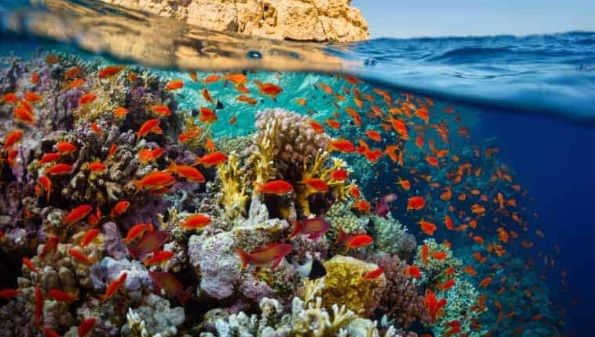
I still remember the moment my head slipped below the surface. For a few seconds there was nothing but the sound of my own breathing, and then the reef appeared below me like a city waking up. Tiny orange fish hovered above branching corals in clouds. A turtle glided past without a care in the world. Sunlight cut through the water in long golden beams and lit up colors I had never seen outside a photograph.
I had come to Egypt expecting pyramids and temples, and I found them. But it was the Red Sea that stayed with me long after I flew home. The water was warm, the visibility was endless, and the reef started just a few steps from the beach. I was not an expert diver. I was simply a curious traveler with a rented mask, a nervous grin and a guide who promised I would not regret getting in.
He was right. Within ten minutes I had forgotten about my nerves. Within an hour I was already planning my next trip. If you have ever wondered whether the hype about Egypt's coral reefs is real, this guide is for you. We will walk through the best locations, the top dive sites, and the practical details that make the difference between a good trip and a great one.
What Are Coral Reefs, and Why Is Egypt Famous for Them?
Coral reefs are underwater ecosystems built by tiny animals called coral polyps. Over thousands of years, these polyps form hard skeletons that grow into the reefs we see today, creating shelter for a huge share of ocean life. Although reefs cover a very small part of the seafloor, they support a remarkable variety of fish, turtles, rays, sharks and invertebrates.
Egypt is famous for its reefs because the Red Sea offers an unusual combination of conditions: warm, clear water, dramatic drop-offs close to shore, and a very high level of marine biodiversity. The Egyptian coastline runs for roughly 1,900 kilometers along the Red Sea, the Gulf of Suez and the Gulf of Aqaba, and much of it is fringed with living reef. Scientists have recorded well over 1,000 species of fish and more than 200 species of hard and soft coral in these waters.
Here is the light hook: in Egypt you can often step off a beach, swim twenty meters, and find yourself above a wall of coral that drops into deep blue. Few places on Earth make the underwater world this easy to reach.
Quick Facts: Diving and Snorkeling Egypt's Coral Reefs
- Location: The Red Sea coast and the Sinai Peninsula, including Sharm El Sheikh, Dahab, Hurghada, Safaga, Marsa Alam and the southern deep-water reefs.
- Opening hours: The reefs are always there, but dive centers and boat trips usually run from early morning to late afternoon. Most day trips leave between 7:00 and 9:00 and return by mid-afternoon. National park sites such as Ras Mohammed operate in daylight hours.
- Typical prices: A shore snorkeling session is often inexpensive, while a boat snorkeling day trip commonly costs roughly 30 to 60 USD. A discover scuba experience for beginners is often around 50 to 90 USD, a guided certified dive day with two dives roughly 60 to 110 USD, and a week on a liveaboard boat anywhere from about 800 to 2,000 USD or more. Prices change by season and operator, so always confirm before booking.
- Duration: A snorkeling trip takes half a day to a full day. A typical dive day includes two or three dives. Liveaboards run from 4 to 8 days.
- Best time to visit: Diving is possible all year. March to May and September to November offer comfortable air and water temperatures. October to December is popular for pelagic sharks in the south, and the summer months bring very warm water and calm seas.
- Water temperature: Around 22 to 24 degrees Celsius in winter and up to 28 to 30 degrees in late summer.
- Visibility: Commonly 20 to 40 meters, and sometimes more.
- Nearest airports: Sharm El Sheikh (SSH), Hurghada (HRG) and Marsa Alam (RMF).
A Short History of Egypt's Reefs and Diving
The Red Sea is one of the youngest and most unusual seas on the planet. It formed as the African and Arabian plates slowly pulled apart, and its coral reefs have been growing for many thousands of years. Because the sea is narrow, warm and salty, its corals evolved to handle conditions that would stress reefs elsewhere. Researchers have noted that corals in the northern Red Sea and the Gulf of Aqaba show unusual tolerance to rising temperatures, which is one reason this region is closely studied by marine scientists today.
The modern story of diving here began in the middle of the twentieth century. The famous ocean explorer Jacques Cousteau carried out expeditions in the Red Sea in the 1950s and helped introduce the world to its beauty. In the decades that followed, small dive camps appeared along the Sinai coast, and divers began to talk about walls, canyons and schools of fish that seemed almost unreal.
Conservation became a priority as tourism grew. Ras Mohammed, at the southern tip of the Sinai Peninsula, was declared a national park in 1983 and became the first protected area of its kind in Egypt. Today there are many protected sites along the coast, and strict rules protect the coral, including bans on touching, collecting or anchoring on reefs. Local dive centers and environmental groups also run mooring programs and clean-up days to keep the reefs healthy.
Wrecks add another layer of history. During the Second World War, ships passing through the Red Sea toward Suez were lost to bombing and accidents, and several of them now rest on the seabed as artificial reefs covered in coral and teeming with fish.
The Best Locations for Coral Reefs in Egypt
Egypt has several diving regions, and each one has its own character. Here is how they compare.
Sharm El Sheikh and Ras Mohammed
Sharm El Sheikh sits at the southern tip of the Sinai Peninsula and is one of the most popular diving hubs in the world. It offers easy access to the reefs of the Tiran Straits, Ras Mohammed National Park and Sinai's dramatic walls. Expect steep drop-offs, strong currents at some sites, and large schools of fish. It is suitable for all levels, from first-time snorkelers to advanced divers, and the airport is close to the resort area.
Dahab
Dahab, on the Gulf of Aqaba about an hour from Sharm El Sheikh by road, has a relaxed, laid-back feel. Its reefs are close to shore, which makes shore diving and snorkeling easy and affordable. It is known as a center for freediving and technical diving, and it is also a great place to learn at a gentle pace. The Blue Hole and the Canyon are its most famous sites.
Hurghada and the Giftun Islands
Hurghada is a large resort city on the western shore of the Red Sea. It is a good base for families and groups, with many day boats heading to the Giftun Islands, Abu Ramada and Carless Reef. It is also the departure point for many liveaboards that head north to the wrecks of Abu Nuhas and the Thistlegorm. The reefs here are colorful and the boat trips are plentiful and good value.
Safaga and El Quseir
South of Hurghada, Safaga and El Quseir offer quieter reefs with fewer boats. Panorama Reef near Safaga is known for pinnacles, sharks and dolphins. These areas suit travelers who want a calmer atmosphere while still enjoying good diving.
Marsa Alam and the Deep South
Marsa Alam is the favorite of many experienced divers. The reefs here are less developed, and the marine life is bigger and wilder. Abu Dabbab Bay is famous for turtles and, with some luck, dugongs. Offshore reefs such as Elphinstone attract oceanic whitetip sharks at certain times of year. Beyond Marsa Alam, remote sites such as Daedalus Reef, the Brothers Islands and St. John's Reef are visited mainly by liveaboard boats and are known for sharks, rays and pristine coral gardens.
Top Dive Sites in Egypt
These are the dive sites that appear again and again on divers' wish lists.
1. Ras Mohammed National Park (Shark and Yolanda Reef)
Often called the crown jewel of Egyptian diving, this site combines a vertical wall with a field of coral pinnacles and the scattered cargo of the Yolanda wreck, which included bathroom fixtures and other household items that now lie across the reef. Expect schools of barracuda, snapper and jacks, and the chance of seeing larger fish. Currents can be strong, so it is best for certified divers with some experience.
2. The Thistlegorm Wreck
A British cargo ship sunk during the Second World War, the Thistlegorm rests at a depth of roughly 30 meters in the Strait of Gubal. Its holds still contain motorcycles, trucks, rifles and other supplies, which makes it one of the most famous wreck dives in the world. It was sunk in October 1941 and rediscovered for recreational divers decades later. The wreck is usually reached on a long boat trip from Sharm El Sheikh or by a liveaboard from Hurghada, and the site is best for experienced divers.
3. The Blue Hole, Dahab
The Blue Hole is a deep sinkhole near the shore of the Gulf of Aqaba with a depth of around 100 meters. It is a beautiful site for snorkelers around the rim and for divers who stay within safe limits. Because of its depth and the nearby arch, it has a serious reputation, so it should be visited only with a qualified guide and only within your training limits.
4. Tiran Straits: Jackson, Woodhouse, Thomas and Gordon Reefs
These four reefs sit in a narrow channel at the entrance to the Gulf of Aqaba. They are known for strong currents that bring rich nutrients, which in turn bring large schools of fish and an exciting drift-diving experience. The reefs are healthy, colorful and perfect for divers who enjoy movement and big marine life.
5. Abu Nuhas Wrecks
Near the entrance to the Gulf of Suez, Abu Nuhas is a reef that has claimed several ships over the years, including the Carnatic, the Chrisoula K, the Giannis D and the Kimon M. Because the wrecks are shallow and close together, divers can see several in one trip. They are covered in soft coral and full of glassfish, making them a favorite among photographers.
6. Elphinstone Reef
A long, narrow reef rising from deep water off Marsa Alam, Elphinstone is known for steep walls, soft coral and encounters with oceanic whitetip sharks. Currents can be strong and the depth can increase quickly, so it is a site for experienced divers who are comfortable with open-water conditions.
7. Abu Dabbab Bay
A calm, sandy bay with a seagrass bed, Abu Dabbab is one of the best places in Egypt to see green turtles up close. It is also well known as a place where dugongs are sometimes spotted. It is perfect for snorkelers and beginner divers who want gentle, accessible marine life.
8. Daedalus Reef and the Brothers Islands
These remote offshore reefs are for liveaboard travelers who want the wildest side of the Red Sea. Hammerhead sharks, thresher sharks and manta rays are possible, and the walls are covered in intensely colorful soft coral. They are a bucket-list trip for experienced divers.
What to Expect When You Visit the Reefs
For snorkelers: Many reefs are shallow enough that you can see everything from the surface. Expect warm water, colorful coral heads and fish of every size. Boats usually provide masks, fins and a short safety briefing, and flotation vests are often available if you are not a confident swimmer.
For beginner divers: A discover scuba experience usually begins with a short lesson in shallow water, followed by a guided dive with an instructor beside you. You will not need to be certified, but you will need to be in good health and answer a simple medical questionnaire.
For certified divers: Most dive centers offer morning and afternoon dives, shore dives, boat dives and night dives. Guides will brief you on the site, the depth, the current and the marine life before you jump in.
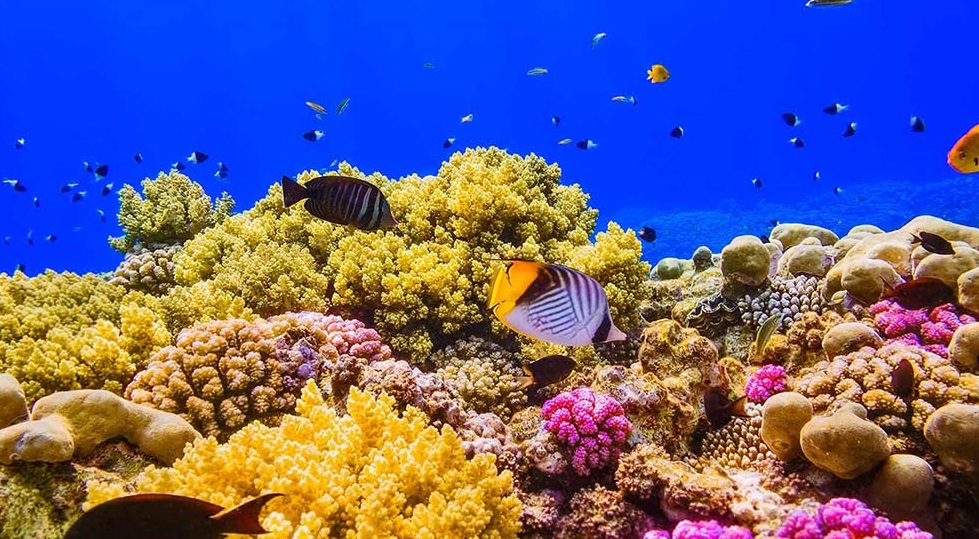
Underwater life: On a typical dive you may see clownfish, parrotfish, angelfish, butterflyfish, lionfish, moray eels, octopus, turtles and rays. At the right sites and at the right times, sharks, dolphins and dugongs are also possible.
On the boat: Expect a friendly crew, a simple lunch, drinks and time to rest between dives. Boats can be lively and social, and many travelers make new friends there.
Facts About the Reefs: Crowds, Distances, Weather and Tips
Crowds: The most popular sites, such as Ras Mohammed and the Giftun Islands, can have many boats at once in peak season, especially around holidays and weekends. If you prefer calm, choose early departures, smaller boats or quieter regions such as Safaga, El Quseir and Marsa Alam.
Distances:
- Sharm El Sheikh to Ras Mohammed is roughly 25 to 30 kilometers, about 30 minutes by road.
- Sharm El Sheikh to Dahab is roughly 90 kilometers, about an hour by road.
- Hurghada to the Giftun Islands is roughly 30 to 60 minutes by boat.
- Marsa Alam to Elphinstone is roughly 30 to 45 minutes by speedboat.
- The Thistlegorm is several hours by boat from Sharm El Sheikh, which is why many people choose a long day trip or a liveaboard.
Weather: Egypt's Red Sea coast is sunny and dry for most of the year. Summer air temperatures can be very hot, often above 35 degrees Celsius, while winter days are mild but evenings can feel cool, especially on the boat. Winds can be strong in some months, particularly in the north, so water can be choppy on certain days.
Marine life seasons: Turtles and reef fish are visible all year. Oceanic whitetip sharks at Elphinstone are most often reported in the cooler months, while hammerheads at Daedalus are more common in spring and summer.
Practical Travel Tips
- Choose a reputable dive center. Look for certified instructors, well-maintained equipment, small group sizes and good safety records.
- Bring your certification card. If you are already certified, carry your card and logbook. Many centers will ask to see them.
- Respect the coral. Do not touch, stand on or collect coral or shells. Even light contact can damage it, and rules against damaging reefs are enforced in marine parks.
- Use reef-friendly sun protection. A long-sleeved rash guard or lycra suit is often better than heavy sunscreen, which can harm the reef.
- Do not fly too soon after diving. Follow the standard safety guidance and wait at least 18 to 24 hours before a flight after diving. Your instructor can advise you.
- Prepare for seasickness. If you are prone to it, take a remedy before the boat leaves and sit near the middle of the boat.
- Pack smart. Bring a towel, a hat, sunglasses, a light jacket for the boat, a reusable water bottle and a small waterproof bag.
- Check the park fees. National park and marine park fees are sometimes charged separately from the trip price, so ask what is included.
- Book ahead in busy seasons. Peak months and holidays fill quickly, especially for liveaboards and popular day trips.
- Buy travel and dive insurance. It gives peace of mind if plans change or you need medical help.
Real Insights from Travelers
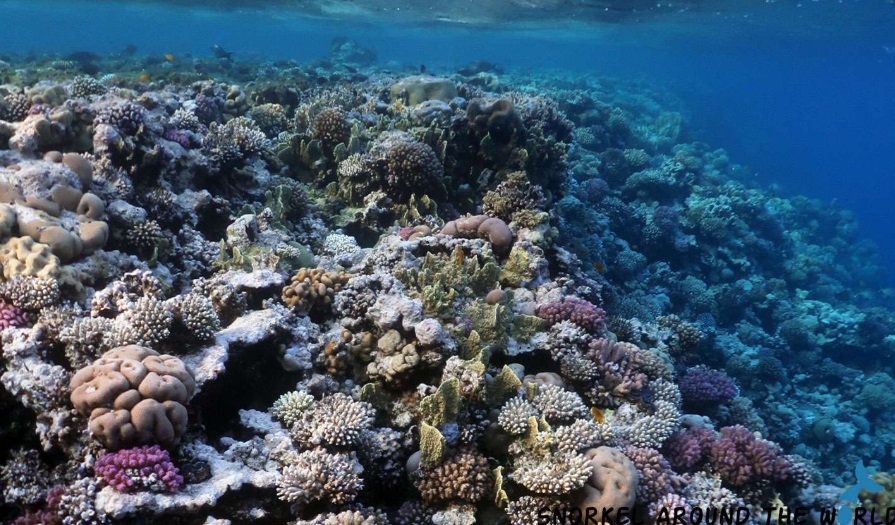
One of our travelers mentioned that the biggest surprise was how close the reef was to the beach. She had expected a long boat ride for every adventure and was delighted to find colorful fish a few meters from the shore.
Visitors often say that their first dive felt much calmer than they had imagined. A common comment is that the warm water and the patient guides made it easy to relax, even for people who were nervous about breathing underwater.
Another traveler told us that he was moved by how quiet the reef felt early in the morning, before the other boats arrived. His advice was simple: take the earliest departure you can, because the light is softer, the water is calmer and the fish seem more active.
Families also tell us that snorkeling is the activity everyone remembers most. Children who had never seen a coral reef before often spend the whole trip pointing at fish and asking for a few more minutes in the water.
Frequently Asked Questions
What is the best place to see coral reefs in Egypt?
There is no single best place, because each region offers something different. Ras Mohammed and the Tiran Straits are excellent for classic reef scenery, Hurghada is great for easy day trips, Dahab is ideal for relaxed shore diving, and Marsa Alam is best for turtles, dugongs and sharks.
When is the best time to dive in Egypt?
You can dive all year round. Spring and autumn are popular for balanced weather and comfortable water, while summer offers the warmest water and winter offers the quietest reefs with cooler air temperatures.
Do I need to be certified to see the reefs?
No. Snorkeling needs no certification, and beginners can try a discover scuba experience with an instructor. Many of the most famous deep sites, however, require an Open Water or Advanced certification.
Are the coral reefs in Egypt healthy?
Many of them are among the healthiest in the world, especially in protected areas and in the northern Red Sea, where corals have shown strong tolerance to warming. Still, heavy tourism and climate pressure are real concerns, so responsible behavior matters.
Is it safe to dive in the Red Sea?
Diving is generally safe when you choose a reputable operator, follow your guide's briefing and stay within your training limits. Strong currents and deep sites require extra caution.
How much does a diving trip cost?
Snorkeling day trips are usually the most affordable, discover scuba costs more, and liveaboards are the most expensive. Prices vary by season and operator, so check the details before you book.
Can I see sharks in Egypt?
Yes, although sightings depend on the site and the season. Oceanic whitetip sharks at Elphinstone and hammerheads at the remote southern reefs are among the best-known encounters. Always follow your guide's instructions when sharks are nearby.
What should I wear and bring?
Bring swimwear, a rash guard, a towel, a hat and reef-friendly sun protection. Wetsuits are usually available to rent, and a light jacket is helpful for the boat ride back.
Ready to Meet the Reefs?
Egypt's coral reefs are more than a holiday activity. They are a reminder of how beautiful and fragile the ocean can be, and for many travelers, they become the highlight of the entire trip. Whether you want a gentle first snorkel, a wreck dive in history's footsteps or a liveaboard week among sharks, the Red Sea has a place for you.
If you would like help planning your adventure, we would be happy to guide you. Visit our website at Egypt Tour Packages to explore our tours, dive packages and travel tips, and let us help you build a trip you will remember for years.