
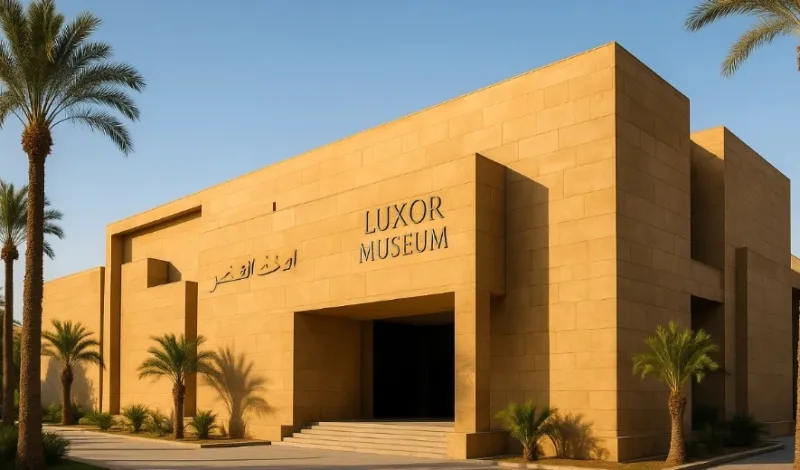
Luxor Museum: History, What to See, Tickets & Opening Hours
A Traveler’s First Impression of Luxor Museum
“I had already spent the morning walking through ancient temples, but when I entered Luxor Museum, the experience suddenly became quieter. After the bright Egyptian sunshine outside, the cool galleries felt peaceful. I remember standing in front of the statues of ancient kings and realizing that many of these objects had been discovered only a short distance away. Instead of seeing ancient Egypt as a distant story, the museum made Luxor feel like a living archaeological landscape.”
For many travelers, Luxor is all about monumental temples, royal tombs, and the Nile River. Yet there is another place that helps connect all those discoveries together: Luxor Museum. Located along the Nile Corniche on Luxor’s East Bank, the museum presents a carefully selected collection of artifacts discovered in and around ancient Thebes.
Unlike enormous archaeological museums where visitors can feel overwhelmed by hundreds of displays, Luxor Museum offers a more focused experience. Its collection includes royal statues, reliefs, funerary objects, artifacts from Luxor Temple and Karnak, and important pieces connected with some of ancient Egypt’s most famous rulers.
If you are planning a trip to Luxor, this guide explains the museum’s history, what to see, ticket information, opening hours, how much time to allow, practical tips, and what to expect during your visit.
Explore Luxor Museum and the ancient treasures of Thebes with Egypt Classic Tours. Plan your Egypt journey and discover Luxor’s timeless history with us!
What Is Luxor Museum?
Luxor Museum is an archaeological museum located on the East Bank of Luxor, overlooking the Nile. It was officially inaugurated in 1975 and was designed to display important archaeological discoveries from the ancient city of Thebes, the city that occupied the area of modern Luxor.
The museum is particularly interesting because many of the objects displayed inside are connected directly with Luxor and its surrounding archaeological sites. Visitors can see statues, reliefs, royal artifacts, and other objects that help explain the temples and monuments they encounter elsewhere in the city.
The museum covers more than 5,300 square meters and is arranged across two main floors. Its collection contains hundreds of significant objects, including famous pieces from the New Kingdom and artifacts connected with rulers such as Amenhotep III, Akhenaten, Tutankhamun, Ramses II, and other important figures.
For travelers interested in understanding the history behind Luxor’s temples rather than simply photographing them, the museum can be an especially useful stop.
Quick Facts About Luxor Museum
Location
Luxor Museum is located on Corniche El Nile on the East Bank of Luxor, close to Luxor Temple and within easy reach of other major attractions.
Its riverside location makes it convenient to include in an East Bank sightseeing day.
Opening Hours
Luxor Museum currently operates with seasonal visiting sessions. Current 2026 information indicates morning and evening opening periods, with schedules changing between summer, winter, and Ramadan. Current listings report approximately:
- Winter: 9:00 AM–1:00 PM and 5:00 PM–8:00 PM
- Summer: 9:00 AM–12:00 PM and 5:00 PM–7:00 PM
- Ramadan: hours may be adjusted
Because opening times can change, travelers should confirm the current schedule before visiting.
Ticket Prices
Current 2026 visitor information lists approximately:
- Foreign adult: EGP 400
- Foreign student: EGP 200
- Egyptian adult: EGP 30
- Egyptian student: EGP 10
Children under six and certain eligible Egyptian visitors may qualify for free entry. Prices and eligibility can change, so checking the current official ticket information before your visit is recommended.
Recommended Visit Duration
Most travelers can explore the museum in around one to two hours.
Allow closer to two hours if you enjoy reading descriptions, examining the statues carefully, or visiting with an Egyptologist guide.
Best Time to Visit
The best time depends on your itinerary. Early morning is comfortable and usually fits well before visiting other East Bank attractions. The evening session can also be convenient, especially during the hotter months.
For outdoor sightseeing in Luxor, the cooler months from approximately October through April are generally more comfortable, while the museum itself provides an air-conditioned break from the heat.
A Concise History of Luxor Museum
Luxor Museum was officially opened in 1975 as part of an effort to create a modern museum in Luxor where important discoveries from the ancient Theban region could be presented close to their original archaeological context.
This local connection is one of the museum’s most interesting characteristics.
Luxor was once ancient Thebes, one of the most important cities in Egyptian history. During the New Kingdom, particularly, Thebes became a major political and religious center. The temples on the East Bank were connected with religious ceremonies, while the royal burial grounds on the West Bank became the final resting places of pharaohs and members of the royal elite.
As archaeological work continued around Luxor, numerous statues, reliefs, funerary objects, and architectural fragments were uncovered.
The museum was created to provide a home for many of these important discoveries.
Over the years, its collection expanded. One particularly important discovery took place in 1989, when a cache of statues was discovered beneath the courtyard of Amenhotep III at Luxor Temple. These objects became an important part of the museum’s story.
The museum has also developed dedicated displays for royal mummies and artifacts connected with different periods of ancient Egyptian history.
Today, Luxor Museum remains a relatively compact museum compared with the enormous collections found in Cairo, but its carefully selected objects make it an important part of a Luxor sightseeing itinerary.
What to See Inside Luxor Museum
1. The Statues of Amenhotep III
One of the highlights of the museum is its collection of statues connected with Amenhotep III, one of the most powerful rulers of the New Kingdom.
Amenhotep III ruled during a period when Egypt experienced considerable prosperity and artistic development. His reign is associated with major building projects across Egypt, including important monuments at Thebes.
Inside the museum, visitors can admire large-scale statues and representations connected with the king.
The size, craftsmanship, and details of these sculptures provide an excellent introduction to the artistic standards of the New Kingdom.
2. The Sobek and Amenhotep III Statue
One of the museum’s most memorable pieces represents the crocodile god Sobek together with Amenhotep III.
Sobek was associated with the Nile, fertility, military power, and the protection of the king. His crocodile form is immediately recognizable.
The combination of the king and deity provides a fascinating example of how royal authority and religious beliefs were represented together in ancient Egyptian art.
For many visitors, this is one of the statues they remember most after leaving the museum.
3. The Luxor Temple Cache
Another major highlight is the collection associated with the famous cache discovered at Luxor Temple.
The discovery of statues hidden beneath the temple area in 1989 added another fascinating chapter to Luxor’s archaeological history. According to Egypt’s State Information Service, the museum’s renovated Cache Hall was reopened in 2026, with the full group of 26 cache artifacts displayed together in one setting.
Seeing these objects inside the museum gives visitors an opportunity to understand how archaeological discoveries continue to change our knowledge of ancient Egypt.
4. The Royal Mummies
Luxor Museum also has an important collection of royal mummies, including the mummies of Ahmose I and Ramses I. The museum’s collection was expanded with royal mummy displays during renovations in the early 2000s.
Seeing royal mummies can be a powerful experience because it creates a direct connection with individuals who lived thousands of years ago.
It also helps visitors understand ancient Egyptian beliefs about death, preservation, kingship, and the afterlife.
5. Tutankhamun Artifacts
The museum includes several artifacts associated with King Tutankhamun.
Although the famous treasures of Tutankhamun are now associated strongly with Egypt’s larger museum collections, seeing Tutankhamun-related objects in Luxor is especially meaningful because his tomb was discovered in the Valley of the Kings on Luxor’s West Bank.
The museum therefore complements a visit to the Valley of the Kings.
6. Akhenaten and the Talatat Blocks
Another interesting part of the collection relates to Akhenaten, the New Kingdom ruler known for introducing major religious changes during his reign.
The museum displays engraved stone blocks known as talatat. These small blocks were associated with Akhenaten’s building projects and provide insight into a fascinating period of Egyptian history.
Look closely at the details of the reliefs. Even relatively small fragments can reveal information about religious scenes, royal figures, artistic styles, and temple architecture.
7. The Kamose Stela
The museum also contains an important stela associated with King Kamose.
Kamose played a significant role in Egypt’s conflict with the Hyksos, who controlled parts of Egypt before the rise of the New Kingdom.
The inscription provides valuable historical information about this period and helps visitors understand the political developments that eventually contributed to the beginning of the New Kingdom.
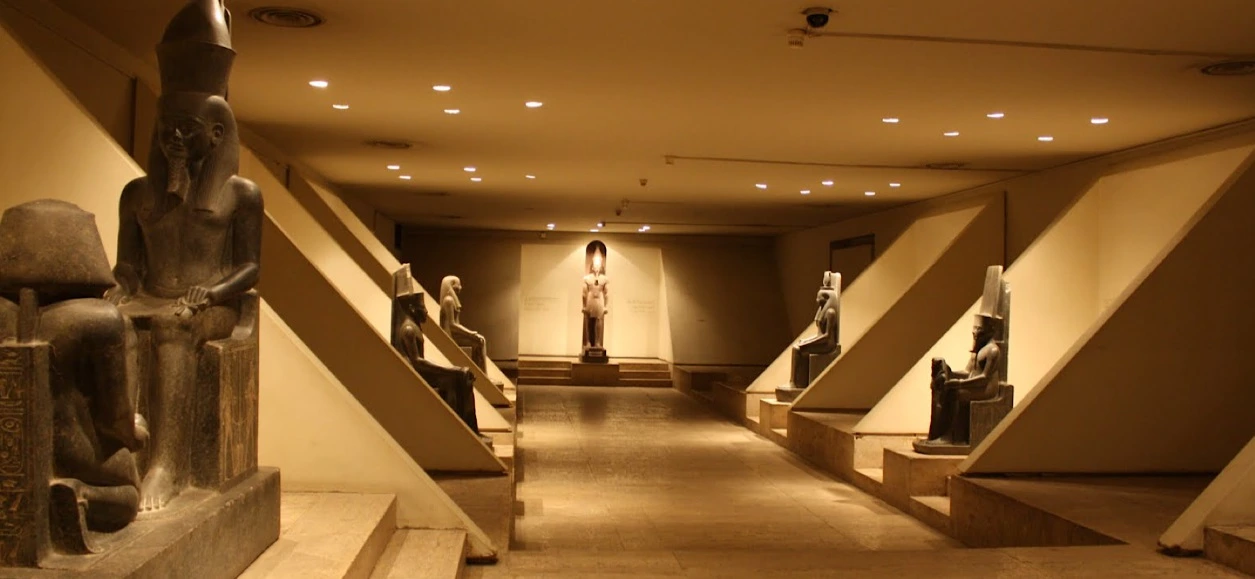
What to Expect During Your Visit
Luxor Museum is different from visiting the major archaeological sites outside.
At Karnak, Luxor Temple, and the Valley of the Kings, you experience ancient architecture in the original landscape. At Luxor Museum, the focus is more intimate.
You walk through quiet galleries surrounded by statues, reliefs, royal objects, and carefully arranged displays.
The museum is relatively compact, so you do not need an entire day to explore it.
Visitors who prefer museums with a manageable collection may appreciate this format. Instead of trying to see thousands of objects, you can spend several minutes examining individual masterpieces.
The indoor environment is also useful during hot weather.
After several hours under the Luxor sun, stepping into an air-conditioned museum can provide a welcome break.
Luxor Museum, Crowds and Atmosphere
Luxor is one of Egypt’s most important tourist destinations, but the museum generally provides a calmer experience than many of the city’s outdoor attractions.
Crowds can vary depending on the season, tour groups, cruise schedules, and time of day.
Morning visits can be comfortable for travelers who prefer a quieter atmosphere. The evening opening period can also work well for visitors who spend the morning exploring temples.
One advantage of a smaller museum is that even when other visitors are present, the experience does not necessarily feel overwhelming.
Visitors often say that the museum’s smaller scale makes it easier to appreciate individual artifacts rather than rushing from one display to another.
One of our travelers mentioned that the museum was particularly enjoyable after visiting Luxor Temple because the displays helped explain some of the statues and historical periods they had encountered outdoors.
Distances and Getting Around
Because Luxor Museum is located on the East Bank, it can be combined easily with other major attractions.
Luxor Museum to Luxor Temple
The museum is a relatively short distance from Luxor Temple and can be reached by road or on foot depending on the weather and your location.
Luxor Museum to Karnak Temple
Karnak is farther north but remains easily accessible by private vehicle or taxi.
Luxor Museum and the West Bank
If you are staying on the West Bank, crossing the Nile is necessary. A private vehicle is usually the most convenient option for combining the museum with Valley of the Kings, Hatshepsut’s Temple, or Medinet Habu.
From Luxor Hotels
Hotels along the East Bank can generally reach the museum quickly by taxi or private transfer.
For travelers staying farther from central Luxor, arranging transportation in advance can save time.
Weather and the Best Season to Visit Luxor Museum
Luxor has a hot desert climate, and outdoor sightseeing can become demanding during summer.
From approximately October through April, temperatures are generally more comfortable for combining museums with archaeological sites.
During summer, early morning and later afternoon are usually more pleasant for outdoor attractions.
Luxor Museum is particularly useful during hot weather because it gives travelers time indoors between outdoor visits.
If your itinerary includes Karnak Temple, Luxor Temple, and the museum on the same day, consider arranging the outdoor sightseeing during the cooler parts of the day and using the museum as a comfortable cultural stop.
Practical Travel Tips for Luxor Museum
Check Opening Hours Before You Go
Luxor Museum has seasonal and split opening sessions, so do not rely on an old itinerary or a previous traveler’s schedule.
Check the latest information before leaving your hotel.
Allow at Least One Hour
A rushed visit may allow you to see the main highlights, but one to two hours is more comfortable.
If you are traveling with a private Egyptologist guide, allow additional time for explanations.
Visit With a Guide
The statues are impressive even without explanations, but a professional Egyptologist can add much more meaning.
A guide can explain the symbolism of the gods, royal titles, inscriptions, artistic styles, and archaeological discoveries.
Bring Water
Keep water with you while exploring Luxor, particularly when walking between attractions.
However, follow museum rules regarding food and drinks inside the galleries.
Wear Comfortable Clothing
Light, breathable clothing and comfortable walking shoes are useful for a full day of sightseeing.
Although the museum itself is indoors, it is often combined with outdoor archaeological sites.
Keep Your Camera Ready
Photography rules can vary, so follow the instructions displayed inside the museum. Avoid flash unless specifically permitted and respect restrictions around individual exhibits.
Combine the Museum With Nearby Attractions
Rather than visiting the museum as an isolated activity, consider including it in a broader Luxor East Bank itinerary.
A typical day might include Karnak Temple in the morning, a lunch break, Luxor Museum in the afternoon, and Luxor Temple later in the day.
A Suggested Luxor Museum Itinerary
For travelers who want to make the most of their time, here is a practical combination:
Morning
Start with Karnak Temple while temperatures are more comfortable.
Spend approximately two to three hours exploring the temple complex and its major halls, columns, statues, and sacred areas.
Lunch
Enjoy lunch at a local restaurant or return to your hotel for a short rest.
Afternoon
Visit Luxor Museum for approximately one to two hours.
Take your time with the royal statues, Luxor Temple cache, royal mummies, and Akhenaten-related displays.
Evening
Continue to Luxor Temple, particularly if the schedule allows an evening visit.
The temple takes on a different atmosphere later in the day when the temperature drops and the monument is illuminated.
This combination gives travelers three different perspectives on ancient Thebes: the enormous religious complex at Karnak, the carefully curated museum collection, and the monumental architecture of Luxor Temple.
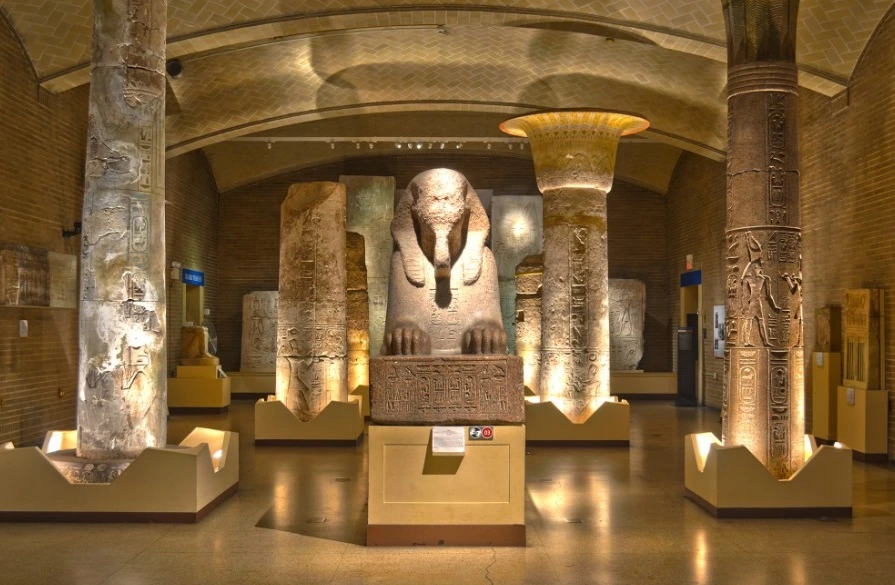
Why Include Luxor Museum in Your Egypt Itinerary?
Luxor is famous for its outdoor monuments, but a museum visit adds an important second layer to the experience.
At the temples, you see columns, pylons, reliefs, statues, and sacred spaces in their original environment.
At Luxor Museum, you can examine selected objects at closer range and learn more about the people, rulers, gods, and historical events connected with those monuments.
The museum also provides a useful transition between different parts of a Luxor itinerary.
For example, after visiting the Valley of the Kings, you may have questions about royal burial practices. After visiting Luxor Temple, you may want to understand more about the statues discovered there.
The museum helps connect those experiences.
FAQ About Luxor Museum
Is Luxor Museum worth visiting?
Yes, particularly for travelers interested in ancient Egyptian history, sculpture, royal mummies, and archaeological discoveries from Luxor and Thebes. Its relatively compact size makes it easy to include in a busy sightseeing itinerary.
How long do you need at Luxor Museum?
Plan for approximately one to two hours. A shorter visit is possible if you only want to see the major highlights, while travelers who enjoy detailed explanations may want longer.
What are the most important things to see at Luxor Museum?
Highlights include statues of Amenhotep III, the Sobek and Amenhotep III statue, the Luxor Temple cache collection, royal mummies, Tutankhamun-related objects, Akhenaten's talatat blocks, and the Kamose Stela.
What are the current Luxor Museum ticket prices?
Current 2026 information lists foreign adult admission at around EGP 400 and foreign student admission at around EGP 200, while Egyptian adult and student tickets are listed at lower rates. Prices can change, so confirm the latest rate before your visit.
What are the opening hours of Luxor Museum?
Current information indicates split morning and evening sessions, with different hours depending on the season and Ramadan. Because the schedule can change, travelers should check the current opening times before visiting.
Where is Luxor Museum located?
It is located on the Nile Corniche on Luxor’s East Bank, making it convenient to combine with Luxor Temple and other East Bank attractions.
Can I visit Luxor Museum and Luxor Temple on the same day?
Yes. The two attractions are close enough to combine comfortably. Many travelers also add Karnak Temple to create a full East Bank sightseeing day.
Is Luxor Museum suitable for families?
Yes. Families interested in Egyptian history can enjoy the museum, although younger children may prefer shorter visits. Keeping the visit around one hour and focusing on the most impressive statues can help maintain their interest.
Is Luxor Museum air-conditioned?
The museum provides an indoor environment that can be a welcome break from Luxor's outdoor heat. This makes it a practical stop during warmer months.
Should I visit Luxor Museum with a guide?
A guide is not essential, but a professional Egyptologist can significantly improve the experience by explaining the stories behind the statues, inscriptions, rulers, and archaeological discoveries.
Final Thoughts: Discover Luxor Beyond the Temples
Luxor Museum may not be the largest museum in Egypt, but its carefully selected collection offers something special: a closer connection with the ancient city of Thebes.
Here, you can stand before royal statues, examine objects discovered around Luxor, see royal mummies, and learn more about the rulers and religious traditions that shaped the city.
For travelers who have already explored Karnak, Luxor Temple, or the Valley of the Kings, the museum can make those experiences feel more connected. Instead of seeing individual monuments as separate attractions, you begin to understand them as parts of one enormous historical landscape.
If you are planning an Egypt holiday and want to experience Luxor with comfortable transportation, professional guides, and a carefully organized itinerary, Flying Carpet Tours can help you create a journey that combines Luxor Museum with the temples, tombs, Nile experiences, and other highlights of Upper Egypt.
Discover ancient Thebes with Egypt Classic Tours at your own pace and make Luxor one of the most memorable chapters of your Egypt adventure with Flying Carpet Tours.