
What to Wear in Egypt — Dress Code, Weather & Packing Tips
A complete guide to clothing, seasonal weather, cultural etiquette, and packing essentials for your Egypt Tour Packages.
“I Wish I Had Packed Differently”: A Traveler’s First Day in Egypt
“When I arrived in Cairo, I was excited to see the pyramids, explore the ancient streets, and experience the atmosphere of Egypt. I had packed stylish outfits, but I quickly realized that comfortable shoes, breathable clothes, and a light scarf were much more useful than I expected. By the time I reached the Giza Plateau, I understood why choosing the right clothes matters so much when traveling through Egypt.”
Exploring Egypt is an unforgettable experience. From the magnificent Giza Pyramids and historic mosques in Cairo to the temples of Luxor, the peaceful Nile River, and the beaches of Hurghada, every destination offers something different. However, the weather, local customs, and type of activity can all influence what you should wear.
What to wear in Egypt depends on the season, the destination, and the activities included in your itinerary. A summer visit to Aswan requires different preparation from a winter trip to Alexandria, while a Nile cruise or Red Sea holiday may call for additional clothing options.
This guide provides everything you need to know about dressing comfortably and respectfully in Egypt, including seasonal recommendations, practical packing advice, dress codes for cultural sites, and useful tips for different types of travelers.
What to Wear in Egypt: Understanding the Dress Code
Egypt welcomes visitors from around the world, and tourists commonly wear modern, casual clothing. There is no single national dress code that requires foreign visitors to dress in a particular traditional style. However, modest clothing is generally appreciated, especially when visiting religious buildings, local neighborhoods, and cultural attractions.
For most sightseeing activities, comfortable trousers, breathable shirts, long skirts, dresses, and supportive walking shoes are excellent choices. You do not need to sacrifice your personal style; instead, choose outfits that suit the weather and the setting.
At beach resorts, clothing is usually more relaxed. Swimwear is appropriate around hotel pools and designated beaches, while more modest clothing is recommended when visiting towns, restaurants, markets, or religious sites.
Understanding these differences will help you feel prepared throughout your trip.
Quick Facts: Egypt Travel Clothing and Dress Code
Before packing your suitcase, here are some useful facts to help you plan your wardrobe.
|
Travel Detail |
Information |
|---|---|
|
Destination |
Egypt, including Cairo, Giza, Luxor, Aswan, Alexandria, and Red Sea resorts |
|
Climate |
Predominantly dry, with hot summers, mild winters in many areas, and cooler evenings |
|
Recommended clothing |
Lightweight, breathable fabrics, comfortable trousers, shirts, modest dresses, and walking shoes |
|
Religious sites |
Modest clothing covering shoulders and knees is generally appropriate; some sites may have additional requirements |
|
Sightseeing duration |
Excursions can last several hours or an entire day, so comfortable clothing and footwear are important |
|
Best sightseeing season |
Autumn, winter, and spring are generally more comfortable for extensive outdoor exploration |
|
Summer travel |
Requires extra sun protection, hydration, and lightweight clothing |
|
Winter travel |
Requires layers, particularly for mornings, evenings, and desert excursions |
|
Clothing prices |
Vary according to the shop, brand, fabric, and location |
|
Attraction opening hours |
Vary by site; check official attraction information before visiting |
The right clothing will depend on the specific places you visit, the time of year, and your planned activities.
Egypt Weather: What to Expect Throughout the Year
Egypt has a predominantly desert climate, but temperatures vary significantly between northern and southern regions. Cairo and Alexandria can experience cooler winter weather, while Luxor and Aswan are generally warmer, particularly during the daytime.
The Red Sea coast often has a warm, sunny climate, making it popular for beach holidays throughout much of the year. Desert areas, on the other hand, may experience considerable temperature changes between daytime and nighttime.
Knowing the seasonal weather is one of the most important steps when deciding what to wear in Egypt.
Summer in Egypt: June to August
Summer is generally the hottest season in Egypt. Cairo, Luxor, and Aswan can experience very high daytime temperatures, especially during July and August. Outdoor archaeological sites may feel particularly hot because of direct sunlight and limited shade.
If you are visiting Egypt during summer, choose lightweight and breathable fabrics such as cotton or linen. Loose-fitting trousers, comfortable shirts, long dresses, and lightweight skirts can help you stay cool.
A wide-brimmed hat, sunglasses, and sunscreen are essential for outdoor sightseeing. Comfortable walking shoes are also important because many attractions require extended walking.
Try to schedule outdoor visits during the morning or later afternoon whenever possible. Midday breaks can make a significant difference during particularly hot days.
Air-conditioned vehicles, hotels, and restaurants may feel much cooler than the outdoor environment, so carrying a thin cardigan or overshirt is useful.
Winter in Egypt: December to February
Winter is a popular season for visiting Egypt because daytime temperatures are often comfortable for sightseeing. However, winter does not mean that the weather is warm everywhere.
Cairo and Alexandria can experience cool mornings, evenings, and occasional chilly days. Luxor and Aswan are often pleasant during the day but can become cold after sunset. Desert destinations may be particularly cool at night.
Pack a combination of long trousers, long-sleeved shirts, sweaters, and a light jacket. Layering allows you to adjust your clothing as the temperature changes.
If your itinerary includes an early-morning airport transfer, a sunrise excursion, or a desert camp, bring an extra warm layer.
Spring in Egypt: March to May
Spring brings gradually warmer temperatures. March can still have comfortable mornings, while April and May become increasingly warm, especially in southern Egypt.
Lightweight clothing, breathable shirts, comfortable trousers, and a cardigan are useful choices. A scarf can provide protection from sun and wind.
Spring is also a good time to prepare for occasional dusty or windy conditions, particularly in desert regions.
Autumn in Egypt: September to November
Autumn is a transitional season. September can still be hot, especially in Luxor and Aswan, while October and November are often more comfortable for sightseeing.
Pack summer clothing alongside a light jacket or cardigan. If you are planning a Nile cruise, a thin layer will be useful during evenings on the deck.
Weather can vary from one year to another, so checking a reliable forecast before departure is always advisable.
What to Wear in Cairo and Giza
Cairo and Giza combine ancient monuments, busy streets, museums, traditional markets, and modern shopping areas. You may experience different cultural settings within a single day.
For general sightseeing, comfortable casual clothing is appropriate. Lightweight trousers, cotton shirts, long skirts, and breathable dresses are practical options.
Visiting the Giza Pyramids
The Giza Plateau is an open archaeological area with direct sunlight, sandy ground, and considerable walking. Depending on your itinerary, you may spend several hours exploring the pyramids, the Sphinx, and nearby viewpoints.
Choose comfortable walking shoes with good support. Lightweight trousers or longer shorts, a breathable shirt, sunglasses, and a hat are useful.
Bring sunscreen and water, and consider carrying a light scarf to protect against dust or wind.
The best outfit for the pyramids is one that allows you to walk easily while protecting you from the sun.
Exploring Cairo’s Historic Areas
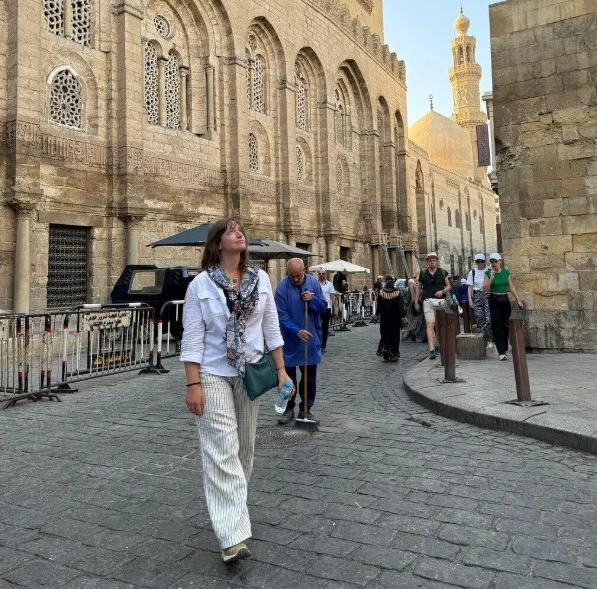
Cairo's historic districts include traditional markets, mosques, churches, and narrow streets. Walking may involve uneven paving and crowded areas.
Comfortable trousers, a loose shirt, and supportive shoes are ideal. A scarf or lightweight shawl is useful when visiting religious buildings.
If you plan to explore Khan El Khalili or other traditional markets, choose practical clothing that allows you to move comfortably through busy streets.
What to Wear When Visiting Religious Sites
Egypt has a rich religious heritage, including historic mosques, Coptic churches, monasteries, and other sacred locations. Visitors should be prepared to dress respectfully when entering these places.
Clothing for Mosques
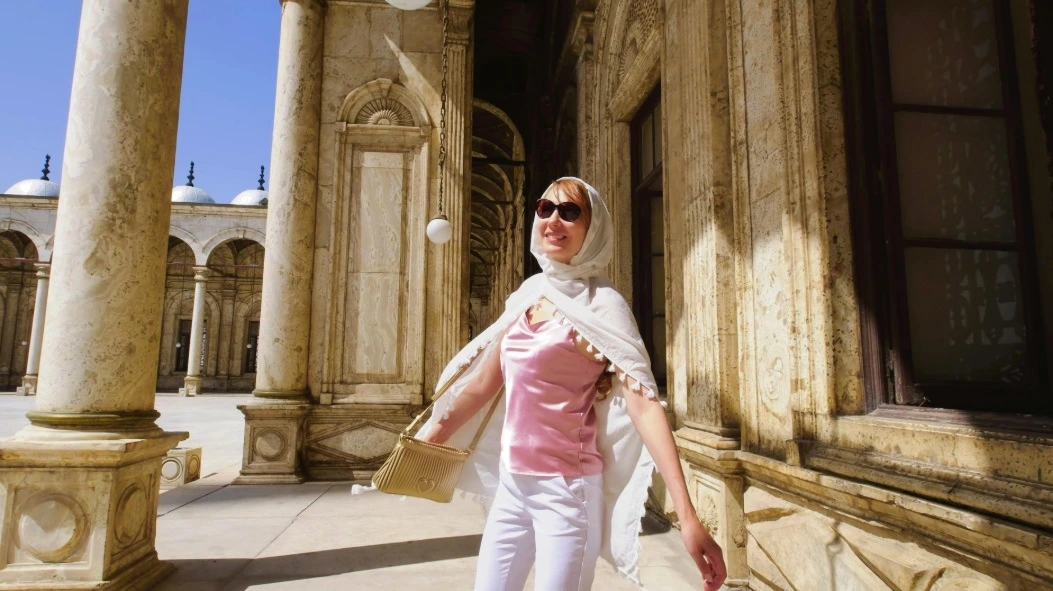
When visiting a mosque, covering the shoulders and knees is generally appropriate. Women may need to cover their hair in certain religious settings, depending on the location and its visitor requirements.
Men should avoid very short shorts and sleeveless tops when visiting religious buildings.
Women can choose loose trousers, a long skirt, or a modest dress with covered shoulders. Carrying a lightweight scarf is a practical precaution.
Clothing for Churches and Monasteries
Churches and monasteries may also expect modest clothing. A shirt with sleeves, trousers, a long skirt, or a modest dress is usually a suitable choice.
Some locations may have additional visitor guidelines. Follow instructions from the staff or religious authorities.
Why Modest Clothing Matters
Modest clothing is a practical way to show respect for local customs and religious traditions. It can also help travelers feel more comfortable when moving between tourist attractions and local communities.
You do not need to wear traditional Egyptian clothing. A simple, comfortable, and respectful outfit is generally sufficient.
What to Wear in Luxor and Aswan
Luxor and Aswan are among Egypt’s most important destinations for ancient history and Nile River experiences. Their southern location means that outdoor sightseeing can be particularly hot during summer.
Visiting Luxor’s Temples
Luxor includes remarkable attractions such as Karnak Temple, Luxor Temple, the Valley of the Kings, and the Temple of Hatshepsut.
Many of these sites involve extensive walking in open areas. Choose breathable clothing, comfortable walking shoes, and sun protection.
Long trousers, a cotton shirt, a hat, and sunglasses are excellent choices for a full day of sightseeing.
Visiting the Valley of the Kings
The Valley of the Kings can involve walking over uneven ground, slopes, and steps. Closed walking shoes or sturdy trainers are particularly useful.
A lightweight long-sleeved shirt can help protect your skin from the sun, while loose trousers allow comfortable movement.
Exploring Aswan
Aswan is known for its Nile scenery, islands, temples, and relaxed atmosphere. Daytime weather can be warm, while evenings may be cooler, especially during winter.
Pack lightweight clothing, comfortable shoes, and a light layer for boat trips or evening walks.
What to Wear on a Nile Cruise
A Nile cruise combines sightseeing, relaxation, and time on the water. Your clothing should suit excursions, casual daytime activities, and evenings onboard.
During the day, breathable shirts, lightweight trousers, comfortable dresses, and walking shoes are ideal for visiting temples and archaeological sites.
If the cruise ship has a swimming pool, pack a swimsuit and suitable cover-up. Swimwear is generally intended for pool and beach areas rather than dining rooms or shared indoor spaces.
For dinner, smart-casual clothing is usually a practical choice. Women may wear a casual dress, trousers with a blouse, or a comfortable skirt. Men may choose trousers with a polo shirt or collared shirt.
Some cruises organize special dinners or evening entertainment. Check the cruise operator’s dress recommendations before departure.
A light jacket or cardigan is useful for evenings spent on the deck.
What to Wear in Hurghada and Sharm El Sheikh
Egypt’s Red Sea resorts are popular for snorkeling, diving, swimming, and relaxing by the sea. Clothing requirements are generally more relaxed at hotels and beaches than in traditional neighborhoods.
Beach and Pool Clothing
Swimsuits, shorts, T-shirts, sandals, and beach cover-ups are suitable for many resort settings.
A cover-up is useful when walking from the pool to the hotel lobby, restaurant, or other shared areas.
If you plan to spend several hours in the sun, consider a long-sleeved rash guard or lightweight swim top for additional protection.
Snorkeling and Diving Clothing
For snorkeling or diving, comfortable swimwear, a rash guard, water shoes when recommended, and sun protection can be useful.
Follow the advice of your boat crew or diving center regarding equipment, sea conditions, and suitable clothing.
Visiting Local Towns
When leaving the resort, choose casual clothing with more coverage. Lightweight trousers, a T-shirt, a long skirt, or a modest dress are practical options.
This approach is suitable for shopping, restaurants, local excursions, and visits to cultural attractions.
What to Wear for Desert Excursions in Egypt
Egypt’s desert landscapes offer unique experiences, from the White Desert and Bahariya Oasis to desert safaris and overnight camping. However, desert travel requires preparation for sunlight, dust, wind, and temperature changes.
Choosing Desert Clothing
Loose, breathable layers are practical for desert excursions. Long trousers and a long-sleeved shirt can help protect your skin from direct sunlight.
A lightweight scarf or neck covering may be useful during windy conditions. Sunglasses and a wide-brimmed hat provide additional protection.
Choose clothes that are comfortable and easy to wash, as dust and sand may be unavoidable.
Desert Nights
Desert temperatures can drop considerably after sunset, particularly during winter. If you are spending the night in a desert camp, pack a warm jacket, sweater, or fleece.
Even during warmer seasons, a light layer can be useful for early-morning departures and evening activities.
Footwear for Desert Travel
Closed shoes or sturdy trainers are generally more practical than open sandals for desert excursions. Secure footwear helps when walking on sand, rocks, and uneven ground.
What Women Should Wear in Egypt
Women visiting Egypt can enjoy a wide variety of comfortable and stylish outfits. There is no requirement for foreign women to dress exactly like local Egyptian women, but modest clothing is often practical for sightseeing.
Loose trousers, long skirts, midi dresses, maxi dresses, breathable shirts, and lightweight cardigans are versatile choices.
A scarf is useful for visits to religious sites and can also provide protection from the sun.
Practical Outfit Ideas for Women
For a day of sightseeing, consider linen trousers, a cotton shirt, comfortable trainers, sunglasses, and a hat.
For cultural visits, a modest midi or maxi dress with covered shoulders and a lightweight scarf is a suitable choice.
For resort days, a swimsuit and cover-up can be combined with sandals, sunglasses, and a light shirt for moving around the hotel.
The best outfit is one that allows comfortable movement and can be adapted to different settings.
What Men Should Wear in Egypt
Men can generally wear casual travel clothing throughout most tourist destinations in Egypt. Lightweight trousers, cotton T-shirts, polo shirts, and comfortable shoes are useful staples.
Shorts may be acceptable in many tourist and resort settings, but longer trousers are a practical choice for religious sites, traditional neighborhoods, and formal venues.
A lightweight long-sleeved shirt is useful for sun protection and can also provide a smart-casual option for restaurants.
Practical Outfit Ideas for Men
For sightseeing, wear a breathable T-shirt, lightweight trousers, supportive trainers, sunglasses, and a hat.
For religious sites, choose long trousers and a shirt or T-shirt with sleeves.
For the beach, swimwear, a rash guard, sandals, and a cover-up are useful.
For evening dinners, a polo shirt or collared shirt with trousers is a practical option.
What Children Should Wear in Egypt
Traveling with children requires extra attention to comfort, sun protection, and spare clothing. Children may become tired or overheated more quickly during long outdoor excursions.
Pack lightweight outfits, breathable shirts, comfortable shorts or trousers, and supportive shoes. A sun hat is useful, and a spare change of clothes can be helpful after a long day of sightseeing.
For younger children, bring extra socks, wipes, water, and a familiar item for comfort.
If your itinerary includes religious sites, pack an outfit with suitable coverage.
Plan regular breaks and avoid unnecessary midday exposure during hot weather.
Essential Egypt Packing List
A carefully prepared suitcase can make your holiday more comfortable and convenient. The following items are useful for most Egypt itineraries.
Clothing Essentials
-
Lightweight cotton or linen shirts.
-
Breathable trousers, long skirts, or comfortable dresses.
-
A light jacket, sweater, or cardigan.
-
Comfortable walking shoes.
-
Sandals or casual evening shoes.
-
A lightweight scarf or shawl.
-
Swimsuit and suitable cover-up.
-
A warm layer for winter or desert nights.
-
Extra clothing for long excursions.
Sun Protection
-
Wide-brimmed hat or cap.
-
Sunglasses.
-
Sunscreen.
-
Lip balm with sun protection.
-
Reusable water bottle.
-
Lightweight day bag.
Travel Essentials
-
Passport and travel documents.
-
Copies of important documents.
-
Travel insurance information.
-
Personal medication and toiletries.
-
Portable charger.
-
Hand sanitizer and tissues.
-
Small first-aid supplies.
Practical Travel Tips for Dressing in Egypt
1. Choose Breathable Fabrics
Cotton and linen are useful for warm weather because they are lightweight and comfortable. Loose-fitting clothing also allows better airflow than tight garments.
2. Wear Comfortable Shoes
Many attractions involve long walks, uneven ground, sand, stairs, or stone pathways. Break in your shoes before your trip and avoid wearing brand-new footwear on a full-day excursion.
3. Dress in Layers
A light jacket or cardigan can be useful in air-conditioned vehicles, hotels, and restaurants. Layers are particularly valuable during winter and on Nile cruises.
4. Carry a Scarf
A scarf can protect against sun and dust, provide warmth in the evening, and offer extra coverage when visiting religious sites.
5. Keep a Modest Outfit Accessible
Even if your itinerary mainly includes archaeological attractions, you may visit a mosque, church, monastery, or traditional neighborhood. Keeping a suitable outfit in your day bag is convenient.
6. Check the Weather Forecast
Weather can vary by region and season. Check the forecast for each destination before deciding what to pack.
7. Protect Yourself from the Sun
Use sunscreen, wear sunglasses, and drink water regularly. A hat and breathable long sleeves can provide additional protection during outdoor activities.
8. Prepare for Dust and Wind
Some desert excursions and archaeological sites can be dusty. Sunglasses, a scarf, and washable clothing are useful.
9. Consider Your Daily Itinerary
Your clothing needs will differ depending on whether you are visiting museums, exploring temples, taking a boat trip, or spending time at a beach resort.
10. Respect Local Customs
Observe the setting around you and choose clothing appropriate for the location. Follow any specific dress requirements provided by religious sites or tour operators.
What Not to Wear in Egypt
Egypt does not have one universal list of prohibited tourist clothing. However, certain outfits may be less practical or culturally appropriate in particular settings.
Very revealing clothing may be unsuitable for religious sites, traditional neighborhoods, and some local communities. Beachwear is best reserved for beaches, pools, and appropriate resort areas.
High heels are also generally impractical for long sightseeing days, particularly at archaeological sites with uneven surfaces.
The purpose of choosing suitable clothing is not to restrict personal style. It is to help you feel comfortable, confident, and prepared for different environments.
Real Traveler Insights: What Visitors Often Say
“One of our travelers mentioned that comfortable walking shoes made a noticeable difference during a full day of exploring Egypt’s ancient monuments.”
Visitors often say that a lightweight scarf is one of the most useful items they bring. It can provide sun protection, extra coverage, or warmth during cooler evenings.
Another common travel insight is the value of carrying a light layer. Air-conditioned vehicles and hotels may feel cool after a hot day outdoors, while evenings beside the Nile can be breezy.
These experiences highlight an important lesson: versatile clothing is often more useful than packing a large number of outfits.
Suggested Clothing for a Seven-Day Egypt Holiday
A week-long Egypt holiday can usually be managed with a small collection of versatile clothes, especially if your accommodation offers laundry services.
Days 1–2: Cairo and Giza
Pack breathable trousers, two or three tops, comfortable walking shoes, a hat, and a light layer for the evening.
Days 3–4: Luxor Sightseeing
Choose lightweight long trousers, a long-sleeved shirt, comfortable trainers, sunglasses, and a scarf.
Days 5–6: Nile Cruise
Bring casual daytime clothing, a swimsuit and cover-up, comfortable shoes, and a smart-casual evening outfit.
Day 7: Additional Sightseeing or Travel
Wear a comfortable travel outfit and keep a spare top and light jacket accessible for transport and airport time.
This is an example packing plan. Adjust it according to the season, your itinerary, and whether you will visit the Red Sea or desert regions.
Frequently Asked Questions About What to Wear in Egypt
Can tourists wear shorts in Egypt?
Yes, shorts are commonly worn in many tourist and resort settings. However, longer shorts or trousers are more suitable for religious sites, traditional neighborhoods, and some formal venues.
Do women have to cover their hair in Egypt?
Women visiting Egypt as tourists generally do not have to cover their hair in everyday public settings. Some religious sites may ask visitors to cover their hair or shoulders. Carrying a lightweight scarf is a practical precaution.
Can I wear sleeveless tops in Egypt?
Sleeveless tops may be comfortable at resorts and in some tourist settings. For city sightseeing, religious buildings, and traditional areas, a shirt with sleeves or a light overshirt is often more suitable.
What shoes should I bring to Egypt?
Comfortable walking shoes or supportive trainers are among the most useful choices. Many archaeological sites involve uneven surfaces, sand, stairs, and extended walking.
What should I wear in Egypt during winter?
Pack layers, including long trousers, long-sleeved shirts, sweaters, and a jacket. Days may be mild or sunny, but mornings and evenings can be cool, particularly in Cairo, Alexandria, and desert areas.
What should I wear in Egypt during summer?
Choose lightweight, breathable clothing, such as cotton or linen shirts, loose trousers, and comfortable dresses. A hat, sunglasses, sunscreen, and water bottle are essential for outdoor sightseeing.
What should I wear to the pyramids?
Wear comfortable, breathable clothing and supportive shoes. A sun hat, sunglasses, sunscreen, and water are useful because much of the Giza Plateau is exposed to the sun.
Is Egypt suitable for a modest fashion wardrobe?
Yes. Loose trousers, maxi skirts, long dresses, cotton shirts, and lightweight layers can create a practical wardrobe for sightseeing, cultural visits, and evenings.
Should I pack warm clothes for a desert trip?
Yes. Desert temperatures can become much cooler after sunset, particularly during winter. Bring a warm layer or jacket for overnight desert camps and early-morning excursions.
Do Nile cruises have a dress code?
Many Nile cruises use a casual or smart-casual dress style, but individual cruise operators may have their own recommendations. Check the information provided with your booking.
Final Thoughts: Enjoy Egypt in Comfort and Style
Knowing what to wear in Egypt makes it easier to enjoy every part of your holiday, from walking around the Giza Pyramids and exploring Luxor’s temples to relaxing on a Nile cruise or spending time beside the Red Sea.
Lightweight clothing, comfortable shoes, modest options for cultural visits, and sun protection are the foundations of a practical packing list. Whether you are visiting in summer, winter, or the transitional seasons, planning your wardrobe around the weather and your itinerary will help you travel with confidence.
Ready to explore Egypt Classic Tours? Let Flying Carpet Tours help you plan a memorable journey with thoughtfully arranged itineraries, professional guides, and comfortable travel experiences. Visit our website to discover Egypt holiday packages and start planning your next adventure.